
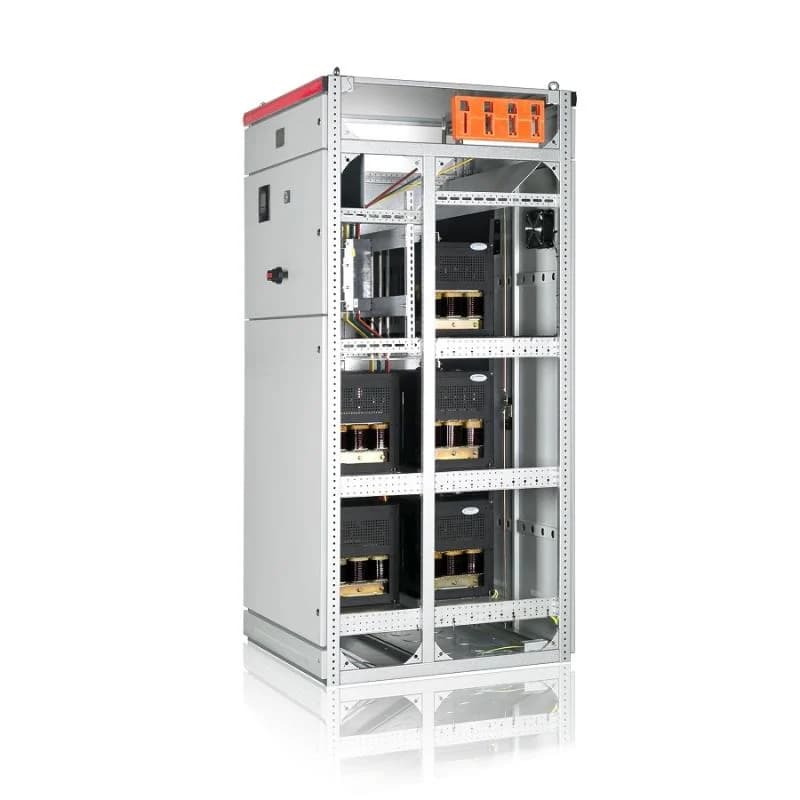
Conventional APFC Panels
Product-type reference. View source and pictured model ↗ The supplied make and configuration are confirmed in your quotation.
What a conventional APFC panel does
A conventional automatic power-factor correction panel uses contactor-switched capacitor stages controlled by an APFC relay. The relay follows the measured electrical demand and calls for a suitable combination of stages. This is a switching system built around a plant load profile; a capacitor total selected from one motor nameplate does not establish the correct assembly.
Tirupati Power Enterprises manufactures this panel type around the agreed specification. The enquiry should identify the application, load measurements, existing correction equipment and the engineering requirements for the assembly. Component makes and final configuration are confirmed in the technical and commercial proposal.
Match switching duty to the application
Contactor switching may suit loads whose reactive demand changes at a rate compatible with the selected switching components. The designer must consider the switching duty, stage discharge requirements and how often stages are likely to operate. A rapidly changing load deserves a comparison with a thyristor-switched design rather than an assumption that either approach is universally better.
For a factory with steady production loads and occasional equipment changes, provide measurements from representative operating periods. The designer can then consider the stage arrangement and controller behaviour against the real demand. Where the duty is uncertain, include the measurement report with the enquiry instead of selecting the architecture by purchase price alone.
Treat harmonics and thermal design as design inputs
Nonlinear equipment such as drives can affect the suitability of a capacitor installation. Supply an available harmonic assessment, the types of connected loads and any history of capacitor or switching failures. Reactor selection, capacitor duty and protection must be assessed together. A detuning percentage should not be copied from an unrelated panel specification.
Enclosure dimensions, ambient conditions, ventilation, cable entry and maintenance access also shape the assembly. Include the installation location and operating environment on the drawings. These requirements affect how the panel can be safely installed and maintained and should be confirmed before fabrication.
Prepare a complete panel quotation
Send the load schedule or measurements, SLD, system voltage and frequency, fault-level information, required enclosure arrangement and approved makes. State whether the project is a new installation, an expansion or a replacement. For a replacement, photographs and existing drawings help identify interfaces, but they do not establish the required new rating on their own.
The proposal should clarify the capacitor-stage arrangement, switching and protection components, controller, drawings, testing scope and delivery requirements. Agree those details before manufacture. Any installation or commissioning responsibilities should be stated in the project scope so that the purchaser, installer and panel team understand the handover.
Before requesting a quotation
- Measured kW, power factor and demand profile
- System voltage, frequency and fault level
- Stage sizes, switching frequency and controller requirements
- Harmonic survey and reactor/capacitor assessment
- SLD, enclosure, ventilation and approved makes
Sources and further reading
Applications
- Plant power-factor correction with assessed switching duty
- Industrial capacitor stage control
- Replacement or expansion of an existing approved APFC scheme
Questions about Conventional APFC Panels
Is a conventional APFC panel always suitable for an industrial load?
Suitability depends on the demand profile, switching duty, harmonics and assembly design. The measured application must be assessed before choosing contactor or thyristor switching.
Can an existing APFC panel be replaced at the same kVAr rating?
The old nameplate is a reference, not a complete new design basis. Provide current load measurements, system details, existing drawings and failure history so the required configuration can be reassessed.
What is needed for a quotation?
Provide the load schedule or measurements, SLD, system voltage and frequency, fault-level information, preferred components, enclosure constraints and delivery location.
Relevant products and guidance
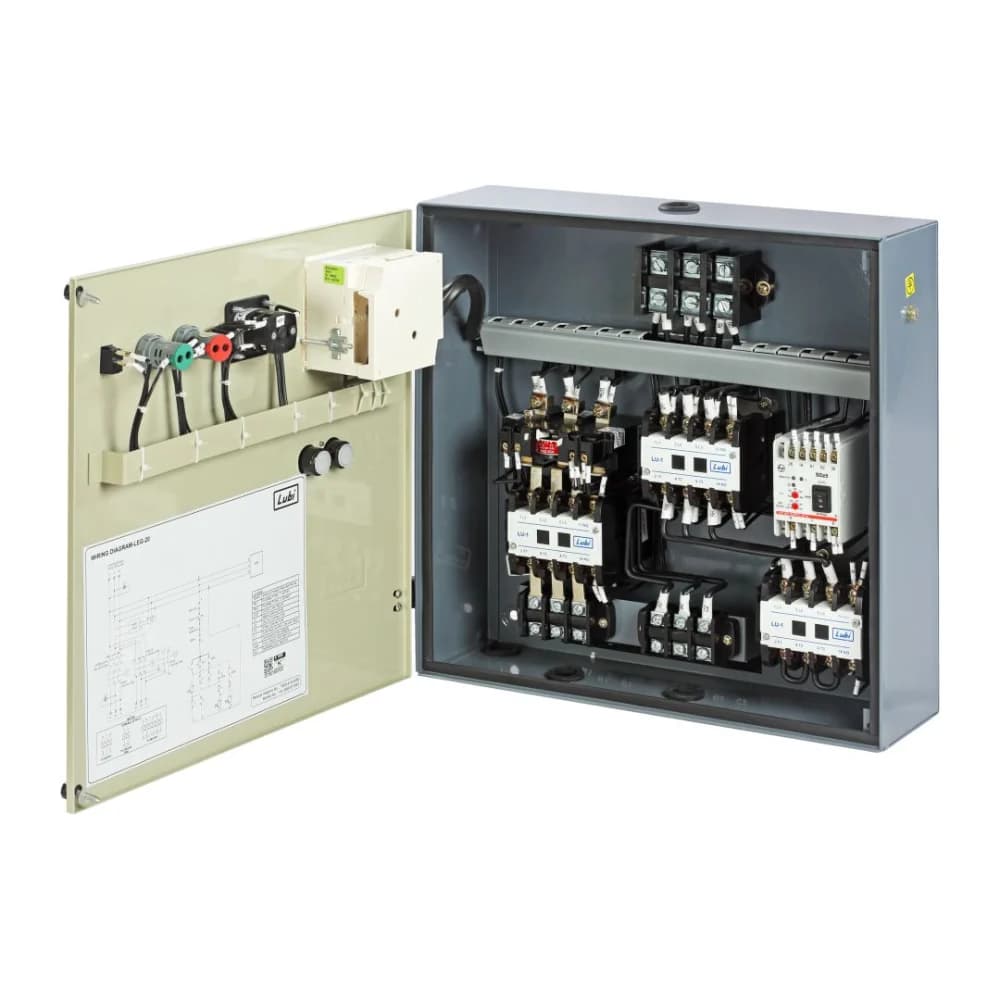
Contactor and thyristor APFC panels suit different load-change patterns. Compare response, switching duty, thermal design and power-quality checks before deciding.
Read articlePower QualityAPFC Panel Working Principle: From Measurement to Capacitor SwitchingAn APFC panel measures the supply and switches capacitor stages as reactive demand changes. Understand the controller, CT location, switching sequence and checks before specifying a panel.
Read articlePower QualityAPFC Panel Sizing: Load, kvar & Switching ChecksSize an APFC bank from measured active power, starting and target power factors, load variation and harmonics. Check the switching arrangement before ordering.
Read articleNeed this for your application?
Share quantity, rating, preferred make and delivery location. The TPE team will respond with pricing and commercial details.