
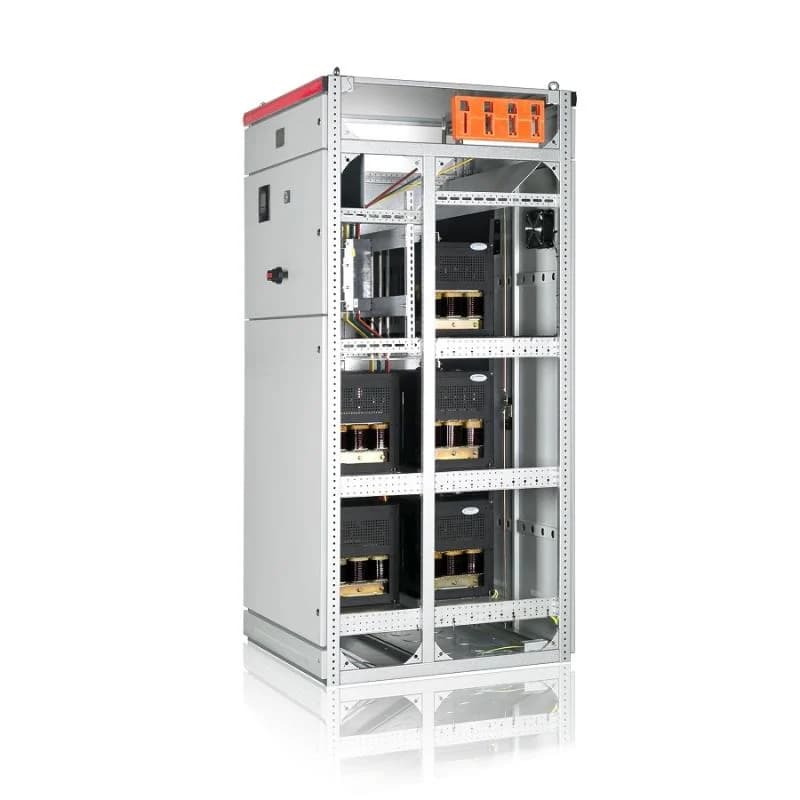
Thyristor-Switched APFC Panels
Product-type reference. View source and pictured model ↗ The supplied make and configuration are confirmed in your quotation.
A switching approach for dynamic demand
A thyristor-switched APFC panel controls capacitor stages through semiconductor switching modules. It is considered when the reactive-power demand changes in a way that makes switching response an important design requirement. The control, switching and capacitor arrangement must be chosen together; the presence of a thyristor module does not by itself establish the performance of the complete panel.
TPE manufactures thyristorised APFC panels to the agreed project requirements. Provide measured load behaviour and the operating process, including any intermittent equipment or frequent changes in demand. This evidence allows the proposed architecture to be compared with a conventional contactor-switched panel for the actual application.
Specify the required duty before choosing components
Describe how the load changes, how frequently correction stages are expected to operate and what the existing installation is doing. Representative measurements are more useful than describing the load as simply heavy or fast. The designer needs the system voltage, frequency, demand range and switching requirements to assess module and stage selection.
For a workshop with intermittent equipment, a stage arrangement that performs well during one operating period may behave differently during another. Provide measurements from the relevant production cycle. The proposal can then address response requirements and stage behaviour without promising a universal switching time or a power-factor outcome independent of plant conditions.
Coordinate thermal and harmonic requirements
Semiconductor switching modules dissipate heat and their ratings depend on the specified operating conditions and mounting arrangement. Panel ventilation, enclosure space, ambient conditions and maintenance access must be considered with the component documentation. Do not substitute a switching module solely by its printed current rating without checking the complete application.
Thyristor switching and harmonic assessment are separate design questions. The need for reactors, capacitor duty, protection and detuning must be evaluated against the electrical system. A thyristor-switched panel is not automatically a harmonic filter. Include drive loads, harmonic measurements and any known capacitor failures in the design information.
Confirm the scope of the manufactured assembly
Send an SLD, measured demand profile, system details, approved makes and enclosure constraints. Identify the project location, cable entry requirements and any existing interfaces. State whether the proposal must include drawings, functional checks, test documentation or installation support, and agree the exact responsibilities with the project team.
Before fabrication, review the selected stage arrangement, switching-module requirements, thermal provisions, protection and controller configuration. Commercial review should include the agreed supply and delivery scope. For a replacement, retain the old drawings and nameplate photographs as reference information while reassessing the current plant requirement.
Before requesting a quotation
- Measured reactive-demand changes and required response
- System voltage, frequency and fault level
- Capacitor stage sizes and switching-module duty
- Heat dissipation, enclosure and ventilation requirements
- Harmonic measurements and capacitor/reactor compatibility
Sources and further reading
Applications
- Industrial power-factor correction for assessed dynamic loads
- Applications requiring a comparison with contactor switching
- Project-specific replacement or upgrade of an APFC scheme
Questions about Thyristor-Switched APFC Panels
Does thyristor switching remove harmonics?
Thyristor switching controls how capacitor stages are switched. Harmonic mitigation, reactor selection and capacitor compatibility require a separate system assessment.
Is a thyristor-switched panel always better than a conventional panel?
The appropriate choice depends on the measured demand changes, switching duty, environment, maintenance needs and project requirements. Compare both approaches against the application.
What measurements should accompany an enquiry?
Send representative demand and power-factor measurements, the operating cycle, system voltage and frequency, harmonic information where available, and the existing SLD or proposed load schedule.
Relevant products and guidance
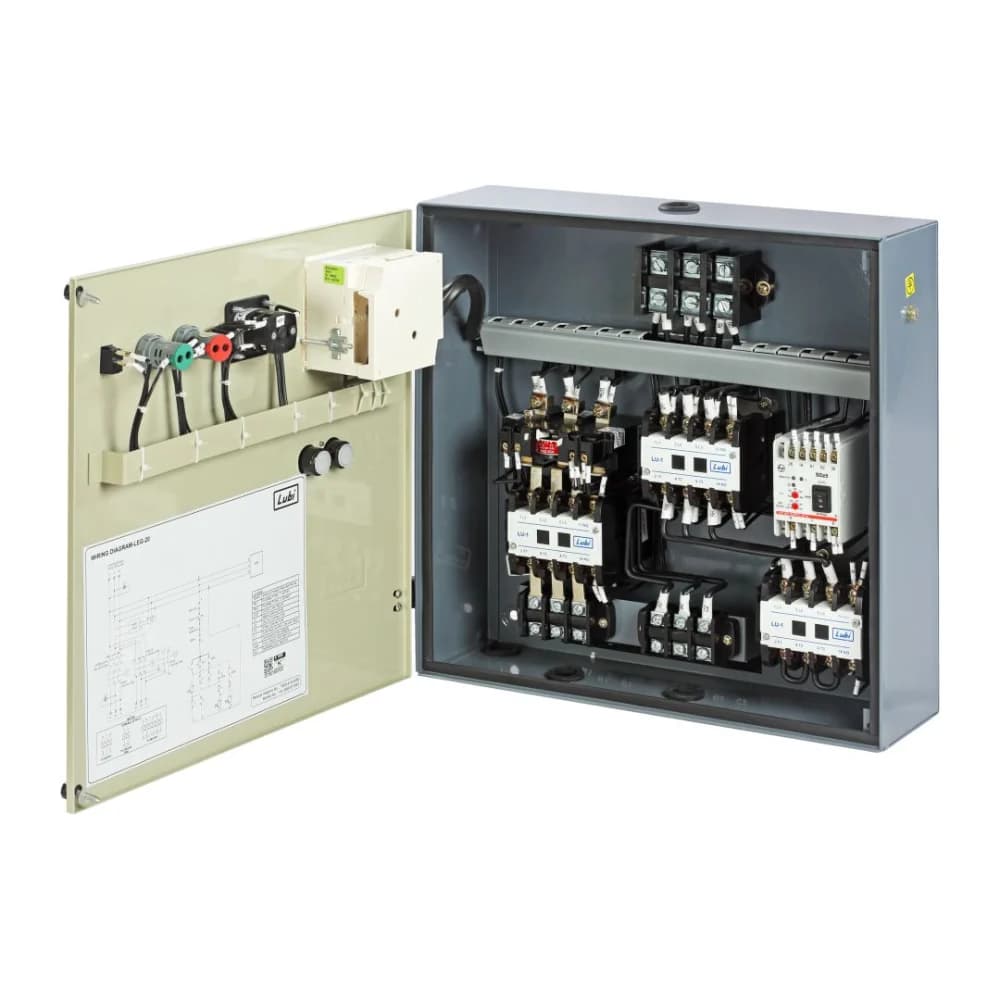
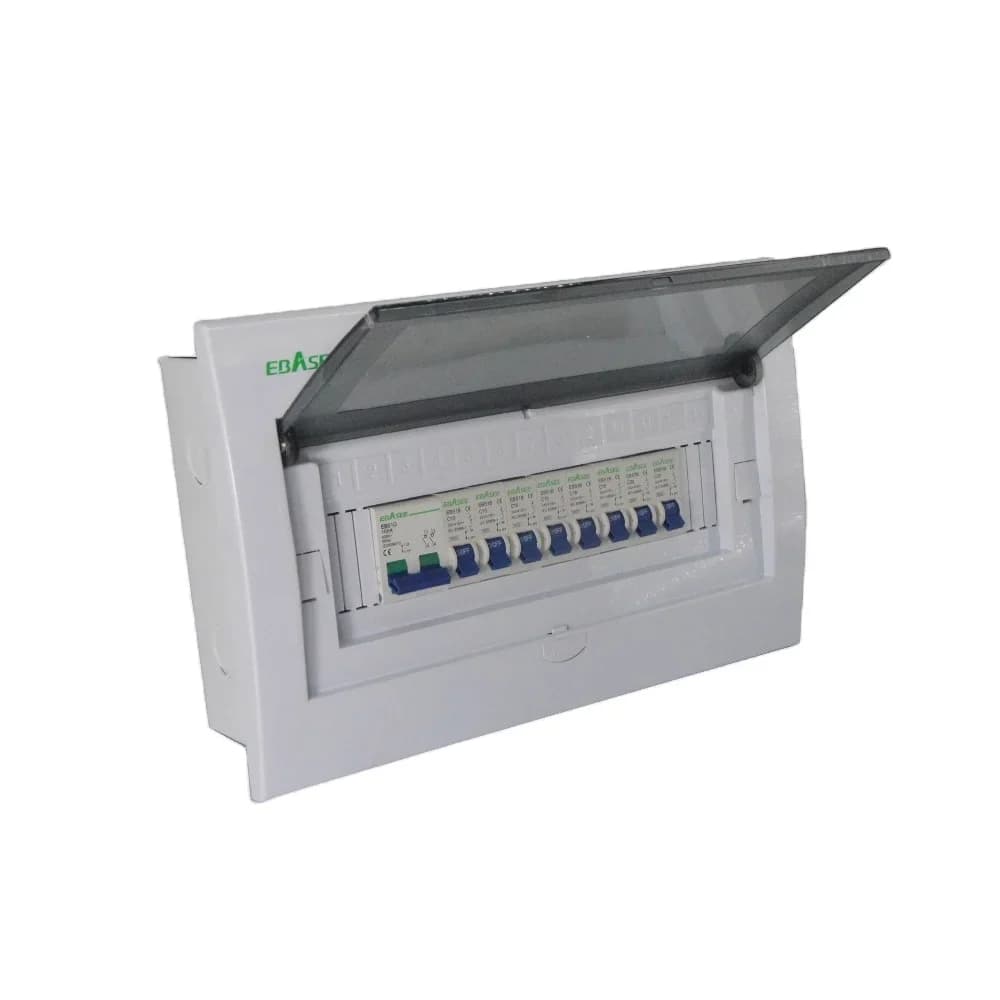
Understand the purpose of detuned reactors, why a harmonic assessment matters, and what a panel manufacturer needs before sizing an APFC bank.
Read articlePower QualityConventional vs Thyristorised APFC Panels: Choosing the Switching MethodContactor and thyristor APFC panels suit different load-change patterns. Compare response, switching duty, thermal design and power-quality checks before deciding.
Read articlePower QualityAPFC Panel Working Principle: From Measurement to Capacitor SwitchingAn APFC panel measures the supply and switches capacitor stages as reactive demand changes. Understand the controller, CT location, switching sequence and checks before specifying a panel.
Read articleNeed this for your application?
Share quantity, rating, preferred make and delivery location. The TPE team will respond with pricing and commercial details.