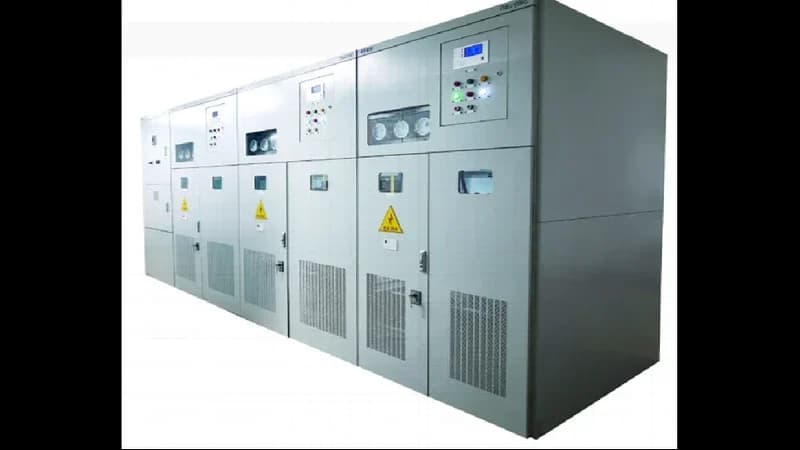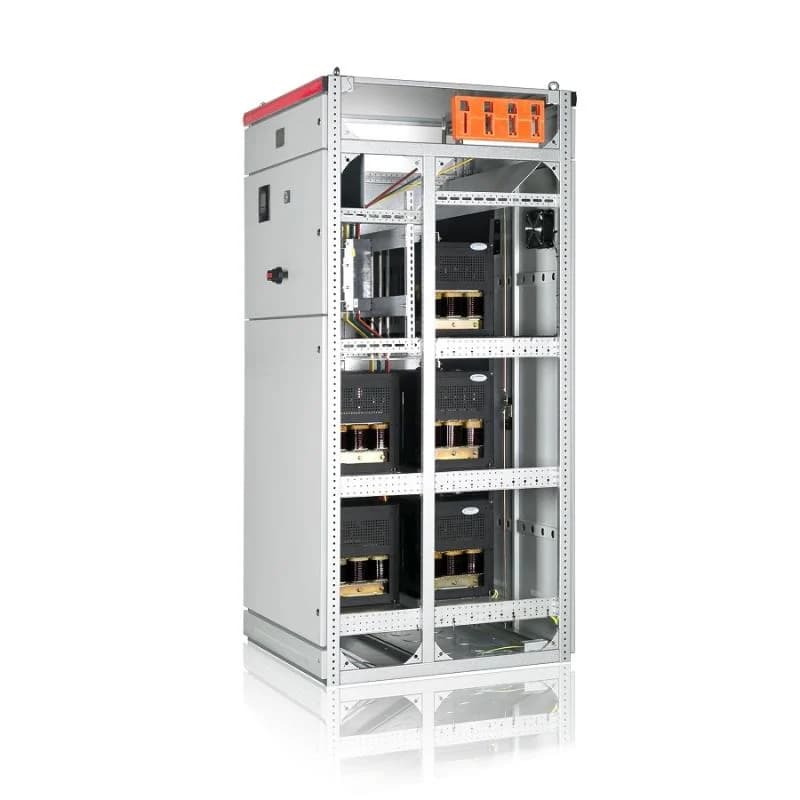
What an APFC panel does
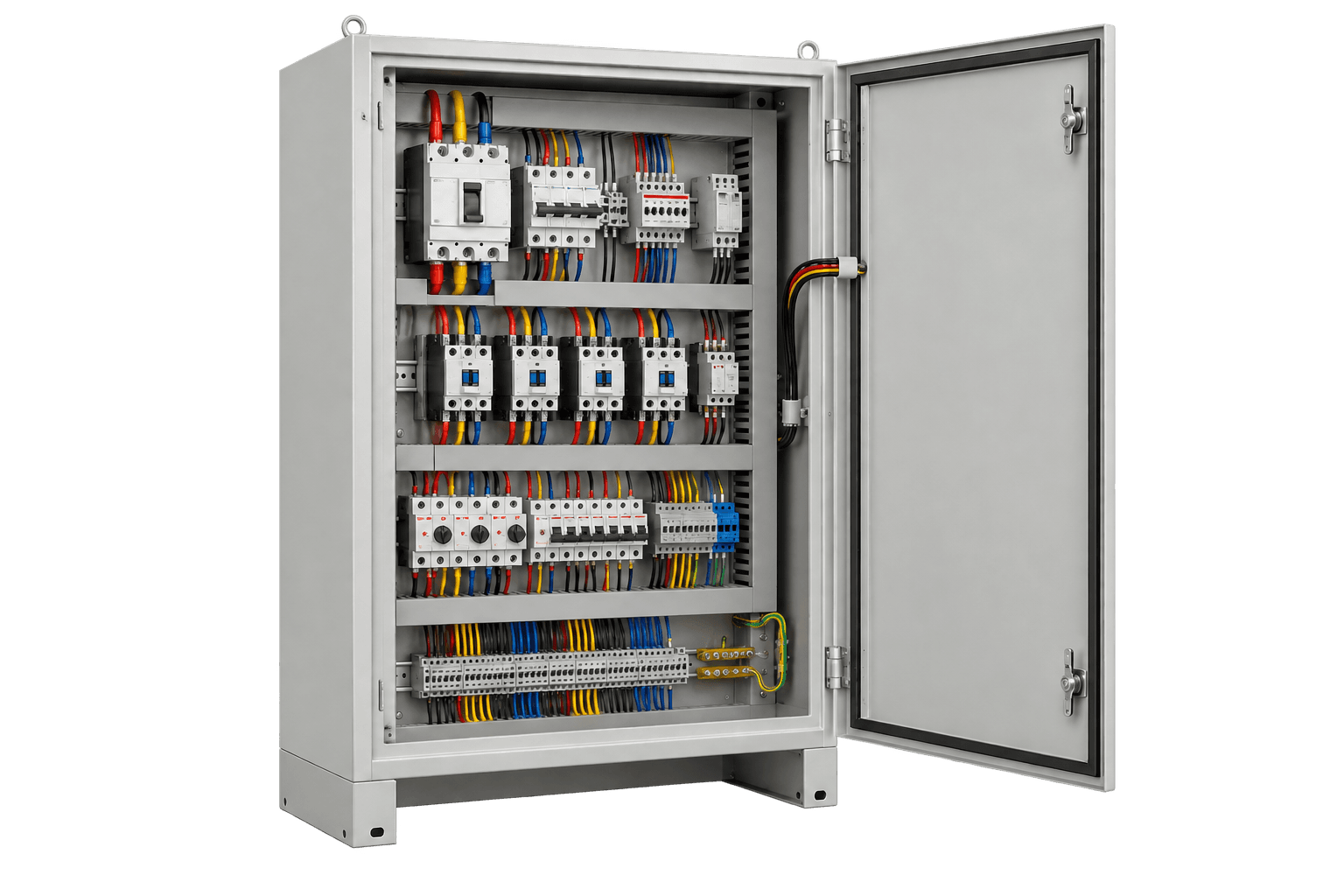
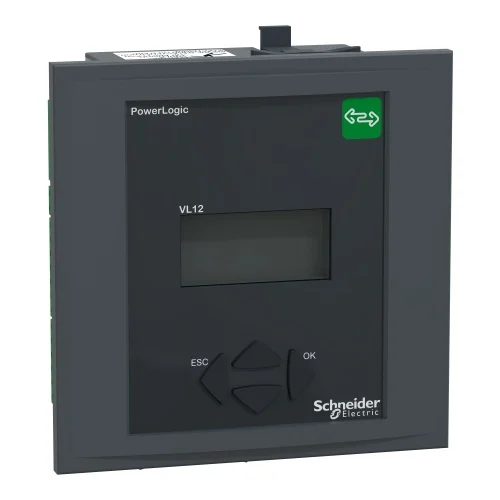
APFC stands for automatic power factor correction. Its controller measures voltage and current, assesses reactive demand and connects or disconnects capacitor stages to move the power factor towards the specified target. As motors and other inductive loads change, the required compensation changes too. An automatic bank follows that demand within its available stage sizes and switching limits.
For an inductive load, capacitors supply part of the reactive power locally. This can reduce the reactive current drawn from the upstream supply. The effect on a bill depends on the applicable tariff and measured operating conditions; installing a bank does not establish a fixed energy saving. The controller also needs to avoid excessive capacitive compensation when the load falls.
How the measurement reaches the controller
A current transformer, or CT, provides the current signal; voltage sensing provides the reference needed to interpret that signal. Their location, phase relationship, polarity and ratio must match the controller configuration and the approved wiring drawing. A plausible number on the display does not prove that these inputs are correct.
In a common arrangement, the controller measures the combined effect of the load and capacitor bank at the point where correction is required. If the CT excludes part of the load or the bank, the controller may see a different electrical system from the one the designer intended. Multiple incomers, a bus coupler, generator supply or embedded generation require an explicit measurement and control scheme.
The capacitor switching cycle
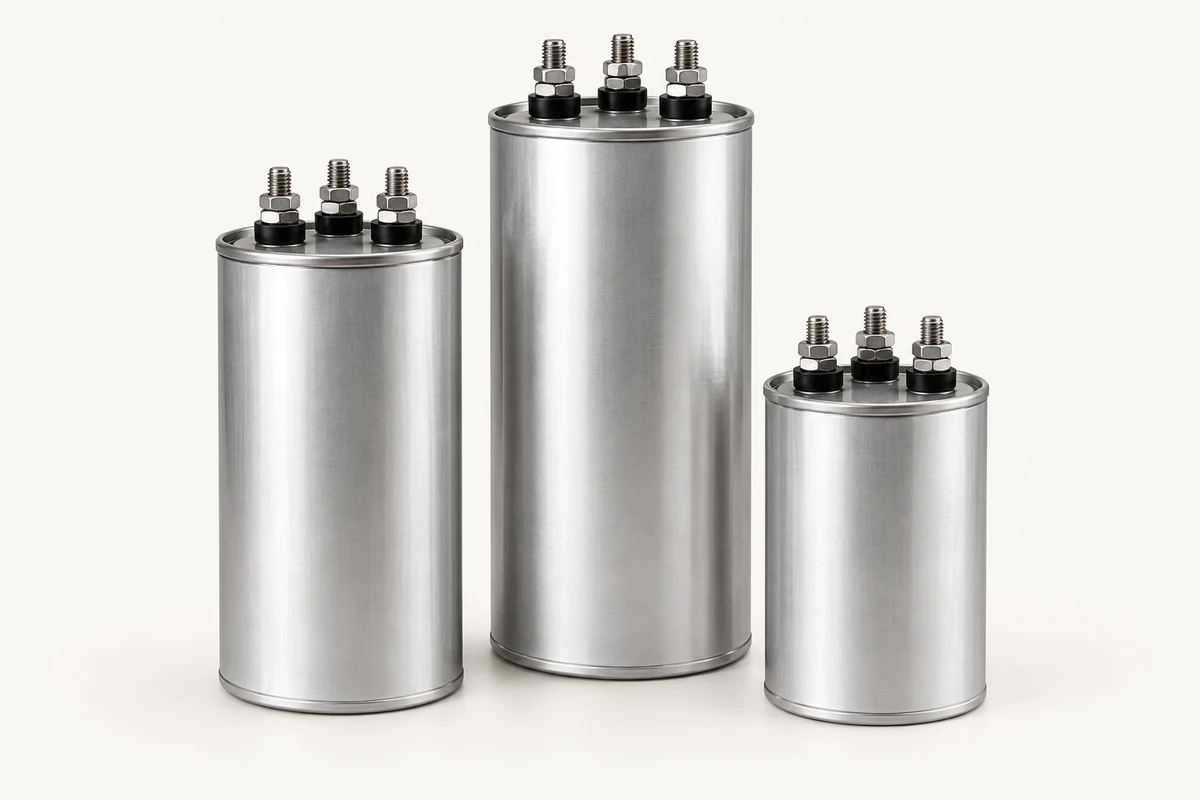
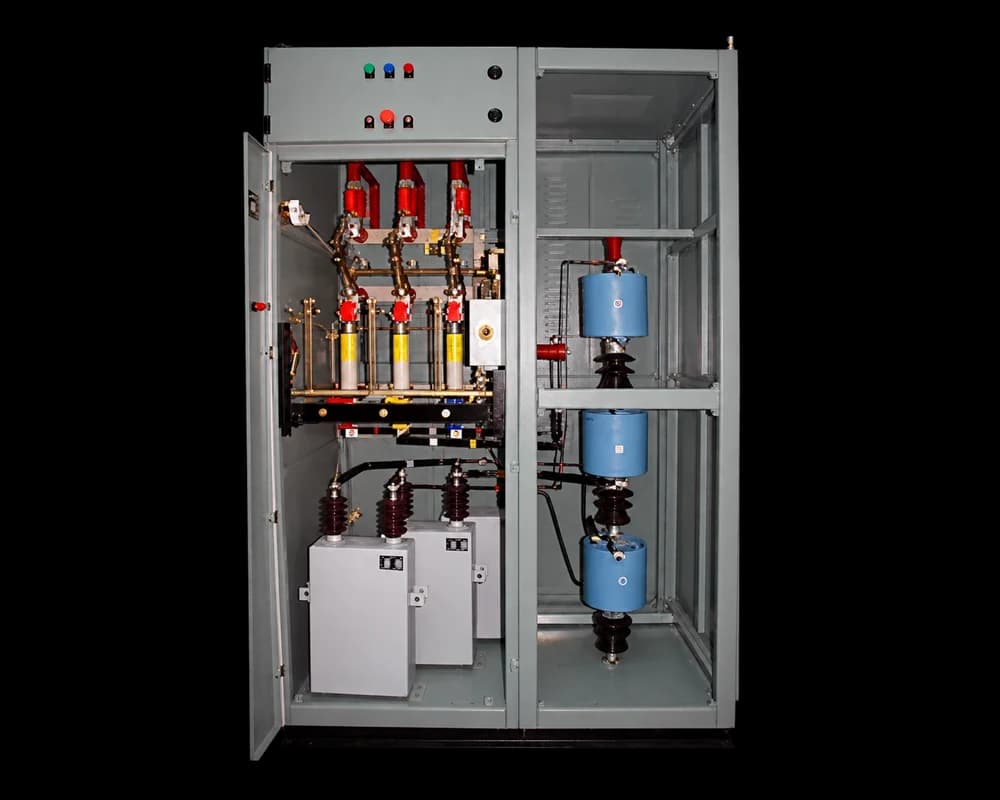
When the controller detects a need for capacitive compensation, it selects available stages according to its programmed strategy. Conventional panels use capacitor-duty contactors; thyristorised panels use electronic switching modules. Each stage has an assigned reactive-power contribution at its rated voltage, along with switching and protection equipment selected for that duty.
After a stage is connected, the controller evaluates the resulting demand and decides whether another stage is needed. When loads stop, stages are removed. Measurement averaging, switching delays and reconnection rules help prevent unnecessary operation. Discharge and safe reconnection requirements depend on the capacitor and switching system; they must come from the selected equipment documentation.
What the controller cannot correct by itself
An APFC controller cannot make an unsuitable capacitor bank compatible with a harmonic-rich network. Drives, rectifiers and other nonlinear loads can introduce harmonic currents. Capacitors can interact with the network impedance and create resonance risks, so a harmonic assessment may lead to a detuned bank or a different power-quality solution.
The displayed power factor also needs interpretation. Displacement power factor relates to the phase relationship of the fundamental voltage and current; total power factor includes distortion effects. A panel chosen solely from a low power-factor reading may leave the main power-quality problem unresolved. Ask the engineer to identify which measurement is driving the specification.
A plant example and a useful quotation brief
Consider a workshop where several motors run during production but only ventilation remains overnight. A fixed capacitor bank selected for daytime demand can leave excessive compensation after the motors stop. An automatic arrangement can remove stages, provided its minimum stage size and control settings suit the overnight load. A load log is more informative than the largest connected motor rating.
Tirupati Power Enterprises lists conventional and thyristorised APFC panels in its panel range. To request a suitable proposal, provide measured demand across operating periods and the intended supply arrangement. Use the separate APFC sizing guide for capacity calculations; the following information helps define how the panel should operate.
Keep the measurement point consistent with the purpose of the correction. A bank intended to compensate one production area and a bank intended to control the site incomer need different boundaries. Mark the controlled load and supply paths on the drawing before choosing controller settings.
- System voltage and frequency, incomer arrangement and the point at which power factor is controlled.
- Load profile, present and required power factor, proposed total kVAr and stage schedule if already engineered.
- Harmonic measurements, existing banks, generator operation and any required detuning assessment.
- CT details, preferred makes, enclosure environment, cable entry and required drawings and test records.
Checks before operation
The project engineer and qualified commissioning personnel should confirm the measurement wiring, stage identification, protective arrangements, ventilation and controller settings against the approved design. Functional checks should demonstrate stage response as demand changes and verify the intended behaviour on each permitted supply source. Factory testing and site commissioning should have separately agreed responsibilities.
Capacitors can retain charge after disconnection. Inspection and maintenance require the isolation, discharge and verification procedure specified for the equipment. Do not use this explanation as a wiring instruction or choose test limits from a generic internet example. Keep the final schematic, settings schedule and capacitor documentation with the panel.
Related products and buying guidance
Conventional versus thyristorised APFC
Sources and further reading
Frequently asked questions
Does an APFC panel generate electricity?
No. Capacitors exchange reactive energy with the circuit and provide local compensation. They do not supply the real power needed to run the load.
Why might the APFC controller show an unexpected power factor?
Possible causes include measurement location, CT polarity or ratio, voltage-reference wiring, operating mode or the load itself. Qualified personnel should check the approved scheme and controller manual before changing settings.
Does every APFC panel need reactors?
No universal rule applies. Harmonic levels, network impedance and resonance risk determine whether a detuned bank or another solution is required.
Specify your requirement
Send the rating, make, quantity and delivery location. Attach the drawing or datasheet where available.
Request a quote