
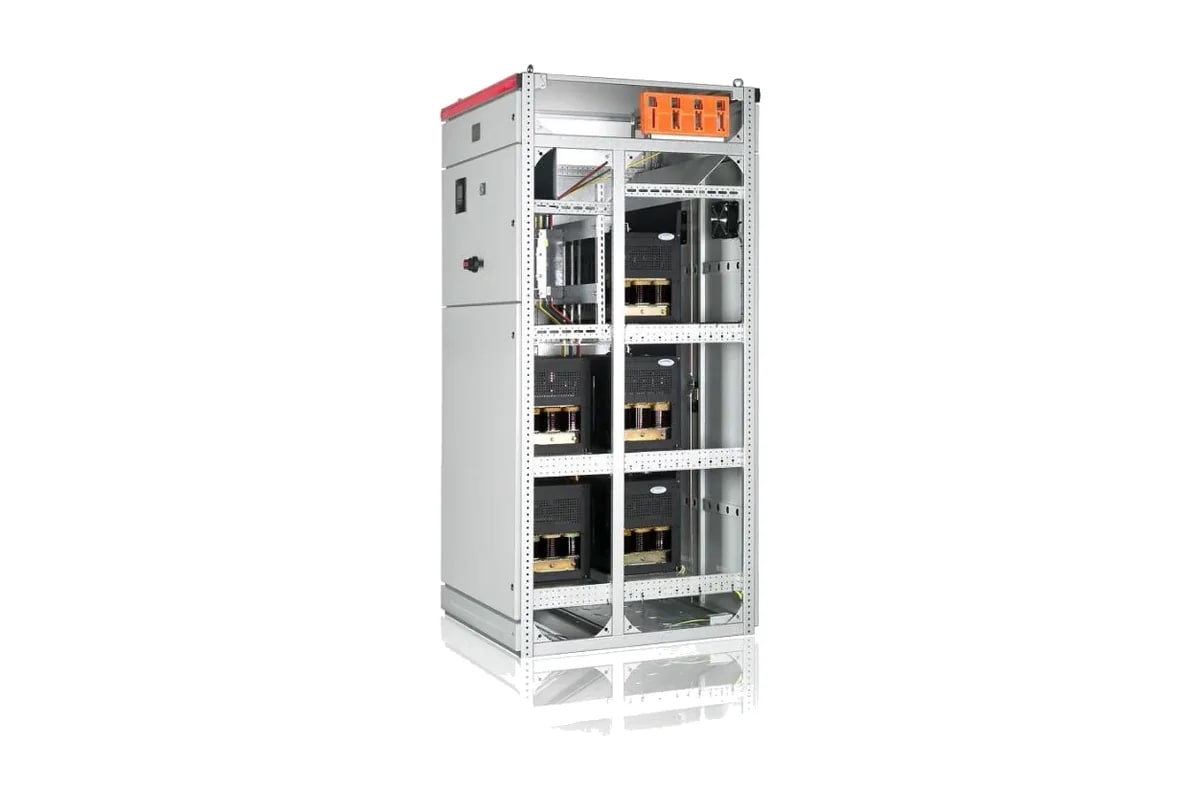
APFC Panel (Thyristorised & Conventional)
APFC panels switch capacitor stages to follow changing reactive-power demand. TPE manufactures conventional and thyristor-switched assemblies; the load profile and harmonic assessment determine the configuration.
Product-type reference. The supplied make and configuration are confirmed in your quotation.
APFC panels manufactured for your plant requirement
Tirupati Power Enterprises manufactures automatic power factor correction (APFC) panels in Kolkata for industrial and project requirements. Share your load profile, present and target power factors, supply details and harmonic information for a proposal. The bank rating, capacitor steps, switching devices, controller and protective arrangement are selected around the assessed duty.
This is the broad APFC buying range. Conventional contactor-switched and thyristor-switched panels have separate pages for their more specific switching requirements. For Kolkata, West Bengal, Odisha, Assam or other India delivery, provide the project location, drawings and expected schedule so the offer can identify manufacture, dispatch and any requested site-work scope.
APFC panel quotation and design inputs
Start an APFC quotation with operating measurements
An APFC panel follows reactive demand by switching capacitor stages. The required bank is not determined reliably from transformer capacity or the largest motor alone. Provide the operating load profile, existing/target power factor and the supply arrangement, including generator or other supply modes.
TPE manufactures custom electrical panels. Component makes, stage configuration, harmonic treatment, enclosure, drawings, tests and handover scope must be stated in the proposal; no fixed savings, stock or price is established by this page.
Give the manufacturer the right design inputs
Input | Why it belongs in the quotation |
|---|---|
Operating measurements | kW/kVA, power factor and demand across load periods |
Supply scheme | Voltage/frequency, incomers, transformer and generator arrangements |
Harmonic assessment | Nonlinear loads and measured/assessed harmonic conditions |
Switching response | Load changes and contactor/thyristor switching duty |
Stages and controller | Target, minimum-load behaviour, CT/measurement arrangement |
Integration | Fault duty, protection, ventilation, enclosure and cable access |
Handover | Approved makes, drawings and required inspection/test records |
Compare like-for-like correction proposals
A conventional contactor-switched bank, a thyristor-switched bank and a detuned solution address different operating constraints. Confirm why the proposed method suits the load and harmonic assessment. The proposal should identify which power-factor measurement and target govern the design, not promise a universal percentage saving.
Complete the RFQ
Attach available load records and the single-line diagram. State the delivery location, panel environment, preferred makes and commissioning/handover responsibilities. Mark missing data for engineering review instead of using an assumed kvar figure.
Related products and buying guidance
APFC measurement and switching guide
Detuned APFC and harmonic checks
Sources and further reading
Schneider Electric — APFC panel operation and configuration
TDK — power factor correction terminology and application checks
Compare conventional, thyristor and detuned APFC arrangements
Switching method and harmonic protection describe different design decisions. A detuned bank uses a coordinated reactor/capacitor arrangement; it is not a third switching technology. The proposed solution should state both how stages switch and how the harmonic environment has been addressed.
Arrangement | When to discuss it | Inputs that decide selection |
|---|---|---|
Contactor-switched APFC | Loads whose changes can be followed by the specified switching/reconnection duty | Load profile, stage sequence, capacitor-duty contactors and discharge/reconnection limits |
Thyristor-switched APFC | Rapid or frequent reactive-demand changes requiring a suitable electronic switching response | Measured load dynamics, switching module/capacitor coordination and thermal duty |
Detuned capacitor bank | A harmonic assessment identifies a need to avoid an unsuitable capacitor/network interaction | Measured distortion, supply impedance, reactor/capacitor ratings and engineering study |
Existing bank extension or replacement | Failed stages, changed loads or a new performance requirement | Existing drawings, component ratings, controller/CT arrangement and investigation findings |
Size APFC kvar from operating data, not transformer size alone
A transformer kVA rating does not tell the panel manufacturer how much reactive correction the plant needs at each operating condition. Record active demand, power factor and existing compensation across representative shifts, including light-load periods. Provide nonlinear-load details and distinguish displacement power factor from total power factor where distortion is significant.
For a sinusoidal, steady-load illustration, capacitor correction can be estimated as Qc = P × [tan(arccos(PF1)) − tan(arccos(PF2))]. A 100 kW load moving from 0.80 to 0.95 gives about 42 kvar before practical stage selection. This is an illustrative calculation, not a recommendation to order a 42 or 50 kvar panel: load variation, harmonics, voltage, existing capacitors and switching constraints still require review.
Ask for the useful correction available at the system voltage. A capacitor’s nameplate kvar and voltage must be interpreted together, particularly in a reactor/capacitor combination. Agree the smallest step and stage sequence so that a bank selected for peak demand does not overcorrect at low load.
APFC specifications and scope to confirm in the offer
Treat these as configuration inputs. Values such as total kvar, stage count, reactor percentage and capacitor voltage must be project-specific, rather than copied from a generic panel specification.
Item | Send with the RFQ | Confirm in the proposal |
|---|---|---|
Electrical system | Voltage, frequency, source/transformer details and SLD | Connection point, protection and rated assembly duty |
Reactive demand | Operating kW/kVA, PF readings and existing bank details | Correction basis, total effective kvar and target |
Capacitor steps | Minimum/maximum demand and rate of load change | Step sizes, stage sequence and switching/reconnection limits |
Controller and CT | Measurement location, CT ratio/polarity information and source changes | Controller functions, sensing arrangement and blocking/interlocks |
Harmonics | VFD/UPS/welder loads, measured distortion and existing failures | Need for a study, detuning or another engineered solution |
Protection and construction | Fault level, capacitor protection requirements, ambient and IP duty | Incomer/stage protection, ventilation and enclosure arrangement |
Commercial scope | Delivery postcode, approved makes, drawings and inspection requirements | BOM, exclusions, documents, freight and site-work boundaries |
Harmonics, generator operation and low-load checks
Capacitors can interact with network inductance and amplify an existing harmonic problem. Do not specify a reactor percentage simply because another plant uses it. Where substantial VFD, UPS, rectifier or welding loads are present, request an assessment based on the actual system and measurements. A detuned bank and an active harmonic filter perform different functions.
Confirm how the controller senses the compensated installation and what changes when sources or bus sections change. Generator operation, minimum load and existing fixed capacitors may require blocking, staged limits or other engineered controls. These requirements belong in the control scheme and should be checked against the equipment manufacturer’s instructions.
For a replacement, supply photographs and nameplate details after an appropriate isolated inspection by competent personnel. Repeated fuse operation, swelling capacitors or reactor overheating needs investigation; increasing capacitor size or replacing a failed part without checking the cause can repeat the problem.
APFC panel price: compare equivalent configurations
APFC panel price depends on effective kvar, step sizes and count, capacitor and switching make, reactor arrangement, controller functions, fault duty, enclosure cooling and the agreed documentation/testing scope. A contactor bank and a thyristor-switched detuned bank are not equivalent offers even if the total kvar looks similar.
Ask for the bill of materials, stage ratings, capacitor/reactor coordination and explicit inclusions. Separate manufacture from freight, installation, power-quality measurement, site testing and commissioning. TPE confirms price, availability, taxes, terms and dispatch timing in the quotation. Bill savings depend on the tariff and actual operating conditions; a universal saving or payback period is not promised.
Prepare your APFC manufacturing enquiry
Attach the latest SLD, recent electricity-bill/demand information and load measurements where available. A bill can help start the conversation but may not capture short load changes or the harmonic conditions needed for final selection.
- Project/delivery postcode, quantity, required date and whether this is new work or a replacement.
- Present and target power factor, operating kW/kVA and representative light/normal/peak load periods.
- Supply voltage/frequency, transformer/DG sources and existing capacitor-bank details.
- Harmonic measurements or list of VFD, UPS, welding and other nonlinear loads.
- Preferred controller/component makes, switching duty, enclosure/IP requirement and ambient.
- Available space, cable entry, CT/measurement information and required drawings or inspection.
- Who supplies engineering inputs, installation, commissioning and performance measurement.
Checks before you approve the order
Stage switching
The APFC controller calls capacitor stages in and out as reactive demand changes. Controller settings must respect switching-device duty and capacitor discharge/reconnection requirements.
Controller versus complete panel
A power-factor controller is one component. A complete APFC panel also needs coordinated capacitors, switching, protection, conductors, enclosure and any required reactors.
Evidence for acceptance
Agree the applicable verification, control-function checks and documents in the order. Request commissioning records where commissioning is part of the quoted scope.
Buying guidance and technical references
Related products and buying guidance
Conventional contactor-switched APFC panels
Thyristor-switched APFC panels
LT distribution panel manufacturing
Compare APFC switching methods
Detuned APFC panels and harmonics
Sources and further reading
Schneider Electric Electrical Installation Guide: power factor correction
Questions about APFC Panel (Thyristorised & Conventional)
Can an APFC panel be sized from the transformer kVA alone?
Not reliably. Use operating load/power-factor measurements, target, supply arrangement, switching duty and harmonic assessment to develop the correction requirement.
Does every APFC panel produce the same bill saving?
No. Any commercial effect depends on the tariff and measured operating conditions. The panel must first meet the correct technical duty.
Do you manufacture conventional and thyristor APFC panels?
TPE manufactures custom electrical panels in Kolkata, including conventional and thyristorised APFC requirements. The appropriate switching method and component arrangement are confirmed from the assessed application and project offer.
How is APFC panel kvar calculated?
For a steady sinusoidal load, an initial estimate uses measured kW and the difference between the tangents of the present and target power-factor angles. Final bank and stage selection also needs load variation, system voltage, harmonics and existing compensation.
Is a detuned APFC panel the same as a thyristor panel?
No. Detuning concerns the coordinated reactor/capacitor arrangement for the assessed harmonic environment. Thyristor switching concerns how capacitor stages are switched. A design can need both, depending on the application.
What changes the price of an APFC panel?
Effective kvar, stage count, switching method, capacitor/reactor selection, controller, protection, enclosure and scope all affect price. Compare the same technical schedule and separate transport and site work from manufacture.
Can an APFC bank operate on a generator supply?
The source and operating limits need engineering review. State generator ratings, load profile and switching arrangements so that any required blocking, limits or interlocks are included in the agreed control scheme.
Can you deliver APFC panels to Odisha or Assam?
TPE handles India-wide requirements from Kolkata. Share the delivery postcode, drawings and schedule for confirmation of dispatch, freight and any separately requested site-service scope.
Relevant products and guidance
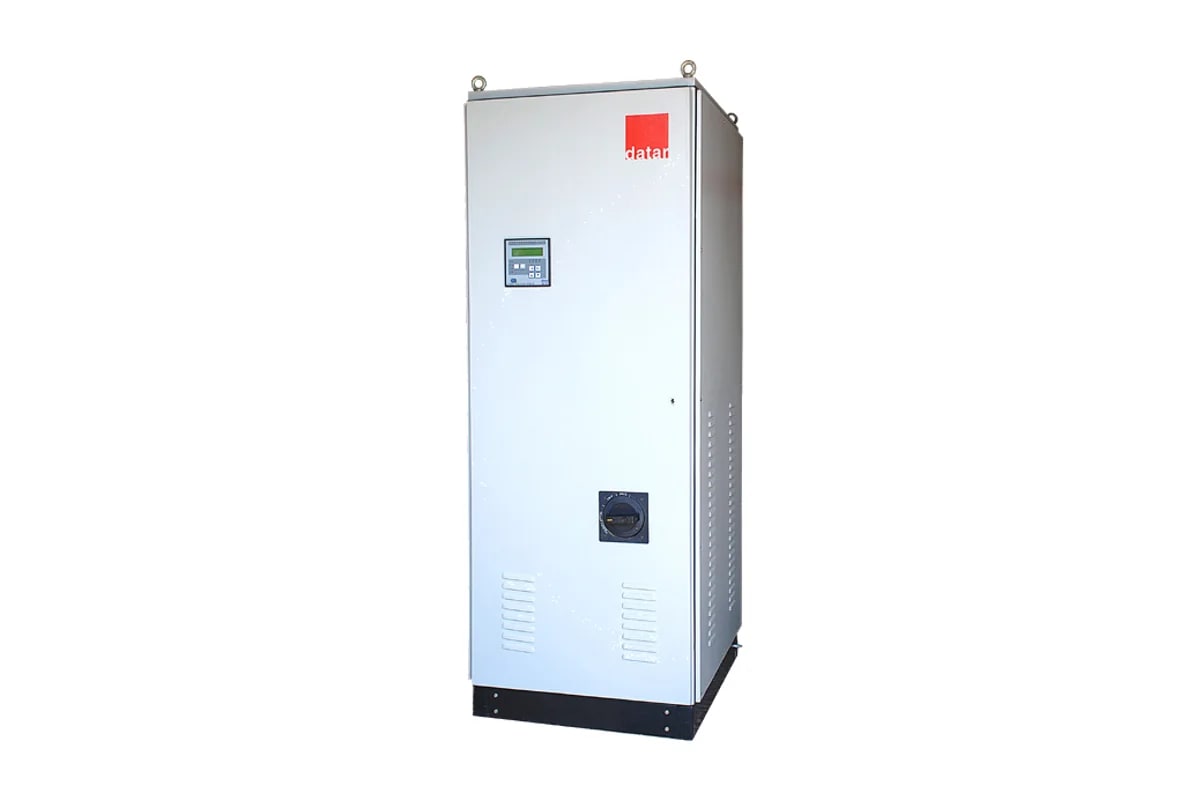
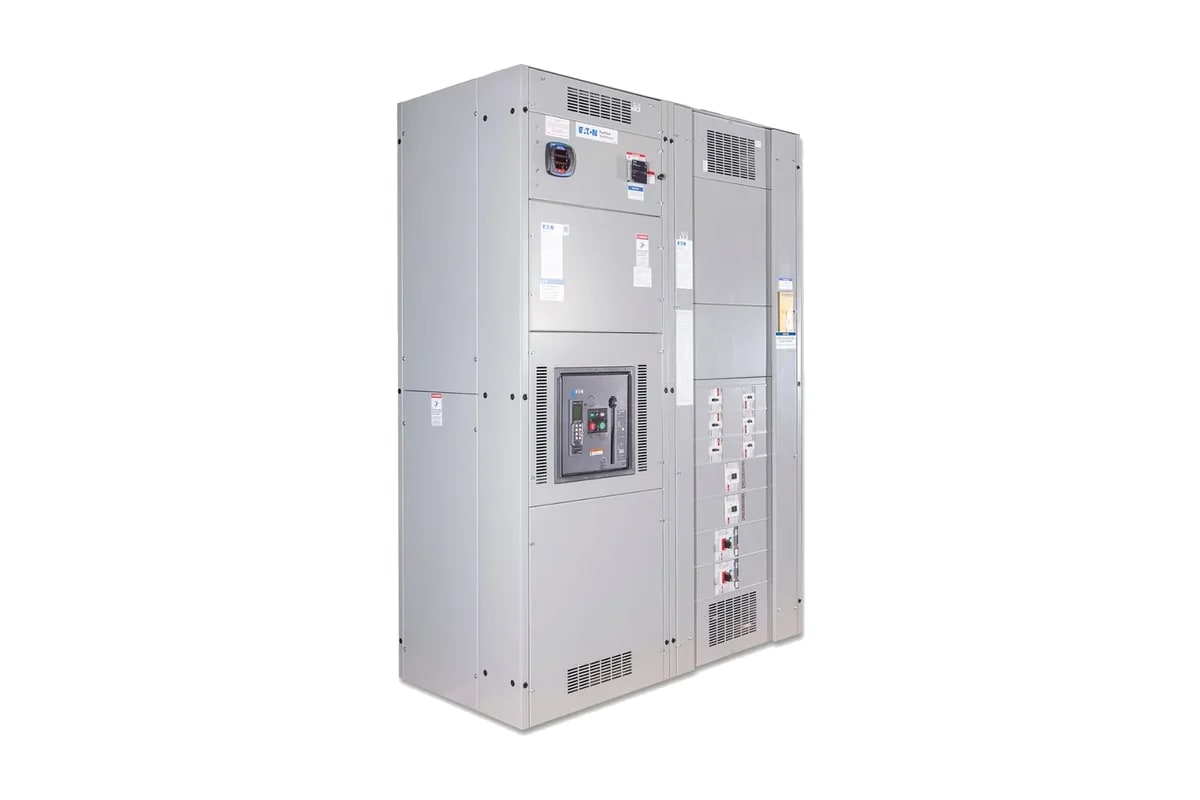
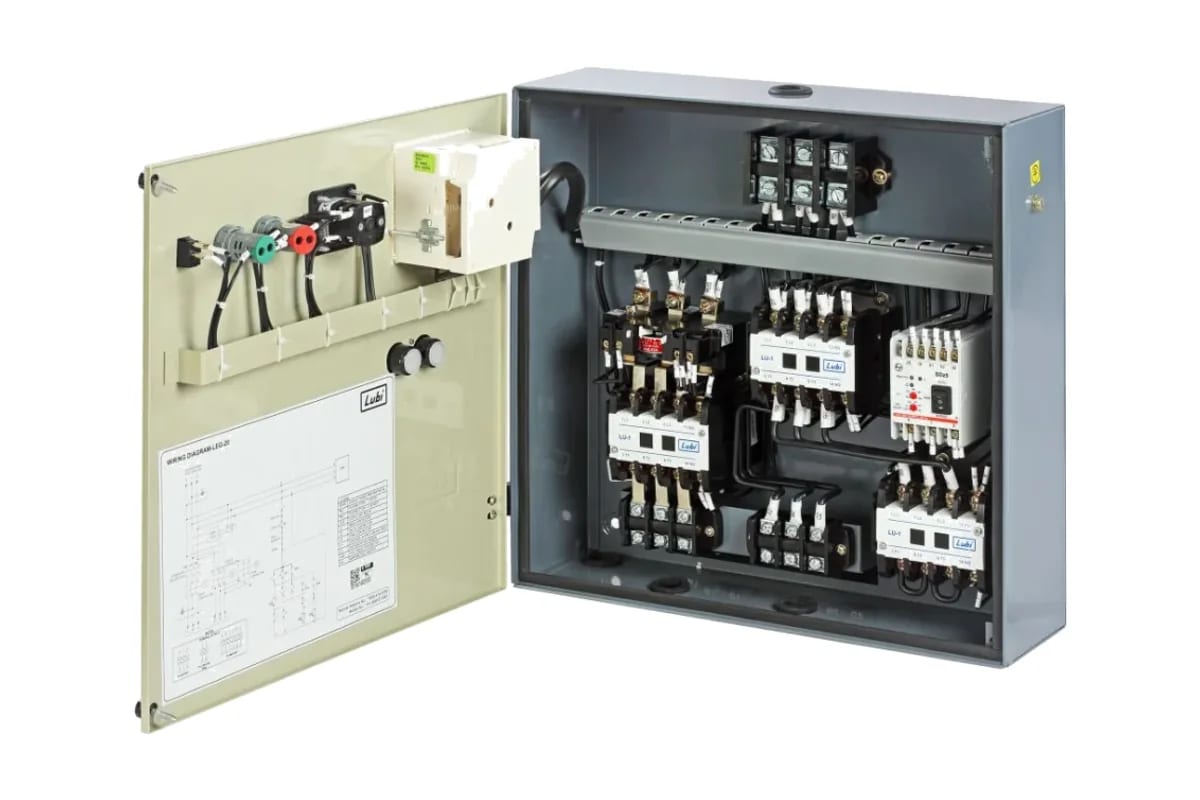
For electrical supplies in Kolkata, prepare an itemised BOQ with makes or references, ratings, quantities and delivery details.
Read articlePower QualityDetuned APFC Panel: Harmonics, Reactors and SelectionA detuned APFC panel combines capacitor stages with series reactors to manage the bank’s response to harmonic frequencies and resonance risk.
Read articlePower QualityThyristorised APFC Panel vs Contactor SwitchingChoose a thyristorised APFC panel when the measured load-change pattern calls for electronic capacitor switching.
Read articleNeed this for your application?
Send the specification, quantity and delivery PIN code. Our Kolkata team quotes supply across India, including eastern India, with availability and freight confirmed for your order.