
Solar Electrical Accessories
Solar electrical accessories for PV connections, circuit protection and distribution. Match MC4-compatible connector systems, DC fuses, glands and DCDB or ACDB assemblies to the approved array design.
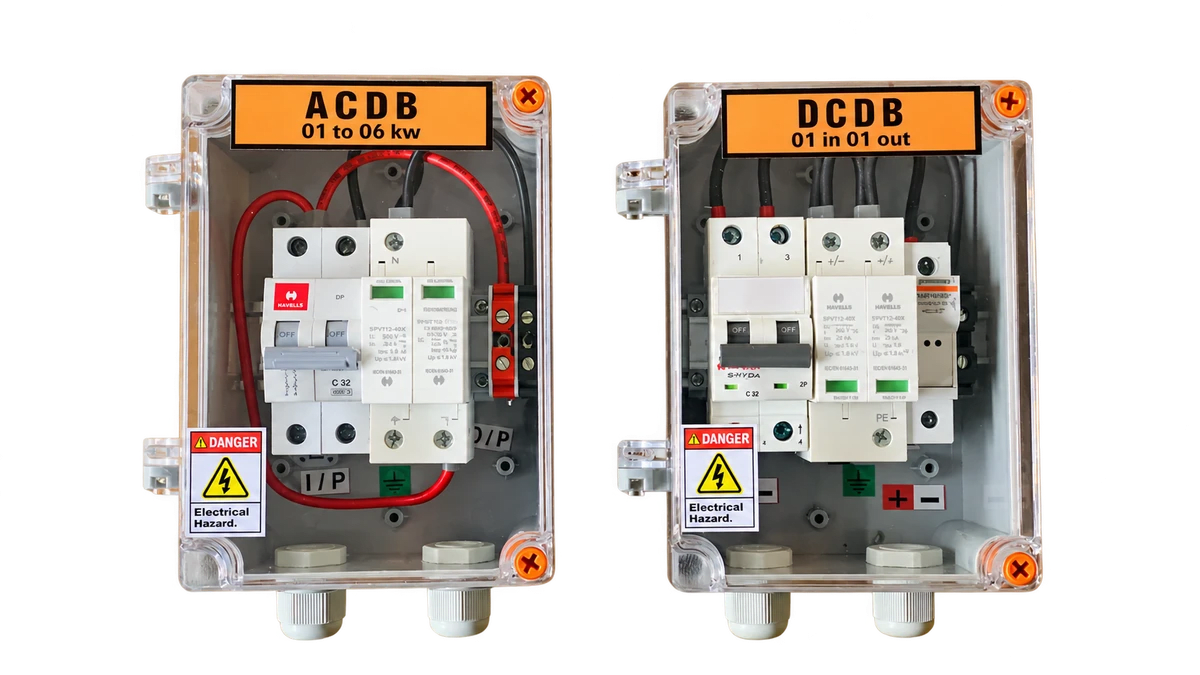
Representative category illustration. Final product make and specifications are confirmed with the quotation.
Products in Solar Electrical Accessories
Find the product type you need, then share the rating, make and quantity for pricing.
8 product types
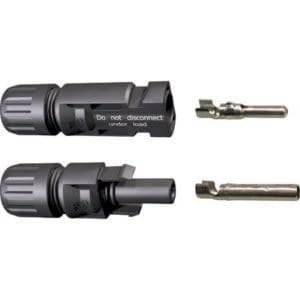
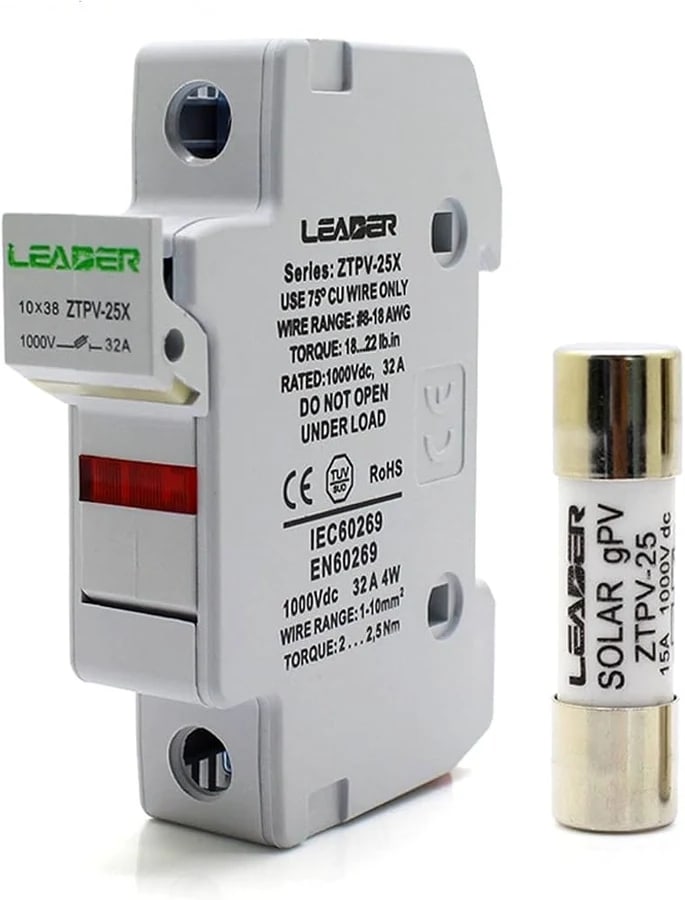
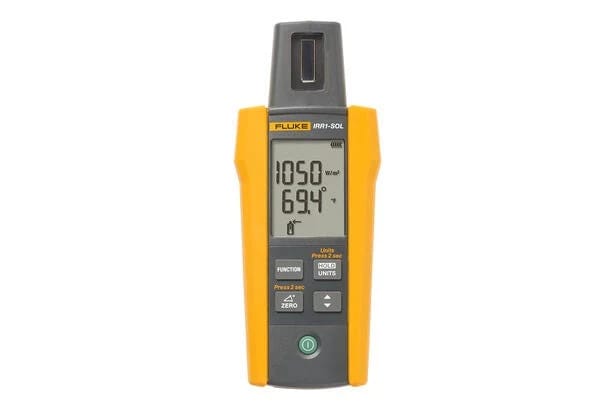
Solar electrical accessories in this range
The range covers MC4 connectors, DC fuses and holders, DCDB and ACDB boxes, surge protection devices, cable glands, lugs, UV-rated ties and PV test instruments. Send your bill of quantities for a line-by-line quote.
These are the balance-of-system parts that join PV modules to the inverter and the grid, and protect them. We do not list modules, inverters, batteries or mounting structures here. If you searched for solar panel accessories such as rails and clamps, those come from your structure supplier.
Accessory | Where it goes | What to specify |
|---|---|---|
Module leads and string cables | Connector make and series, cable size (4 or 6 sq mm), system voltage | |
String combiner or DCDB | gPV fuse rating, DC voltage rating, holder type | |
Between strings and inverter, and inverter and grid | Strings in and out, isolator, fuses, SPD, IP rating | |
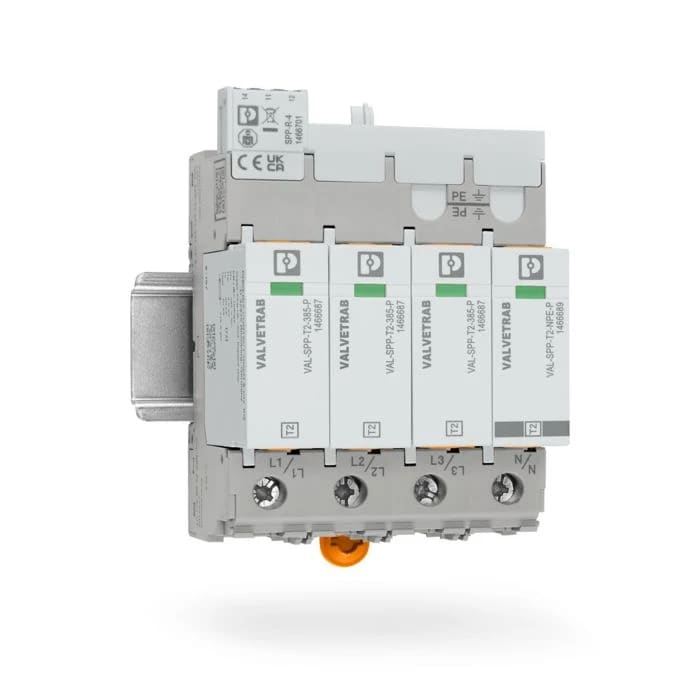
Inside the DCDB and ACDB | PV-rated DC SPD or AC SPD, type and voltage | |
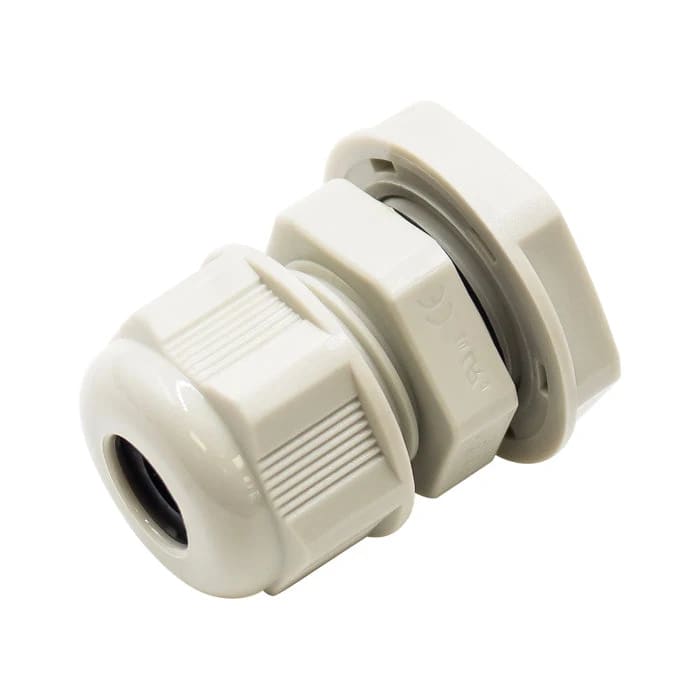
Cable entries on boxes | Thread size, cable diameter range, IP rating | |
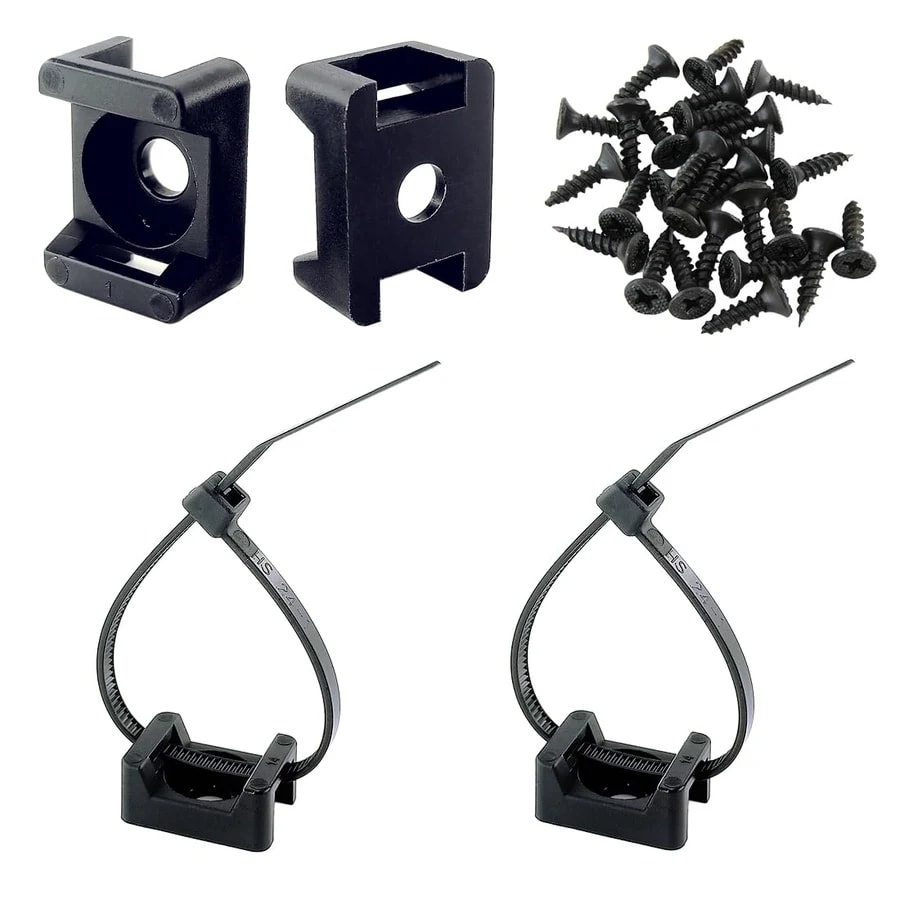
Cable runs on module rails and trays | Length, width, UV-stable material | |
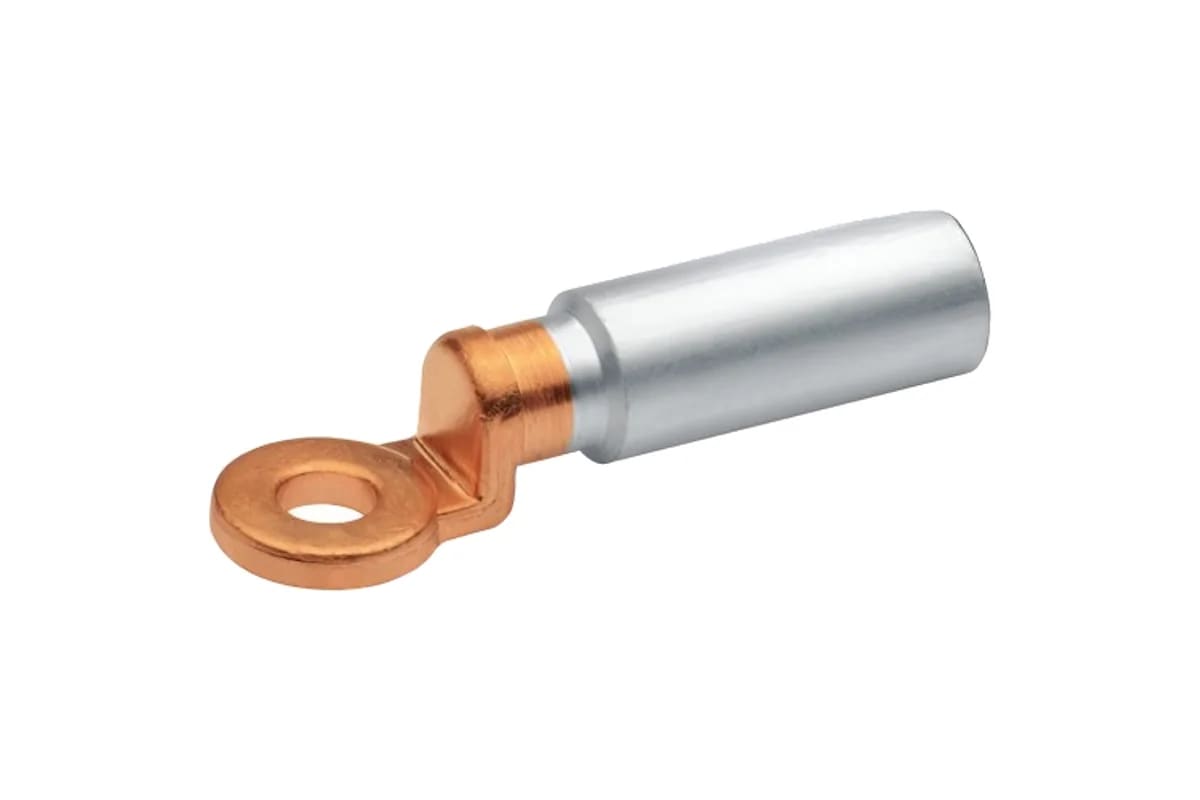
Bimetallic cable lugs | Aluminium AC cable onto copper terminals | Cable size, stud hole size |
Commissioning and maintenance | Test range: Voc, Isc, insulation, I-V curve |
MC4 connectors: match the pair
MC4 is a Stäubli product name, and many connectors look the same. Makers advise against mating connectors of different brands, because small differences in the contacts can cause heating over time. Order plug and socket from the same make and series.
Match the connector to the cable size and the plant's DC voltage. Use the crimp tool the maker specifies, not general pliers. Ask for spare pairs for future module swaps.
Solar DCDB and DC fuse selection
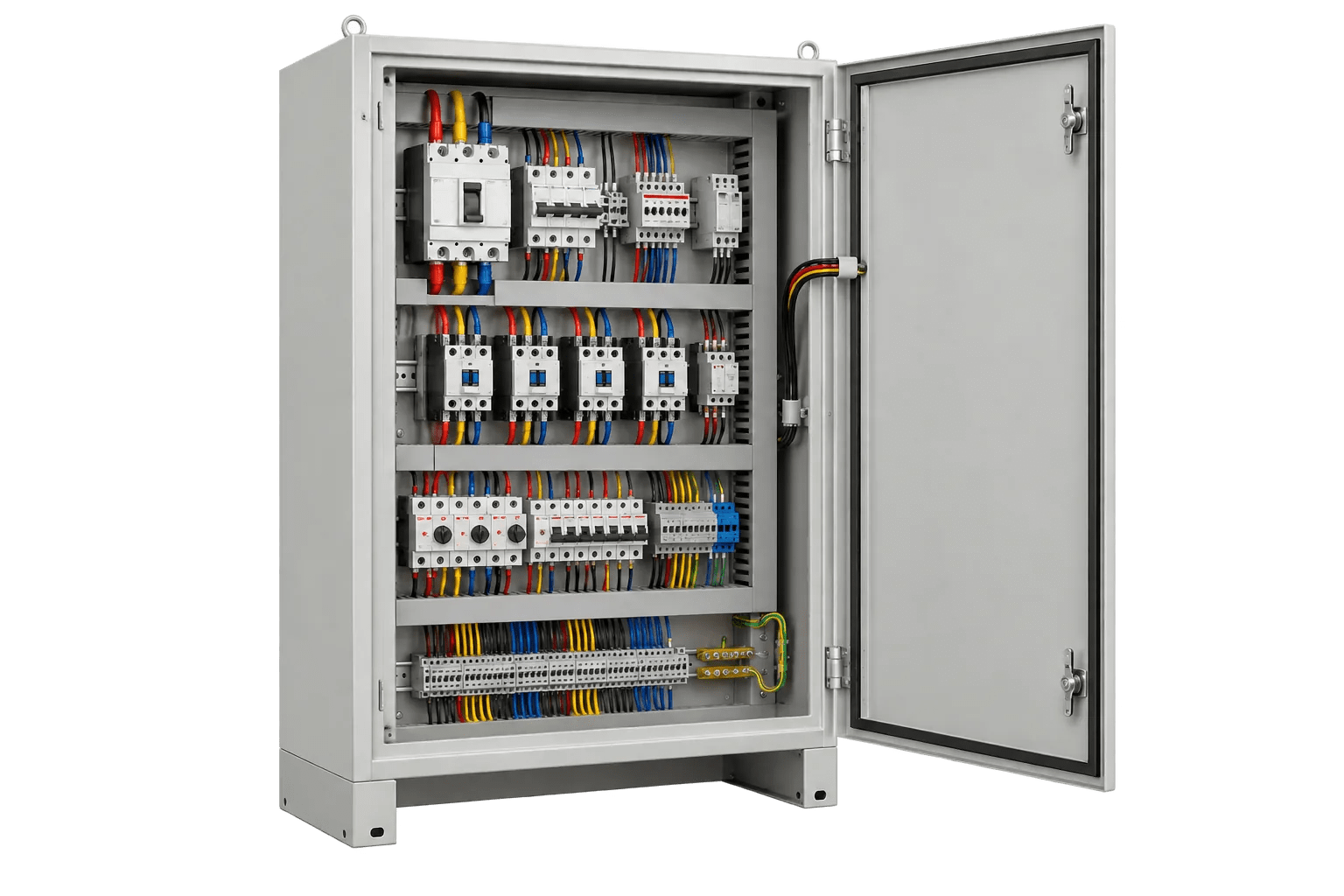
A solar DCDB collects the strings, isolates them and protects them. It usually holds a DC isolator, string fuses and a DC SPD in an outdoor-rated box. Every part inside must carry a DC rating at or above the array's highest open-circuit voltage.
String fuses are usually needed when three or more strings run in parallel into one input. Use gPV fuses to IEC 60269-6. IEC 62548 sets the rating between 1.5 and 2.4 times the module short-circuit current, and no higher than the module's maximum series fuse rating. Your array designer confirms the final value.
- Number of strings in and outputs to the inverter
- Module Voc and Isc, and modules per string
- DC system voltage: 1000 V or 1500 V class
- Isolator rating and whether it must be lockable
- IP rating, wall or pole mounting, and cable entry plan
Surge protection on the DC and AC side
Rooftop arrays are exposed to lightning surges. Fit a PV-rated DC SPD in the DCDB, with its continuous voltage above the string's highest open-circuit voltage. Fit an AC SPD in the ACDB at the inverter output.
PV DC SPDs are tested to IEC 61643-31. An AC-only SPD is not suitable on the DC side. Earth both SPDs with a short, direct conductor.
Outdoor solar accessories: glands, lugs and ties
Outdoor boxes need glands sized to the cable's outer diameter so the seal holds in rain. Cable ties on rooftops must be UV-stable, or they turn brittle and break within a few seasons. Where aluminium AC cable lands on copper terminals, use bimetallic lugs. Our cable lug selection guide explains why.
Testing at commissioning
Test each string before it goes live. Typical checks are polarity, open-circuit voltage, short-circuit or operating current, and insulation resistance, as set out in IEC 62446-1. An I-V curve tracer shows shaded or damaged modules that simple meters can miss.
Rooftop or ground-mount: what changes
Rooftop plants on factories and offices usually run 1000 V class strings with short cable runs. Most strings land straight on the inverter or a small DCDB, so the parts list is short. UV-stable ties, sealed glands and tidy cable routing matter most on a roof that people walk on.
Ground-mount plants often use 1500 V class strings, field combiner boxes and long DC runs. They need more fuses, larger isolators and more SPDs. Tell us the plant type so we quote solar accessories with the right voltage class from the start.
Solar accessories to keep as spares
Small solar accessories are cheap to stock but slow to find after a fault. A short kit of spare solar electrical accessories keeps strings running while a full order is placed.
- Spare MC4 pairs of the same make and series as the plant
- Two or three fuses of each string fuse rating
- Plug-in SPD cartridges, if your SPDs use them
- Gland seals, UV-stable ties and a few bimetallic lugs
Ordering solar accessories for a project
Send one bill of quantities for all solar electrical accessories, with the make and series for each line. Mark items that must match existing hardware, such as connectors and fuse holders. Give the delivery PIN code and whether items must arrive together for site work.
Questions about Solar Electrical Accessories
What accessories are needed for solar panel installation?
Besides modules, inverter and mounting, a PV plant needs connectors for module and string cables, DC cable, string fuses where strings run in parallel, a DCDB with isolator and DC SPD, an ACDB with breaker and AC SPD, earthing, glands, lugs and UV-rated ties. We supply the electrical items in this list.
What are the different types of solar accessories?
There are mounting accessories (rails, clamps, base plates), electrical accessories (connectors, fuses, DCDB, ACDB, SPDs, glands, lugs, cables) and monitoring or test equipment. This range covers the electrical accessories and the test instruments.
Can I mix MC4 connectors from different brands?
It is not advised. Connectors that look alike can differ in contact design and tolerances, which can lead to heating at the joint. Connector makers ask for mating with their own series. Order both halves from the same make.
What is a solar DCDB?
A DC distribution box that sits between the PV strings and the inverter. It collects the strings and holds the DC isolator, string fuses and a PV-rated SPD. All parts must be rated for DC at the array's maximum voltage.
Do I need fuses on every PV string?
Not always. String fuses are usually needed when three or more strings feed one inverter input in parallel, because a fault in one string can draw current from the others. The array designer confirms the need and rating using IEC 62548.
Relevant products and guidance
Need help selecting the right solar electrical accessories?
Share the application, rating, preferred make and delivery location. We’ll help you identify a suitable option.
Share your requirement