
Electrical Boxes & Enclosures
Electrical enclosures, junction boxes and distribution boxes for plants, buildings and panel assemblies. Select the enclosure material, dimensions, entries and fitted components for the installation.
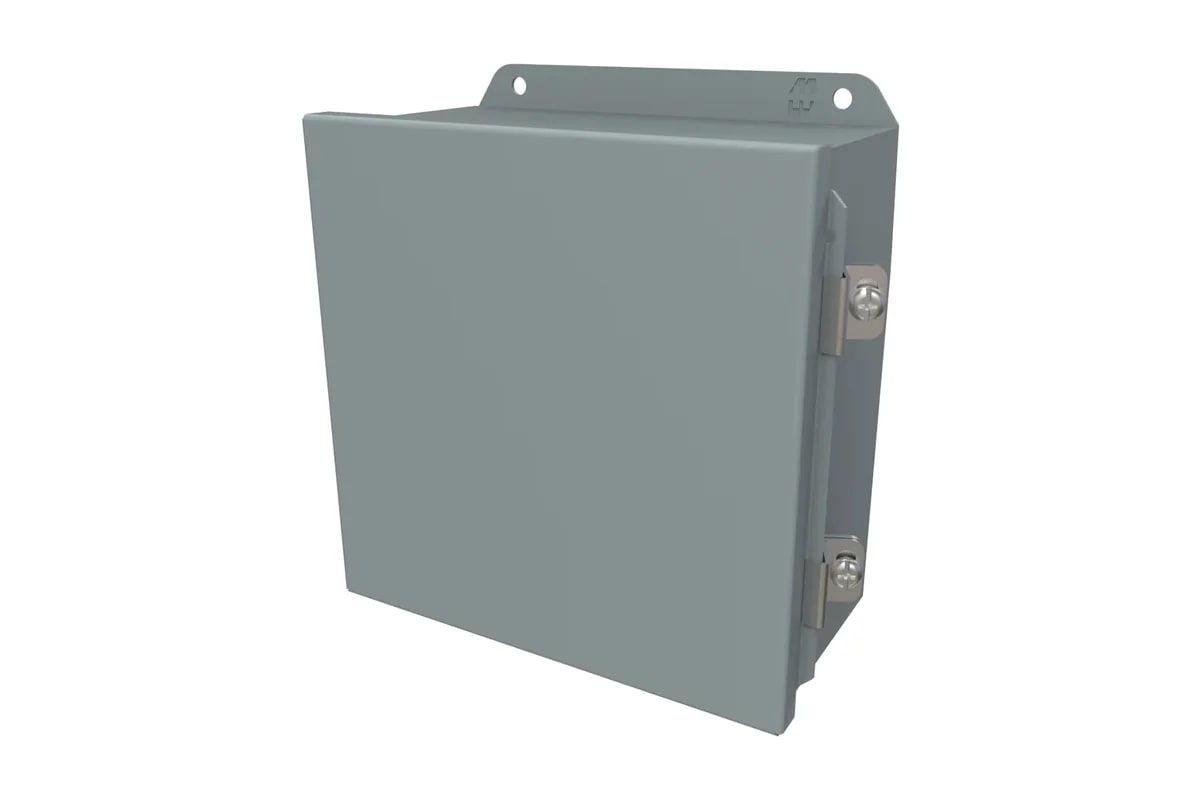
Representative category illustration. Final product make and specifications are confirmed with the quotation.
Products in Electrical Boxes & Enclosures
Find the product type you need, then share the rating, make and quantity for pricing.
5 product types
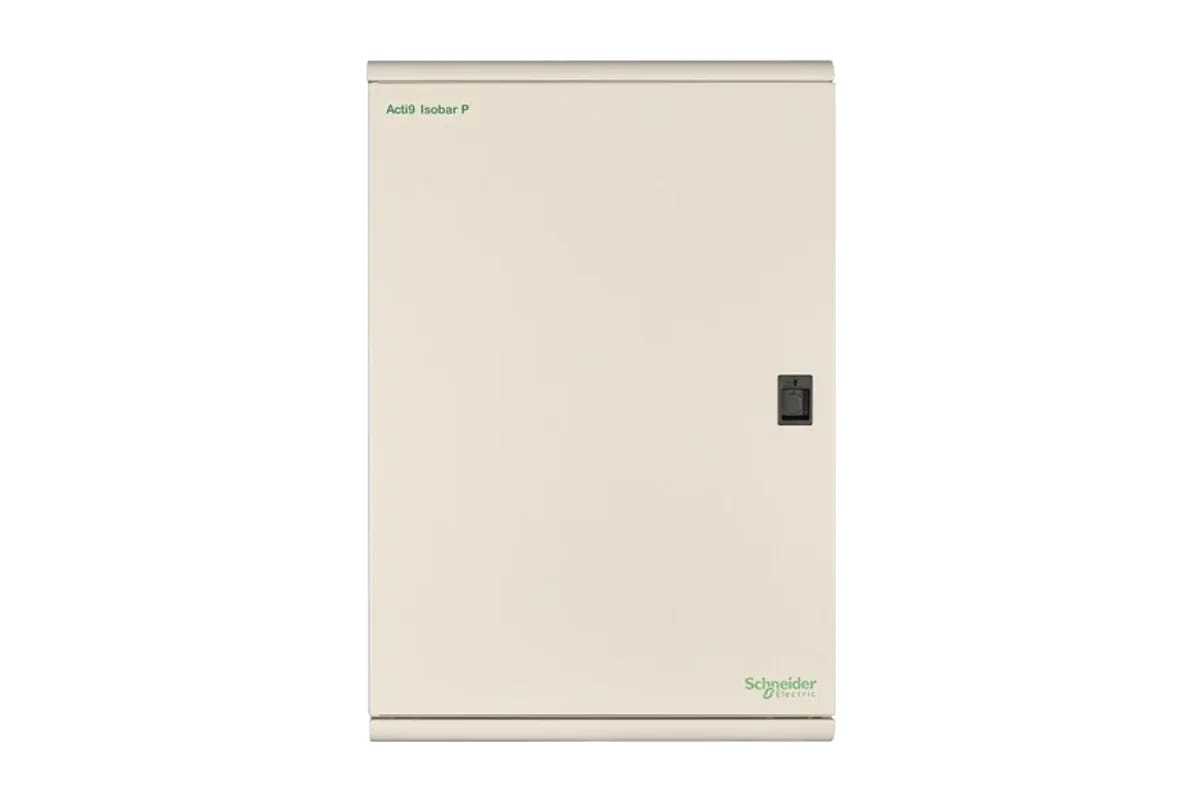
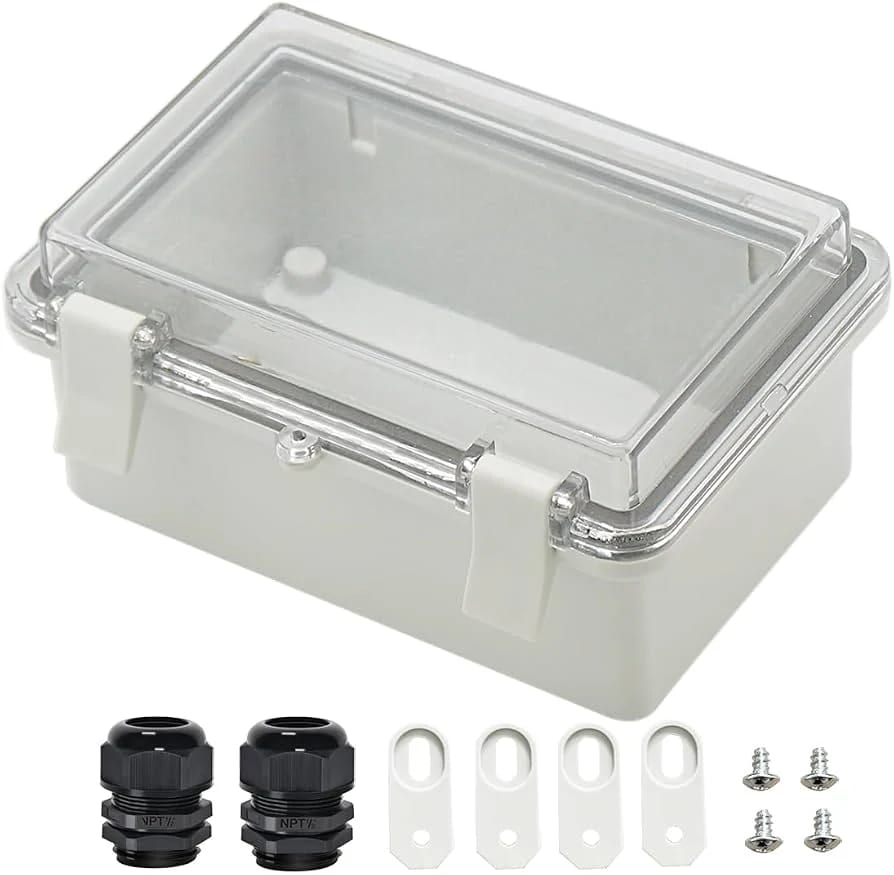
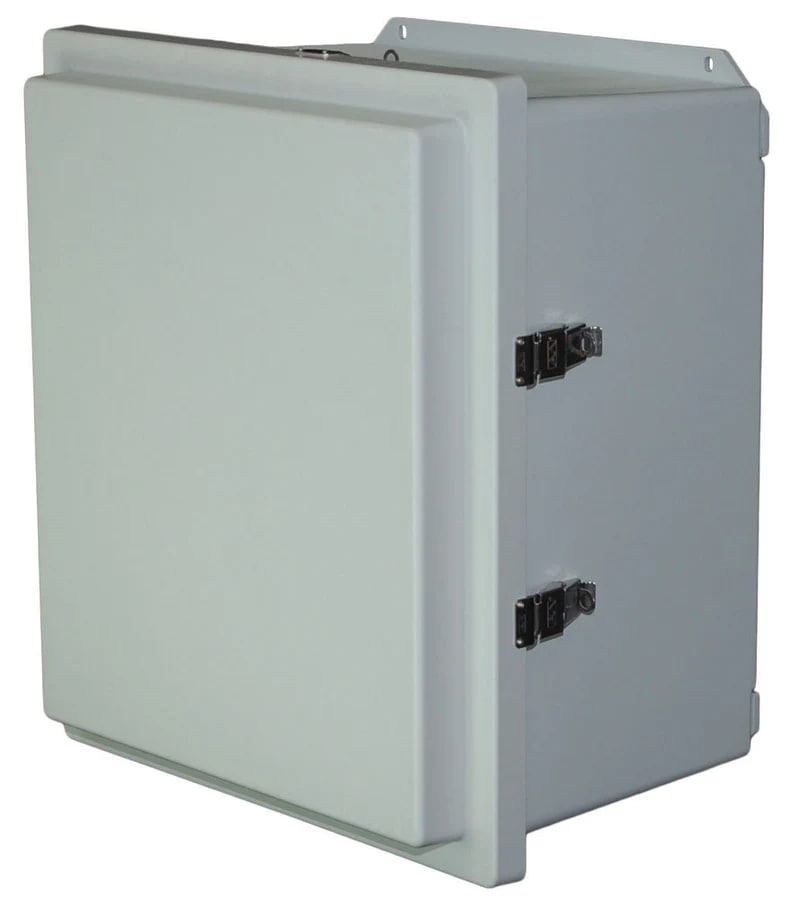
Makes we quote for electrical boxes & enclosures
Send the make, part number and quantity. Availability and lead time are confirmed in your quotation.
How to choose electrical enclosures
Choose MS and GI junction boxes, ABS and transparent boxes, distribution and MCB boxes, non-metallic enclosures and network racks. Send the size, material, IP rating and cable entries, and we quote each line with the make confirmed in the offer.
Electrical enclosures protect wiring and devices from touch, dust, water and knocks. Pick one in four steps: inside size, material, IP rating and cable entry. Get these right and most electrical boxes can be quoted from a single line.
Size the box for the equipment plus room for wiring and heat. A box packed to the edges is hard to wire and runs hot.
Enclosure material: metal or non-metallic
Metal boxes need an earth connection for the body and door. Non-metallic boxes do not need body earthing, but the devices inside still do.
Material | Good for | Watch for |
|---|---|---|
Powder-coated MS (CRCA) | Indoor plant rooms, control and panel box work | Rusts at scratches in damp or coastal air |
GI or galvanised steel | Outdoor and damp areas, cable trench boxes | Cut edges and drill holes need touch-up |
Stainless steel | Food, pharma, chemical and coastal sites | Higher cost; confirm grade, such as 304 or 316 |
ABS plastic | Indoor junction boxes and small control boxes | Choose a UV-stabilised grade for sunlight |
Polycarbonate | Outdoor boxes, transparent covers for meters and indicators | Check the impact and temperature range |
FRP / GRP | Outdoor, corrosive and chemical areas, feeder pillars | Size range and mounting fittings vary by make |
IP ratings for electrical boxes
The IP code from IS/IEC 60529 tells you how well a box keeps out dust (first digit) and water (second digit). Match it to where the box will sit, not to the highest number available.
IP rating | Protection | Typical place |
|---|---|---|
IP42 / IP43 | Tools and wires kept out, dripping or spraying water | Clean indoor electrical rooms |
IP54 / IP55 | Dust protected, splashing or water jets | Plant floors, covered outdoor areas |
IP65 | Dust tight, water jets | Outdoor walls, wash-down zones |
IP66 | Dust tight, powerful water jets | Open yards, heavy rain exposure |
IP67 | Dust tight, short immersion | Pits and areas that may flood briefly |
NEMA types on imported drawings
US drawings use NEMA 250 types instead of IP codes. Type 3 is for outdoor use against rain, sleet and windblown dust. Type 4 adds hose-directed water, and Type 4X adds corrosion resistance.
NEMA and IP tests differ, so ask your consultant to confirm an IP equivalent before you order.
Impact rating
For boxes in loading bays or public areas, add an IK rating from IEC 62262. IK10 is the highest grade and withstands a 20 joule impact.
Junction boxes and DB boxes
Metal and plastic junction boxes
MS and GI junction boxes suit conduit systems and plant wiring. ABS and transparent junction boxes suit indoor and outdoor terminations where you want to see indicators or avoid rust.
For these electrical boxes, send the outside size, depth, material, IP rating, number and size of knockouts or entries, and whether you need a terminal rail or mounting plate.
Distribution boards and MCB boxes
Distribution boards and MCB boxes house MCBs, RCCBs and isolators. State SPN or TPN, the number of ways, incomer type, surface or flush mounting and single or double door. Name the breaker make so the DIN rail, busbar and cover cut-outs match.
Non-metallic enclosures and network racks
Non-metallic electrical enclosures in polycarbonate or FRP suit outdoor and corrosive sites. Ask for a mounting plate, door hinge type and lock if the box will hold switchgear.
Networking and equipment enclosures are 19-inch racks for switches, servers and recorders. Give the height in U (one U is 44.45 mm), depth, wall or floor mounting, door type and fan or power strip needs.
Cable entry, heat and the panel box
Electrical enclosures only keep their IP rating if every entry is sealed. Use cable glands sized to the cable outer diameter; our cable gland size chart helps you match them. Blank off unused knockouts.
Devices inside electrical enclosures give off heat. Vents and fans help, but they lower the IP rating unless they carry filters rated for the same level. Share the heat load or device list if the box will hold drives or power supplies.
When a job grows past a standard panel box, we can build it. Tirupati Power Enterprises makes custom LT electrical panels at its own Kolkata works. For locks, hinges, gland plates and fans, see control panel accessories.
What to send for an electrical enclosures quote
- Product type: junction box, DB, panel box, non-metallic enclosure or rack
- Inside or outside size (height x width x depth in mm)
- Material and finish, with colour shade if specified
- IP rating, and IK or NEMA type if your drawing names one
- Number, size and position of cable entries or gland plate
- Mounting plate, DIN rail, door, hinge and lock needs
- Make, if your specification names one, such as Rittal
- Quantity and delivery PIN code
Questions about Electrical Boxes & Enclosures
What is an electrical enclosure?
An electrical enclosure is a box or cabinet that holds electrical parts and wiring. It stops people touching live parts and keeps out dust, water and knocks. Common types are junction, DB and control boxes, panel cabinets and network racks.
What are the different types of electrical enclosures?
By material, they are metal (MS, GI, stainless steel) or non-metallic (ABS, polycarbonate, FRP). By use, they include junction and distribution boxes, control and panel boxes, outdoor feeder pillars and 19-inch racks. Choose by site conditions, IP rating and what goes inside.
What is a Type 3 electrical enclosure?
Type 3 is a NEMA 250 rating for outdoor enclosures that keep out rain, sleet, snow and windblown dust and are not damaged by ice forming outside. It is a US rating; Indian specifications usually ask for an IP rating instead.
What is a Type 4 electrical enclosure?
A NEMA Type 4 enclosure adds protection against splashing and hose-directed water to the Type 3 features. Type 4X adds corrosion resistance, often met with stainless steel or non-metallic boxes. Confirm the IP equivalent with your consultant.
Which IP rating do I need for an outdoor junction box?
For an outdoor wall in the rain, IP65 or IP66 is common. Use IP67 where the box could be briefly under water. Sealed glands and blanked knockouts are needed to keep that rating after wiring.
Relevant products and guidance
Need help selecting the right electrical boxes & enclosures?
Share the application, rating, preferred make and delivery location. We’ll help you identify a suitable option.
Share your requirement