
Crimping & Cable Preparation Tools
Crimping, cutting and cable preparation tools for panel builders, electricians and maintenance teams. Choose the tool and dies for the conductor, terminal and connection system.
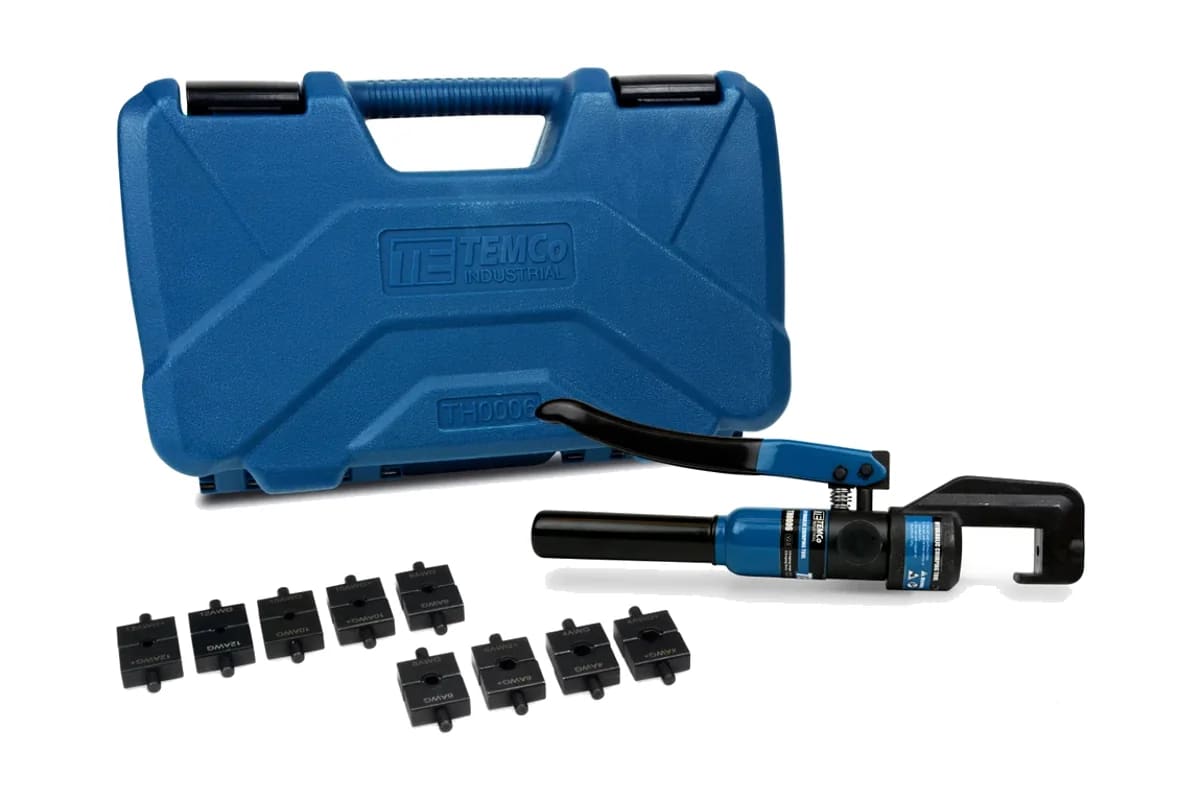
Representative category illustration. Final product make and specifications are confirmed with the quotation.
Products in Crimping & Cable Preparation Tools
Find the product type you need, then share the rating, make and quantity for pricing.
7 product types
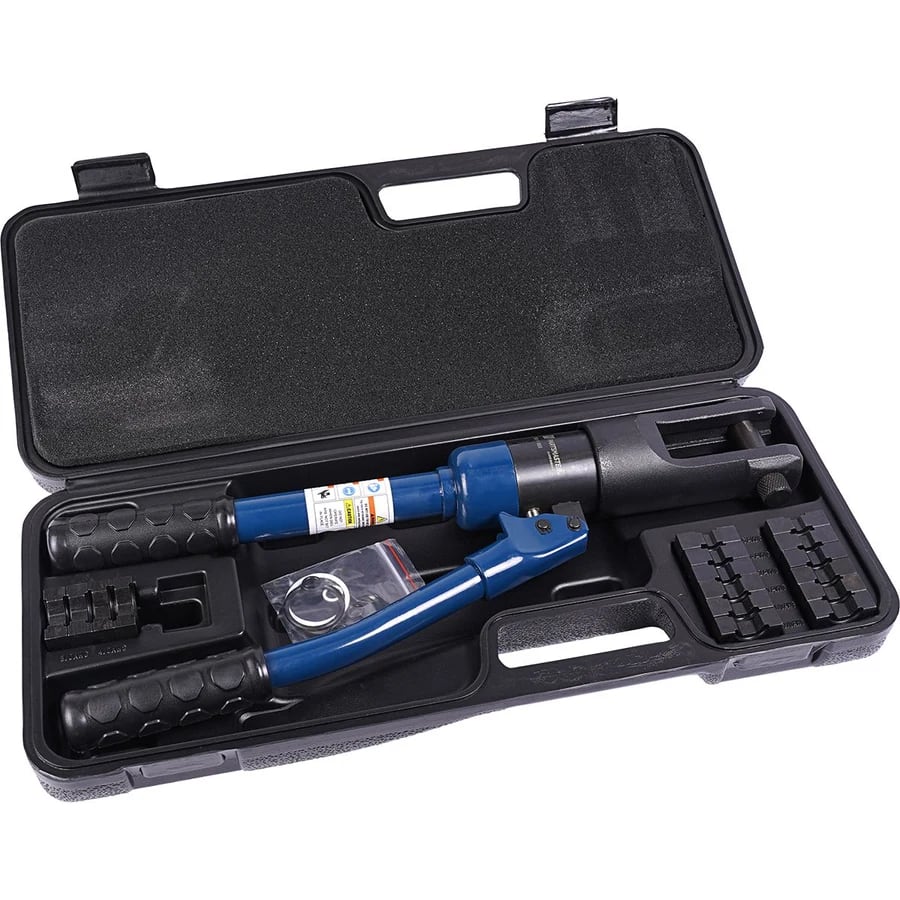
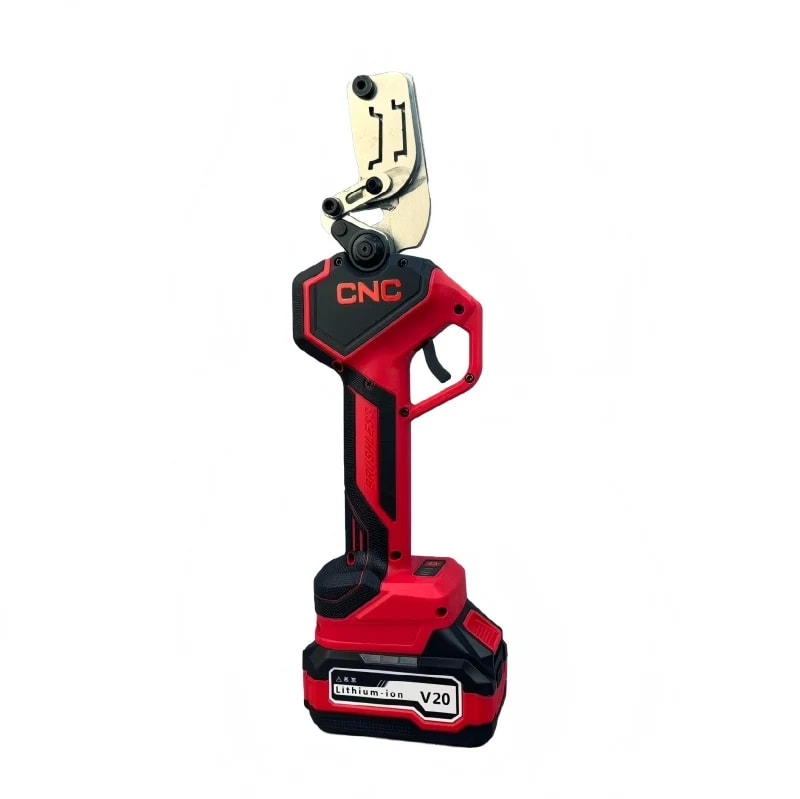
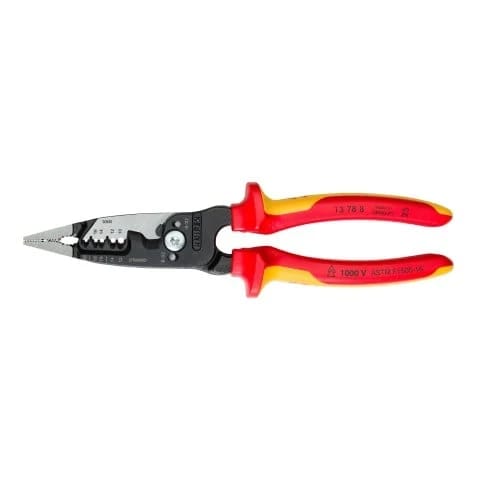
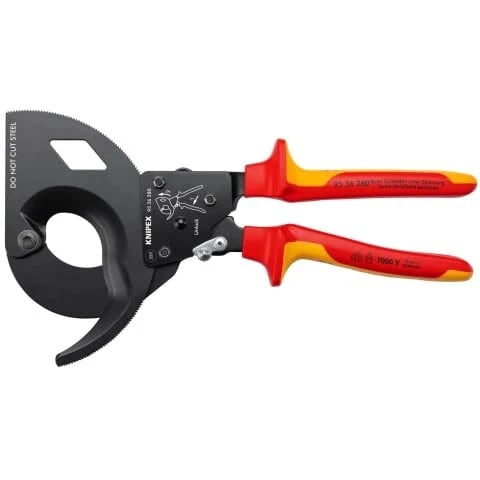
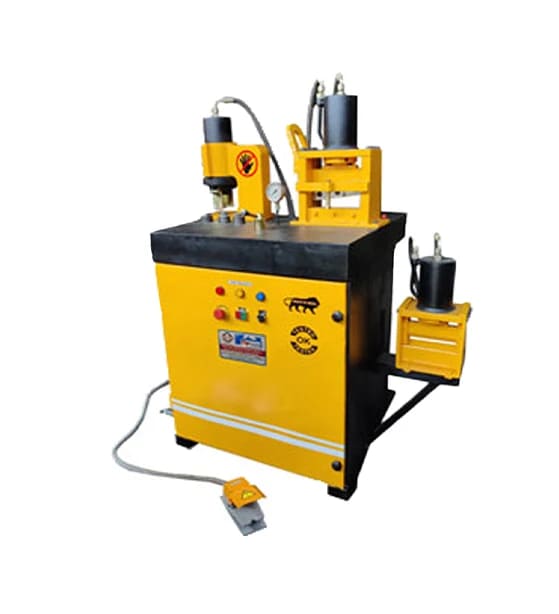
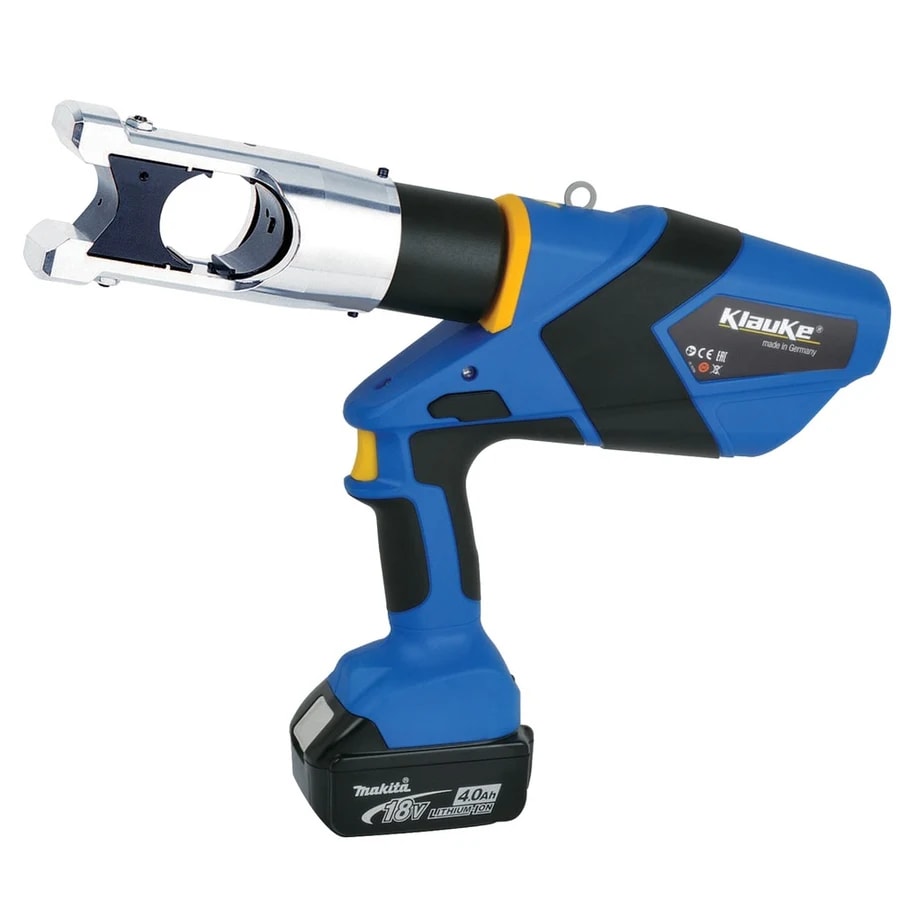
Which crimping tools fit your terminals?
The range runs from ratchet pliers for ferrules and small terminals to hydraulic and battery tools for large cable lugs, with cutters, strippers, DIN rail cutters and busbar machines. Tell us the terminals and sizes you crimp, and we quote matching tools.
Choose crimping tools by the terminal you crimp and its size, not by the tool alone. The table shows the usual match. Size ranges vary by model, so check the model data before you order.
Tool | Used for | Typical size band |
|---|---|---|
Ratchet crimping pliers | Cord-end ferrules, insulated terminals, small bare terminals | Small control wiring sizes |
Mechanical lug crimper | Copper and aluminium tube lugs | Medium sizes, up to about 70 sq mm on many models |
Hydraulic hand crimper | Large cable lugs and in-line ferrules | Large power cable, often up to 300 or 400 sq mm |
Battery crimping tool | Large lugs in volume or in tight spaces | Similar to hydraulic models |
Pneumatic crimping tool | Repeated small crimps on a production bench | Set by the die fitted |
Crimping tools for small wires and terminals
Crimping tools and pliers with a ratchet do not open until the crimp is complete. That gives the same crimp every time, which matters in a panel with hundreds of ferrules.
Use a square or trapezoid profile for cord-end ferrules. Use a colour-coded die for red, blue and yellow insulated terminals. One tool rarely suits both well.
Crimping tools for power cable lugs
Hydraulic crimping and cutting tools do most lug work on power cable. The die must match the lug size, and often the lug material, since copper and aluminium lugs of the same size can differ in barrel size.
Follow the lug maker's crimp count and spacing. A crimp that looks tight can still run hot if the die is wrong. Our cable lug selection guide covers lug and die matching.
Battery and pneumatic crimping tools
Battery and pneumatic crimping tools cut effort on big jobs. Battery tools help on ladders and in tight cable trenches. Pneumatic tools suit fixed benches with an air supply.
How to check a crimp
Push the conductor fully into the barrel before crimping. After crimping, the crimps should sit inside the barrel area, with no cracks in the lug.
Many dies stamp a size mark into the lug. Check that the mark matches the lug size. If the lug maker gives a pull test or inspection rule, follow it.
Cable tools for cutting and stripping
A clean crimp starts with a square cut and the right strip length. These cable tools prepare the conductor before it reaches the crimper.
- Cable cutter: ratchet and hydraulic models cut large copper and aluminium cable. Check the rating before cutting steel armour or steel-cored conductors, since many cutters are for copper and aluminium only.
- Wire strippers: remove insulation without nicking strands. Pick a model for your wire size range.
- DIN rail cutters: cut 35 mm rails to length on the bench.
- Busbar bending, cutting and punching machines: shape copper and aluminium busbars for panels. Send the largest busbar width and thickness and the hole sizes you punch.
Electrical tools to match your parts
Buy tools and terminals together where you can. The lugs and glands for power cable are on cable glands and lugs. Ferrules, insulated terminals and markers are on panel wiring accessories.
What to send for a crimping tools quote
- The terminals you crimp: ferrules, insulated terminals or tube lugs.
- The smallest and largest size in sq mm, and copper or aluminium.
- Hand, hydraulic, battery or pneumatic, and how many crimps a day.
- Dies needed, listed by size, if you already own a tool.
- Cutter, stripper or busbar machine needs, with the largest size you work on.
- Preferred make and model, quantity and delivery location.
Questions about Crimping & Cable Preparation Tools
What is a crimping tool used for?
A crimping tool presses a terminal, ferrule or lug onto a wire so the two form one solid joint. Electricians use it on cord-end ferrules, insulated terminals and cable lugs. A good crimp is strong and low in resistance.
What are the two types of crimping?
For cable lugs, the two common crimp profiles are hexagonal and indent. A hexagonal die squeezes the barrel evenly on all sides. An indent die presses a deep dimple into one side. Use the profile and die that the lug maker states.
Which is the best crimping tool?
The best tool is the one made for your terminal and size. A ratchet plier suits ferrules and small terminals. A hydraulic tool with the right die suits large lugs. A battery tool suits high volume or awkward access.
What tools are needed for crimping?
You need a cable cutter or wire cutter, a wire stripper and a crimping tool with the right die. For aluminium cable, also keep a wire brush and the jointing compound the lug maker specifies.
Can one die set cover copper and aluminium lugs?
Not always. Copper and aluminium lugs of the same conductor size can have different barrel sizes, so the dies are often marked for one material. Check the die marking against the lug before crimping.
Relevant products and guidance
Need help selecting the right crimping & cable preparation tools?
Share the application, rating, preferred make and delivery location. We’ll help you identify a suitable option.
Share your requirement