
Earthing Materials & Electrodes
Earthing Materials & Electrodes
Earthing electrodes, rods, strips, wires and accessories for industrial and building installations. Material and dimensions follow the engineered earthing layout and site conditions.
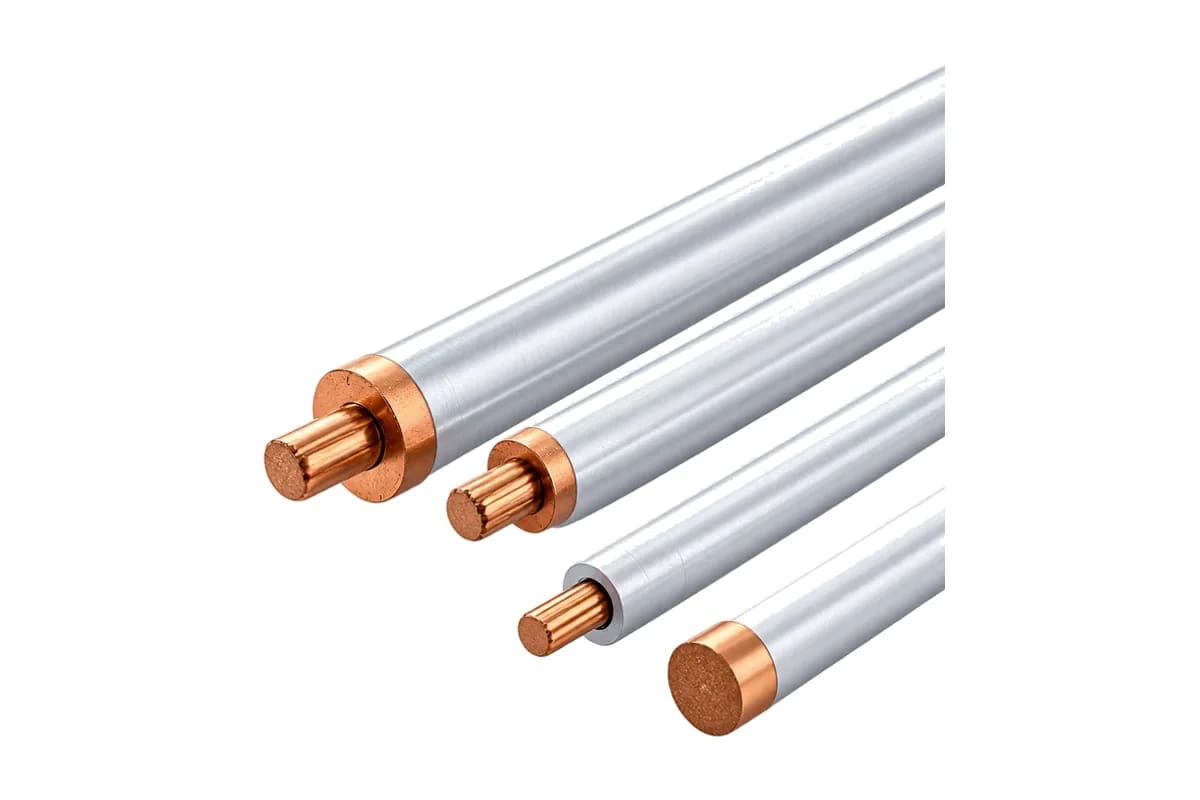
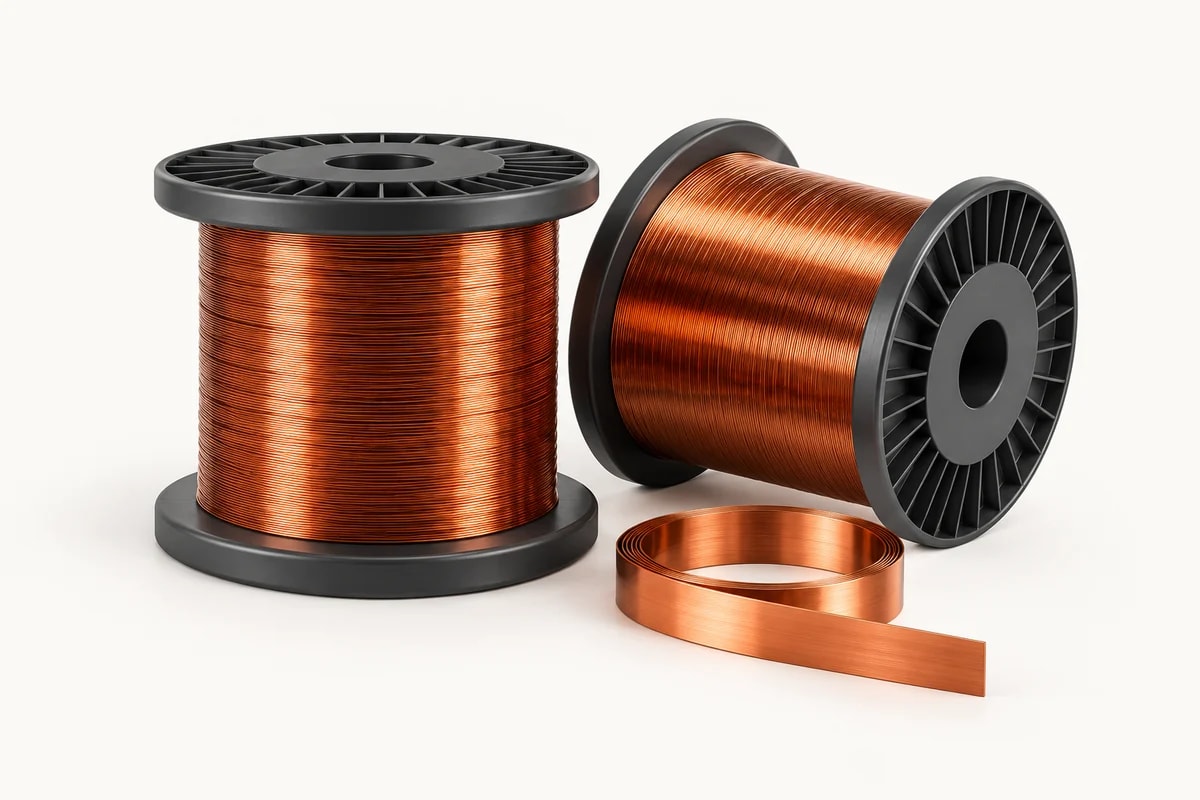
Representative category illustration. Final product make and specifications are confirmed with the quotation.
Products in Earthing Materials & Electrodes
Find the product type you need, then share the rating, make and quantity for pricing.
6 product types
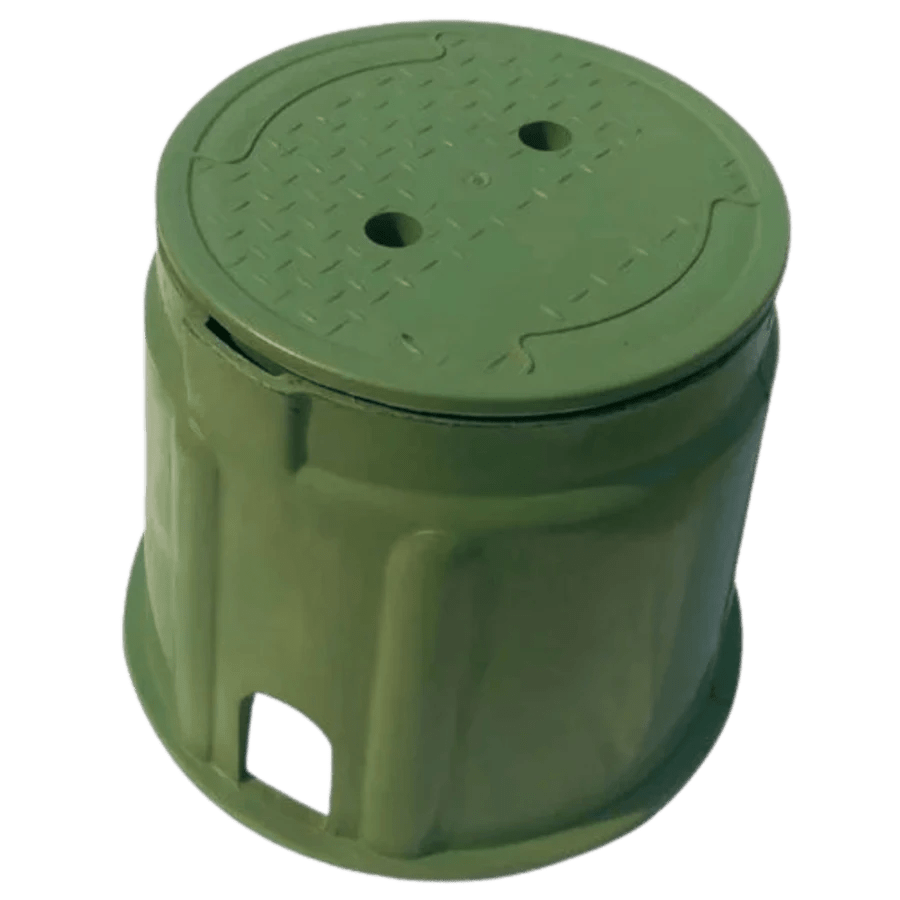
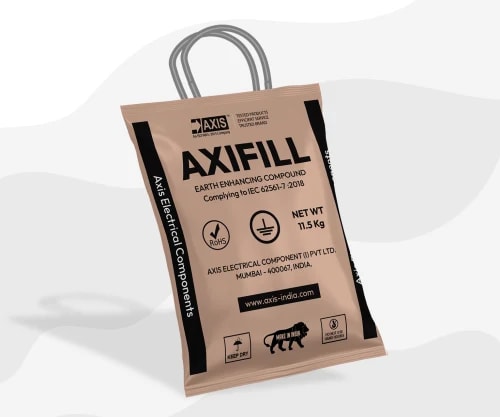
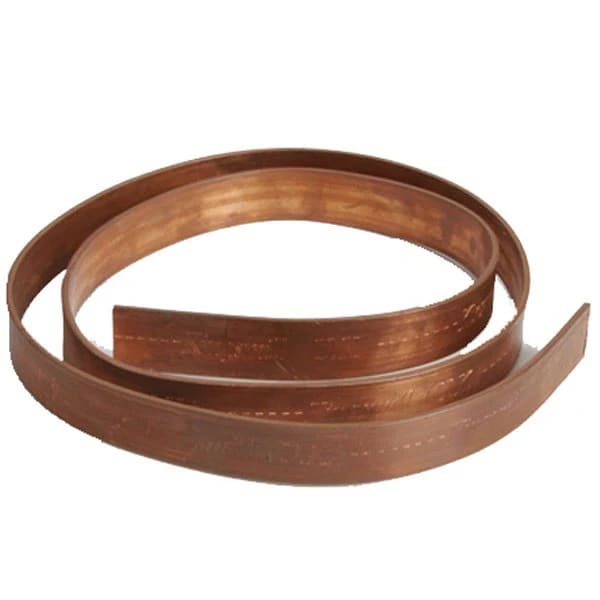
What earthing material does one earth pit need?
Pick GI or copper-bonded rods, chemical earthing electrodes, GI and copper strips, backfill compound and earth pit covers. Send your earthing layout or bill of quantities, and we quote each line to your specification with the make confirmed.
Most earth pits use the same five pieces of earthing material. The electrode goes into the soil, a strip or wire links it to your equipment, and a compound fills the space around the electrode. Clamps join the parts, and a cover keeps the pit open for testing.
List each part on your enquiry. A complete earthing materials list stops the common problem of a rod arriving without its clamps or cover.
Part | What it does | What to specify |
|---|---|---|
Earthing electrode (rod, pipe or plate) | Makes contact with the soil and carries fault current into it | Material, diameter, length, coating thickness, quantity |
Earthing conductor (strip or wire) | Links equipment and the main earth bar to the electrode | Material, size in mm x mm or sq mm, total length |
Backfill compound | Packs the hole around the electrode and keeps soil contact steady | Type, bags per pit, bag weight |
Clamps and connectors | Join the conductor to the electrode | Type, material, rod and strip size |
Earth pit cover | Gives access for inspection and testing | Material, size, load class (foot traffic or vehicles) |
Earthing electrode types compared
The electrode is the earthing material your design depends on most. Choose it from the soil type, the fault current and the life you expect. Then match every other part to it.
Electrode | Construction | Often chosen for | Check before you order |
|---|---|---|---|
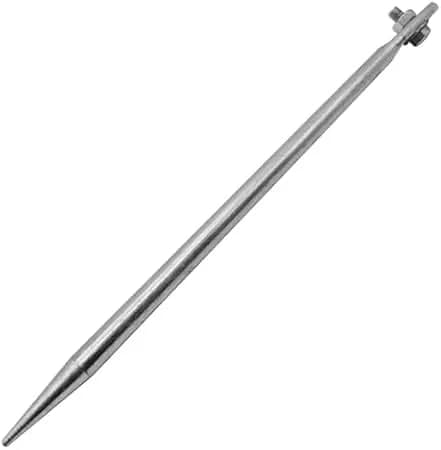
GI rod or pipe | Hot-dip galvanised steel | Dry or mildly corrosive soil, budget-led projects | Zinc coating thickness and rod diameter |
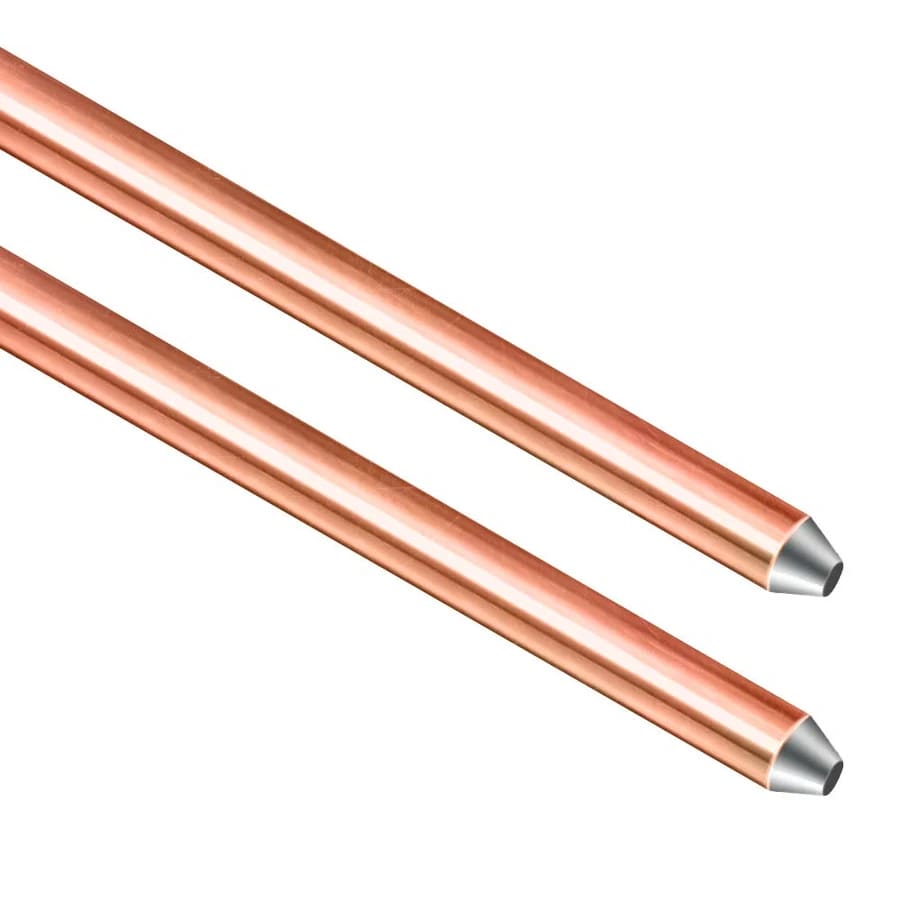
Copper-bonded rod | Steel core with a bonded copper layer | Long life in damp or corrosive soil, sectional driving | Copper layer thickness; it is not solid copper |
Chemical earthing electrode | Strip-in-pipe or pipe-in-pipe with conductive fill | Rocky or dry ground, tight spaces | What the fill is and what the kit includes |
GI earthing rods
GI earthing rods are the usual choice for routine plant and building work. The zinc coat wears away faster in wet, salty or acidic soil, so ask for the coating thickness and plan for testing.
Copper-bonded earthing rods
Copper-bonded earthing rods have a steel core for strength and a copper skin for corrosion resistance. IEC 62561-2 sets a minimum copper layer of 250 microns for these rods. Ask for the coating figure on the data sheet, not just the colour.
Chemical earthing electrodes
"Chemical earthing" covers several builds, from strip-in-pipe to pipe-in-pipe units filled with compound. Send the construction your designer approved for chemical earthing electrodes. That way the quote compares like with like.
Earthing strips, wires and other earthing products
Earthing strips and wires carry fault current from your equipment to the electrode. GI strip is common for plant earthing. Copper strip suits panels, transformers and lightning protection where the design calls for it.
Size this earthing material from the fault current and how long the fault lasts. IS 3043 gives the method. State sizes as width x thickness, for example 25 x 3 mm or 50 x 6 mm, and give the total length in metres.
Do not join copper and GI directly in damp areas. The two metals corrode each other at the joint. Use a bimetallic connector or follow the joint detail on your drawing.
Backfill compound and earth pit covers
Earthing enhancement compound fills the hole around the electrode. It helps keep contact with the soil steady in dry, sandy or rocky ground. No earthing material replaces a proper design or a test after installation.
Older pits often used salt and charcoal to hold moisture. Many current specifications avoid salt because it speeds up corrosion and washes out over time. Follow the backfill named in your earthing materials schedule.
Earth pit covers protect the test point. Cast iron, polymer and concrete covers are all in use. Pick the load class from where the pit sits, such as a footpath or a truck yard.
How to specify earthing material for a quick quote
A short, complete enquiry gets a correct quote the first time. Send these details with your earthing material list:
- Earthing layout or single-line drawing, and the standard your consultant follows
- Number of earth pits and which ones are for equipment, neutral or lightning protection
- Electrode type, material, diameter, length and coating requirement
- Conductor material, size and total length
- Backfill compound type and bags per pit
- Clamps, connectors and test links needed at each pit
- Earth pit cover material and load class
- Any test reports or material documents you need with the supply
- Quantity and delivery PIN code
Standards to name in your earthing specification
Naming the standard helps every supplier quote the same thing. These are the ones most Indian specifications refer to for earthing material and earthing products:
- IS 3043: the Indian code of practice for earthing, including conductor sizing
- IEC 62561-2: requirements for conductors and earth electrodes, including copper-bonded rods
- IEC 62561-7: requirements for earthing enhancing compounds
- IEEE 80: guide for earthing in AC substations, used on many utility jobs
Related guides for earthing electrode selection and testing
Read our earthing electrode selection guide before you fix the electrode type. After installation, check each pit with an earth resistance tester and keep the readings with your earthing products records.
Questions about Earthing Materials & Electrodes
What material is used for earthing?
A typical earth pit uses a GI or copper-bonded electrode, a GI or copper strip or wire, backfill compound, clamps and a pit cover. The right mix of earthing materials depends on soil, fault current and the life you expect. Your earthing design should name each part.
What is the best metal for earthing?
Copper and copper-bonded steel resist corrosion best and last longer in damp or corrosive soil. Galvanised iron costs less and works well in many dry sites. The best choice is the one your design and soil report support, with matching clamps.
Why is salt and charcoal used in earthing?
In older pit and plate earthing, salt and charcoal were added to hold moisture around the electrode. Salt also corrodes the electrode and washes away. Many current specifications now use a tested backfill compound instead.
Is chemical earthing better than GI pipe earthing?
Not always. A chemical electrode can help in dry or rocky ground or where space is tight, while in good soil a GI or copper-bonded rod may do the same job. Compare both against your design and confirm what the kit contains.
How do I check that an earth pit is working?
Measure its resistance with an earth resistance tester after installation and at regular intervals, in dry season too. Record each reading against the pit number. Compare results with the value your design or the local authority requires.
Relevant products and guidance
Need help selecting the right earthing materials & electrodes?
Share the application, rating, preferred make and delivery location. We’ll help you identify a suitable option.
Share your requirement