Short answer: switchgear is the collection of switching and protective devices, such as circuit breakers, isolators, fuses, contactors and relays, used to control, protect and isolate electrical equipment. It lets operators switch circuits on and off safely and clears faults automatically before they damage equipment or endanger people.
Why switchgear is needed
- Protection: detects overloads, short circuits and earth faults and disconnects the faulty section.
- Isolation: makes equipment dead and safe for maintenance.
- Control: switches feeders and loads under normal conditions, locally or remotely.
- Selectivity: lets the device closest to a fault trip first, so the rest of the plant keeps running.
LT vs HT switchgear
Feature | LT (low voltage) switchgear | HT (medium/high voltage) switchgear |
|---|---|---|
Voltage | Up to 1 kV (typically 415 V) | Above 1 kV (3.3 kV to 33 kV in plants and substations) |
Breakers | MCB, MCCB, ACB | VCB, SF6 breakers |
Assemblies | PCC, MCC, distribution boards | HT panels, ring main units |
Standards | IEC 60947, IEC 61439 | IEC 62271 |
Types by insulation and interruption
- Air-insulated switchgear (AIS): uses air for insulation; common for LT panels and many HT indoor panels.
- Vacuum switchgear: vacuum circuit breakers (VCB) interrupt current in a vacuum bottle; the standard for 3.3–33 kV distribution.
- Gas-insulated switchgear (GIS): SF6 gas insulation in sealed enclosures; compact for substations with limited space.
- Oil switchgear: older oil circuit breakers, largely replaced by vacuum and SF6.
Main switchgear components
Component | Function |
|---|---|
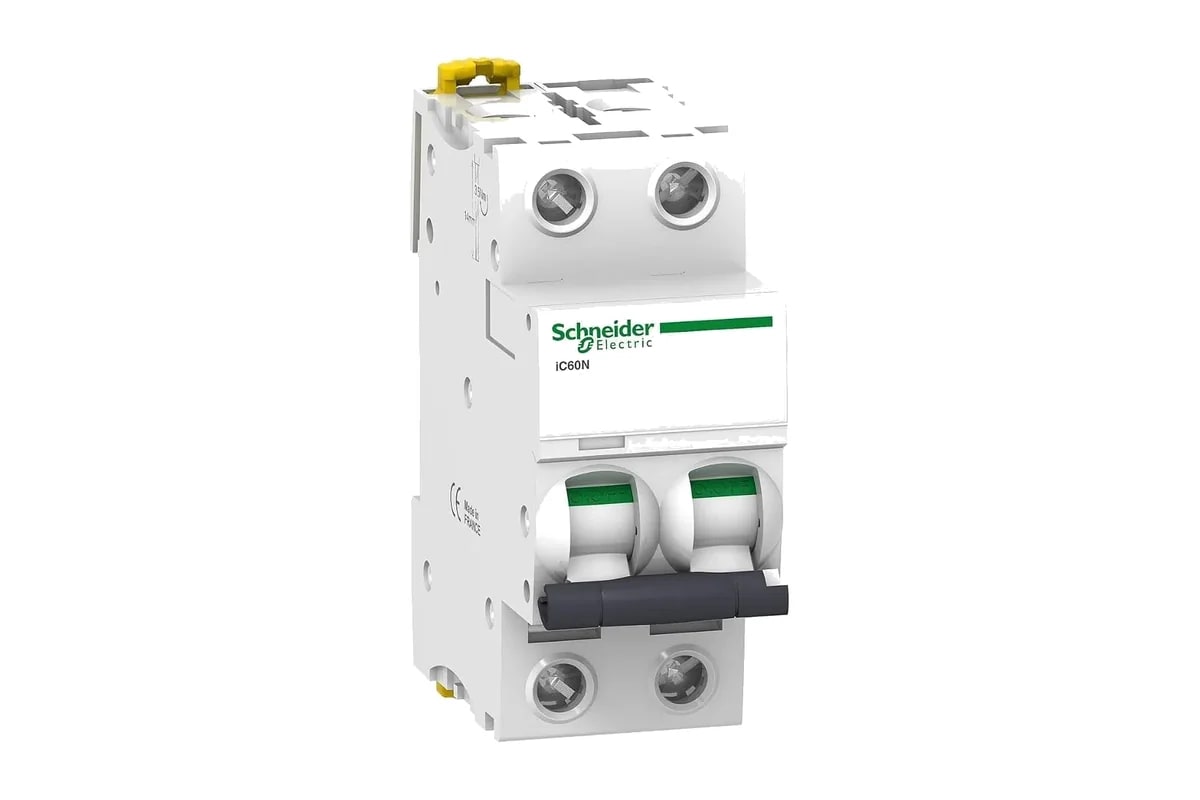
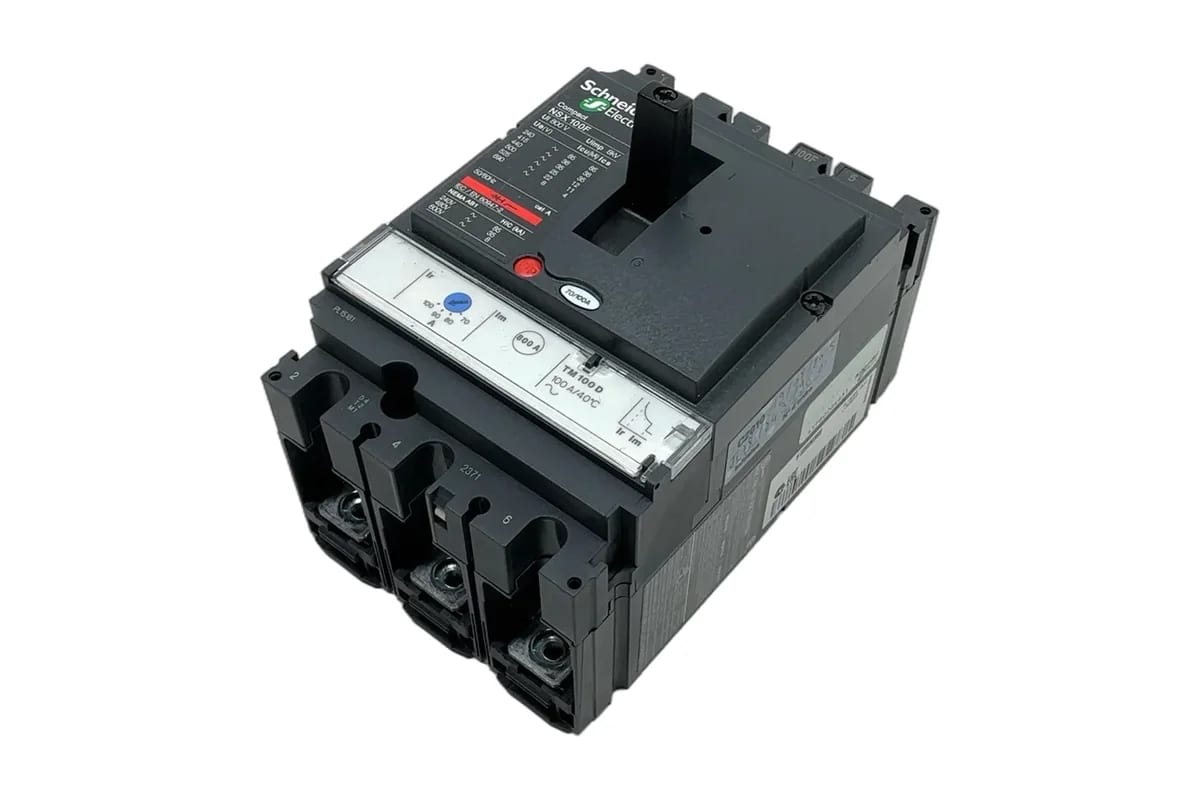
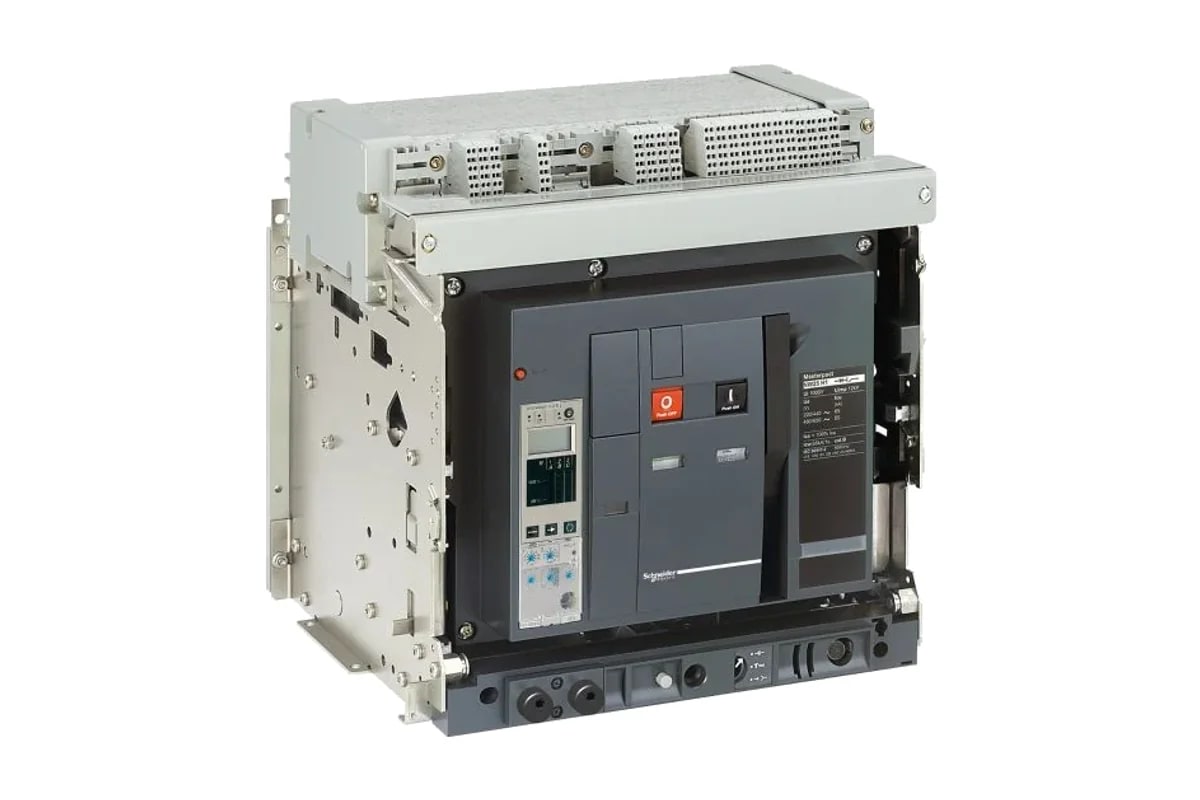
Circuit breakers (MCB, MCCB, ACB, VCB) | Make, carry and break normal and fault currents |
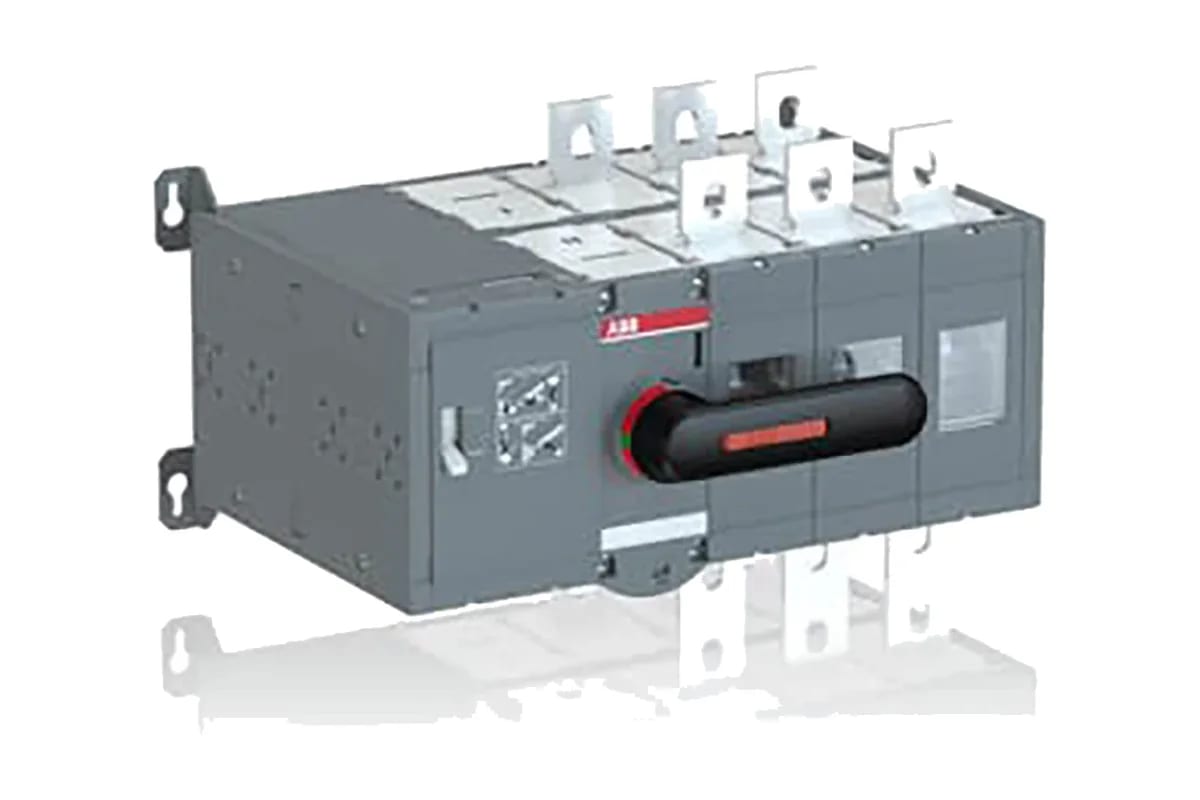
Isolators and switch disconnectors | Provide visible isolation; some can switch load |
Fuses (HRC) | Clear high fault currents quickly |
Contactors and starters | Frequent switching of motors and loads |
Protection relays | Sense faults and command breakers to trip |
CTs and PTs | Feed scaled current and voltage to meters and relays |
Busbars | Distribute power inside the assembly |
How to specify switchgear
- System voltage, frequency and earthing.
- Rated current of incomers and feeders; short-circuit rating (kA for 1 s).
- Breaker type, release and protection settings; metering.
- Form of separation, IP rating and installation conditions for panel assemblies.
- Approved makes and the single-line diagram.
What to send for a quotation
The SLD, feeder schedule, fault level and approved makes. Tirupati Power Enterprises supplies LT switchgear and manufactures PCC, MCC and APFC panels in Kolkata to IEC 61439 practice.
Frequently asked questions
What is switchgear in simple words?
The switches, breakers, fuses and relays that turn electrical circuits on and off and automatically disconnect them when a fault occurs.
What is the difference between LT and HT switchgear?
LT switchgear works up to 1 kV, usually 415 V, using MCBs, MCCBs and ACBs. HT switchgear works above 1 kV using vacuum or SF6 breakers.
What are the types of switchgear?
By insulation: air-insulated, gas-insulated (SF6) and vacuum; older oil types also exist. By voltage: LT and HT switchgear.
Is a circuit breaker switchgear?
Yes. A circuit breaker is the main switching and protective device within switchgear, alongside isolators, fuses, relays and CTs.
Specify your requirement
Send the rating, make, quantity and delivery location. Attach the drawing or datasheet where available.
Request a quote Or send it on WhatsApp ↗