Short answer: earthing (grounding) connects electrical systems and exposed metal parts to the general mass of earth, so that fault current has a low-impedance path, protective devices trip quickly and people are not exposed to dangerous touch voltages. There are two layers to choose: the earthing system (TN-S, TN-C-S, TT or IT) and the earth electrode method (pipe, plate, rod, strip or chemical earthing). In India, IS 3043 is the code of practice.
Earthing systems: TN, TT and IT
System | How it works | Typical use |
|---|---|---|
TN-S | Separate neutral and protective earth conductors from the source | Industrial plants with their own transformer |
TN-C-S | Combined PEN conductor from the source, split into N and PE at the installation | Many supply networks and buildings |
TT | Source earthed; installation has its own separate earth electrode | Sites without a reliable supply earth; needs RCDs |
IT | Source isolated or earthed through high impedance | Hospitals and process plants needing continuity on first fault |
Earth electrode methods
- Pipe earthing: a GI pipe driven or placed vertically in a pit with charcoal and salt or backfill; common and economical.
- Plate earthing: a copper or GI plate buried vertically at depth; used in substations and for high fault currents.
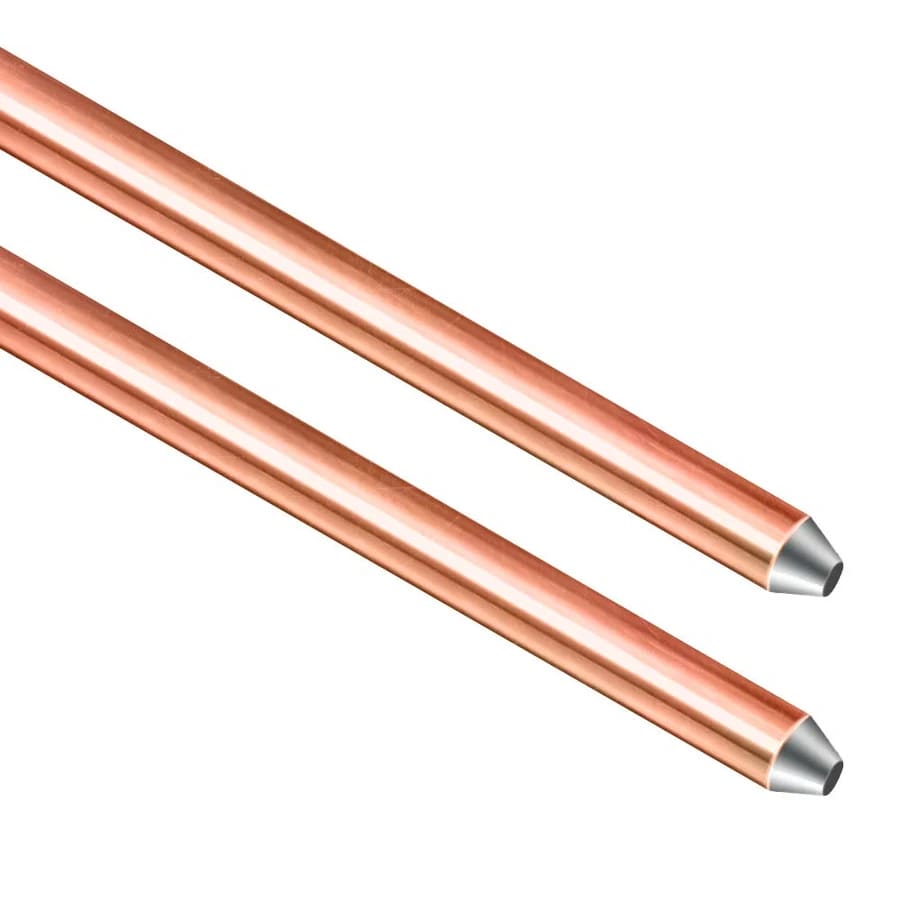
- Rod earthing: copper or copper-bonded steel rods driven into the ground, extendable for deeper, lower-resistance soil.
- Strip or conductor earthing: GI or copper strip laid horizontally in trenches; useful in rocky or shallow soil and for earth mats.
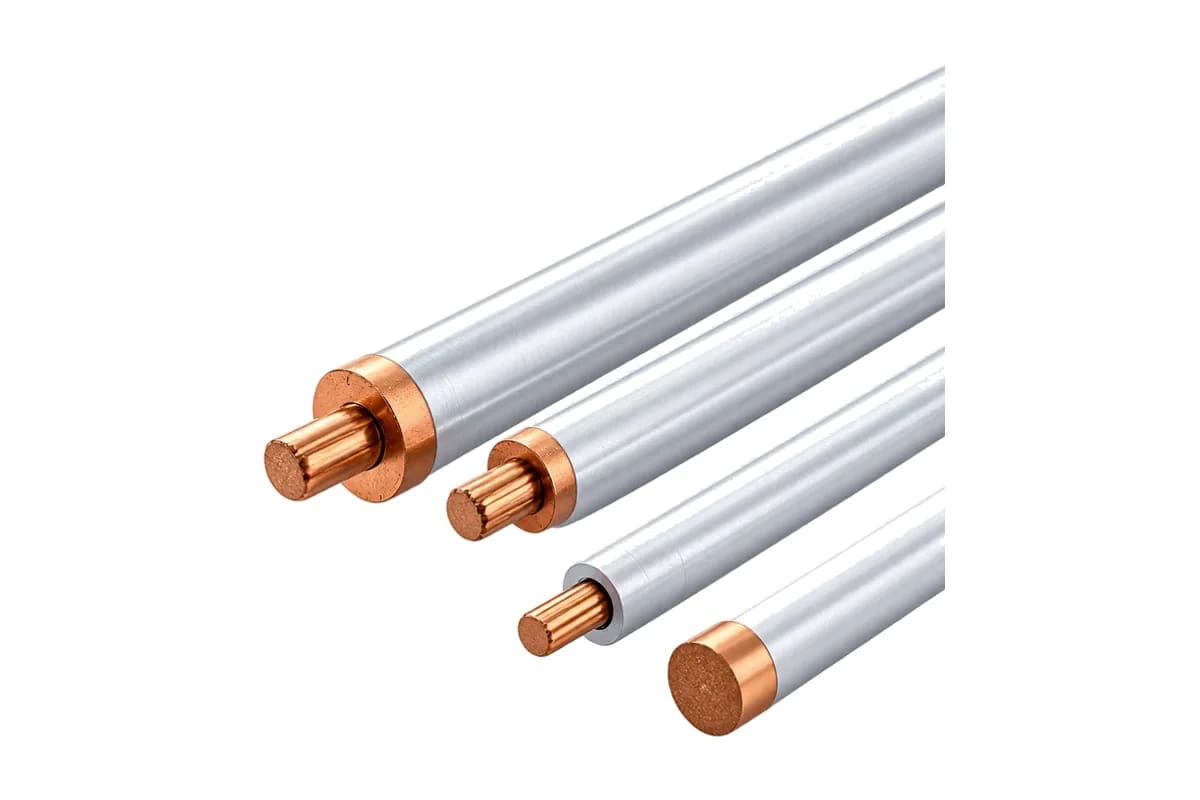
- Chemical (maintenance-free) earthing: an electrode with conductive backfill compound that keeps resistance stable with low maintenance.
Earth resistance and testing
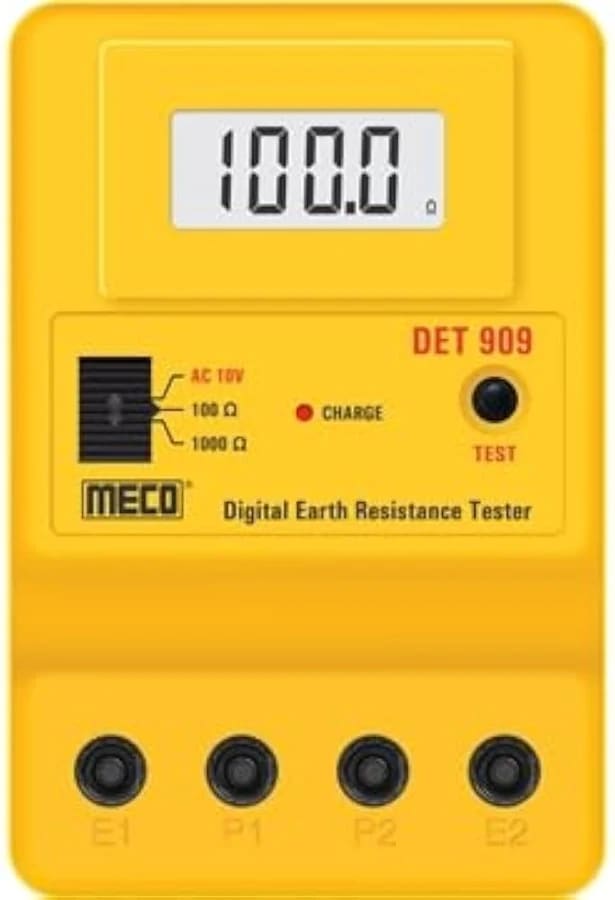
The required earth resistance depends on the installation and its protective devices; substations and sensitive installations need lower values than small buildings. Design to IS 3043 and the site study rather than a single figure. Measure resistance with an earth tester using the fall-of-potential (three-point) method, ideally in dry season, and record readings at every pit.
Earthing vs bonding vs lightning protection
Earthing gives fault current a path to ground; equipotential bonding ties metal parts together so no dangerous voltage appears between them; lightning protection (air terminals and down conductors) handles direct strikes and must connect to the earthing system.
What to send for a quotation
Number of pits, electrode type and material, depth, soil condition, backfill compound, strip size and length, and pit covers. Tirupati Power Enterprises quotes earthing rods, strips, chemical earthing, compound and earth testers from Kolkata.
Frequently asked questions
What are the types of earthing?
By system: TN-S, TN-C-S, TT and IT. By electrode method: pipe, plate, rod, strip and chemical (maintenance-free) earthing.
Which earthing is best for a factory?
It depends on the soil, fault level and system. Many plants with their own transformer use TN-S with rod or chemical electrodes and an earth grid, designed to IS 3043.
What is the difference between pipe and plate earthing?
Pipe earthing uses a vertical GI pipe and is economical; plate earthing uses a buried copper or GI plate with a larger contact area for higher fault currents.
How is earth resistance measured?
With an earth resistance tester using the fall-of-potential method, placing current and potential spikes at set distances from the electrode under test.
Specify your requirement
Send the rating, make, quantity and delivery location. Attach the drawing or datasheet where available.
Request a quote Or send it on WhatsApp ↗