Short answer: a lightning arrester (air terminal or lightning conductor) protects a structure from a direct lightning strike by intercepting it and carrying the current safely to earth. A surge protection device (SPD) protects the electrical installation and equipment from transient overvoltages caused by lightning or switching by diverting surge current to earth. Most industrial sites need both, coordinated under IEC 62305.
What a lightning arrester does
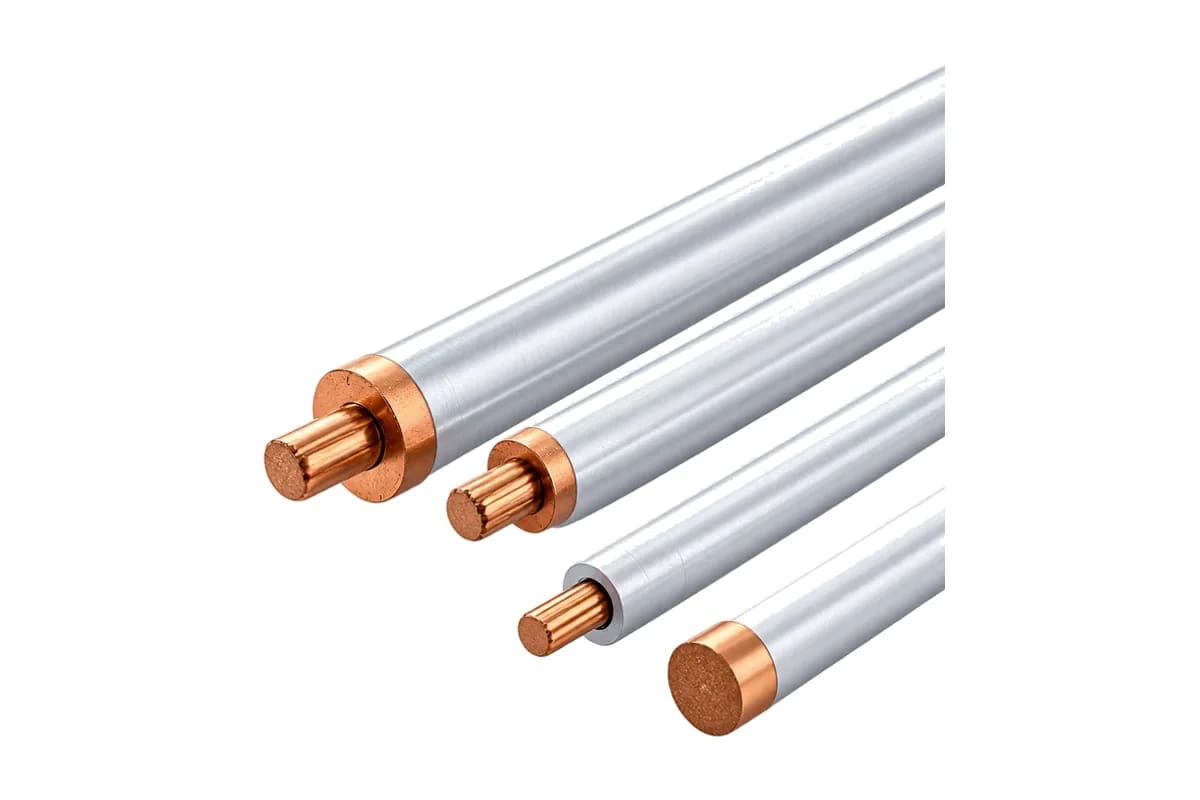
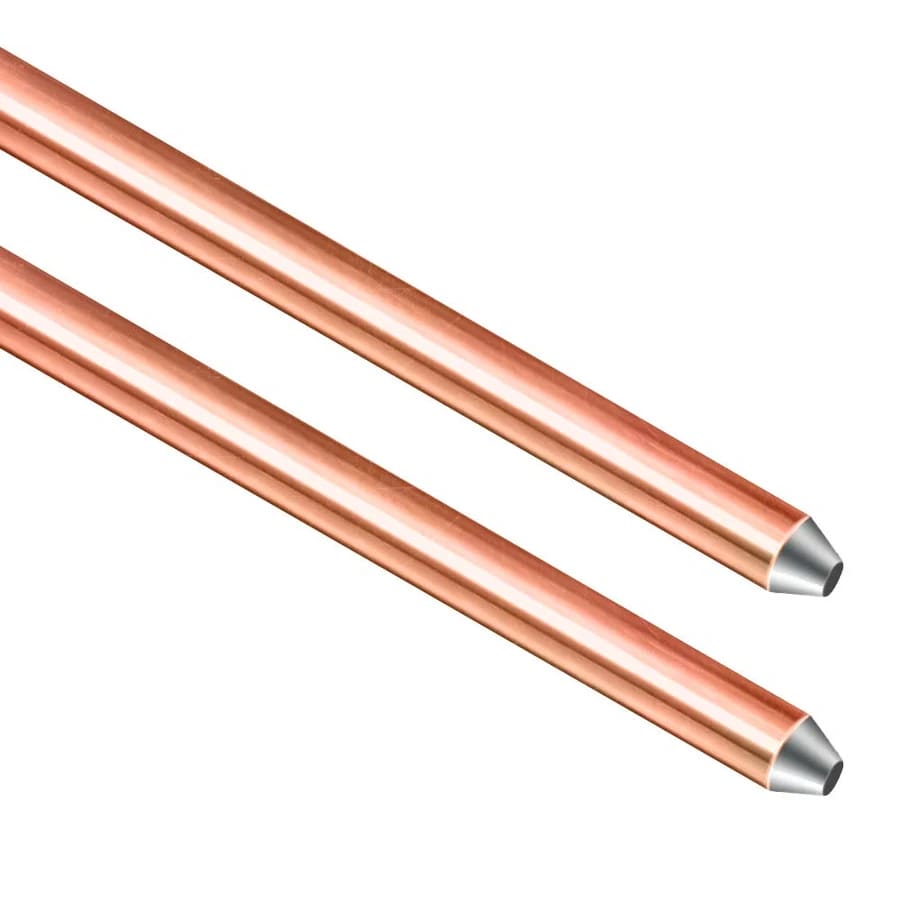
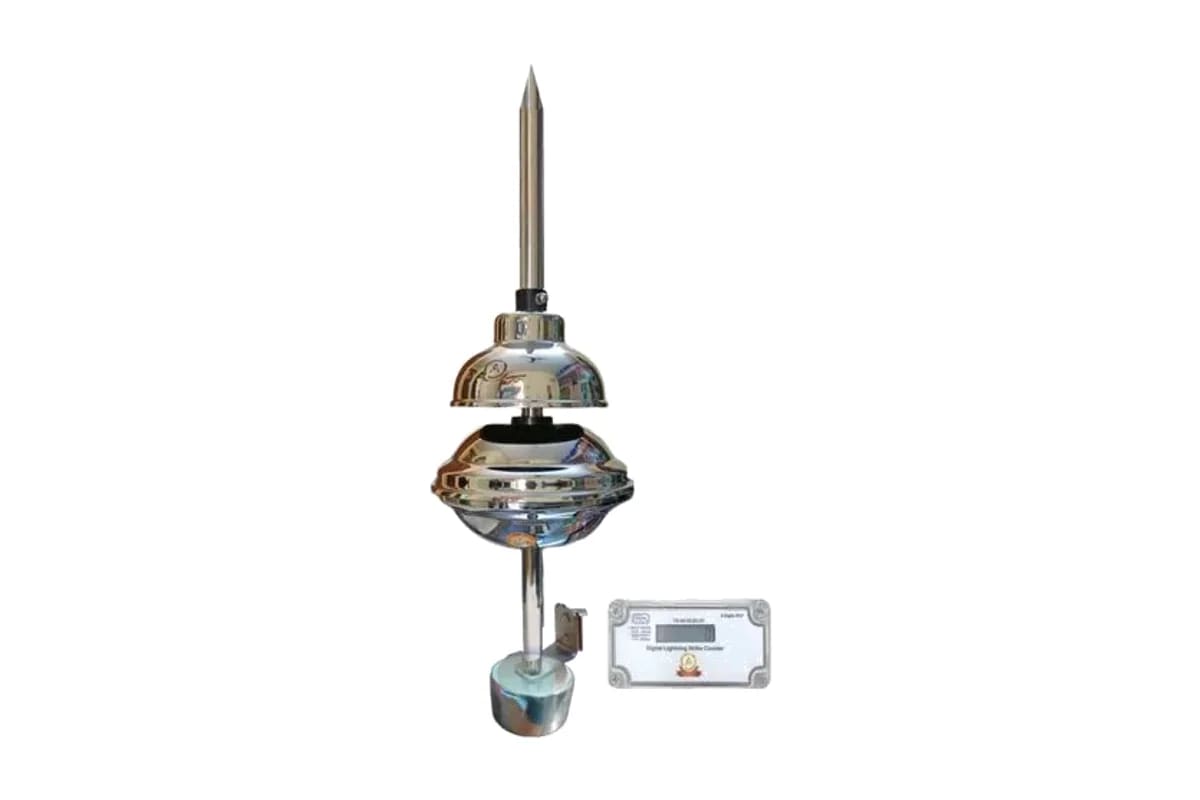
An external lightning protection system uses air terminals (Franklin rods or ESE terminals) on the roof, down conductors and an earth termination system. It does not stop lightning; it gives the strike a preferred, low-impedance path to earth so it does not pass through the building structure.
What a surge protection device does
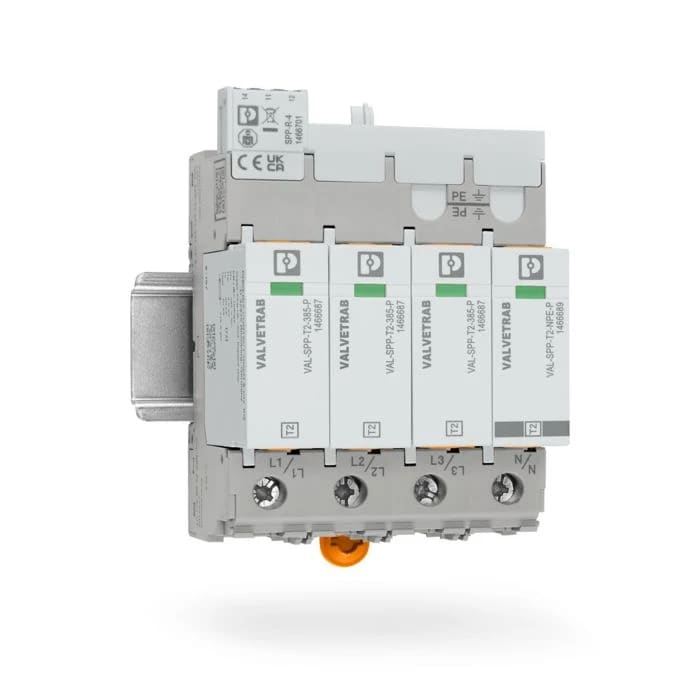
An SPD is installed in the electrical distribution system. Under normal voltage it is inactive. When a surge exceeds its threshold it conducts in nanoseconds, clamping the voltage and diverting surge current to earth, then returns to its idle state.
Comparison
Feature | Lightning arrester (external LPS) | Surge protection device (SPD) |
|---|---|---|
Protects | Structure from direct strikes | Electrical installation and equipment from overvoltage |
Location | Roof, down conductors, earth pits | Main panel, sub-distribution boards, near equipment |
Handles | Direct lightning current | Conducted and induced surges |
Standards | IEC 62305 | IEC 61643-11; IEC 62305-4 |
Needs | Low-resistance earth termination | Correct type, coordination and short connecting leads |
SPD types 1, 2 and 3
- Type 1: at the main incomer of buildings with external lightning protection; handles partial lightning current (10/350 µs).
- Type 2: at main and sub-distribution boards; limits induced and switching surges (8/20 µs).
- Type 3: close to sensitive equipment for fine protection.
- Combined Type 1+2 devices are common at main panels.
HT surge arresters on lines and substations
On 11 kV and 33 kV overhead lines and transformer yards, metal-oxide surge arresters (often called lightning arresters) are installed phase to earth to protect transformers and switchgear from lightning surges on the line. They are selected for system voltage and earthing under IEC 60099-4.
What to send for a quotation
For buildings: roof plan, height, protection level and existing earthing. For SPDs: system voltage and earthing, panel location, type and quantity. For lines: system voltage and mounting. Tirupati Power Enterprises quotes lightning arresters, SPDs and earthing materials from Kolkata.
Frequently asked questions
Is a lightning arrester the same as an SPD?
No. A lightning arrester protects the structure from direct strikes; an SPD protects wiring and equipment from overvoltage surges. They complement each other.
Do I need an SPD if I have a lightning arrester?
Usually yes. A strike on the building or nearby lines still sends surges into the electrical system, which only SPDs can limit.
Where is a Type 2 SPD installed?
At the main or sub-distribution board, connected between live conductors and earth with short leads and suitable backup protection.
What is an HT lightning arrester?
A metal-oxide surge arrester installed on HT lines and substations to protect transformers and switchgear from lightning surges.
Specify your requirement
Send the rating, make, quantity and delivery location. Attach the drawing or datasheet where available.
Request a quote Or send it on WhatsApp ↗