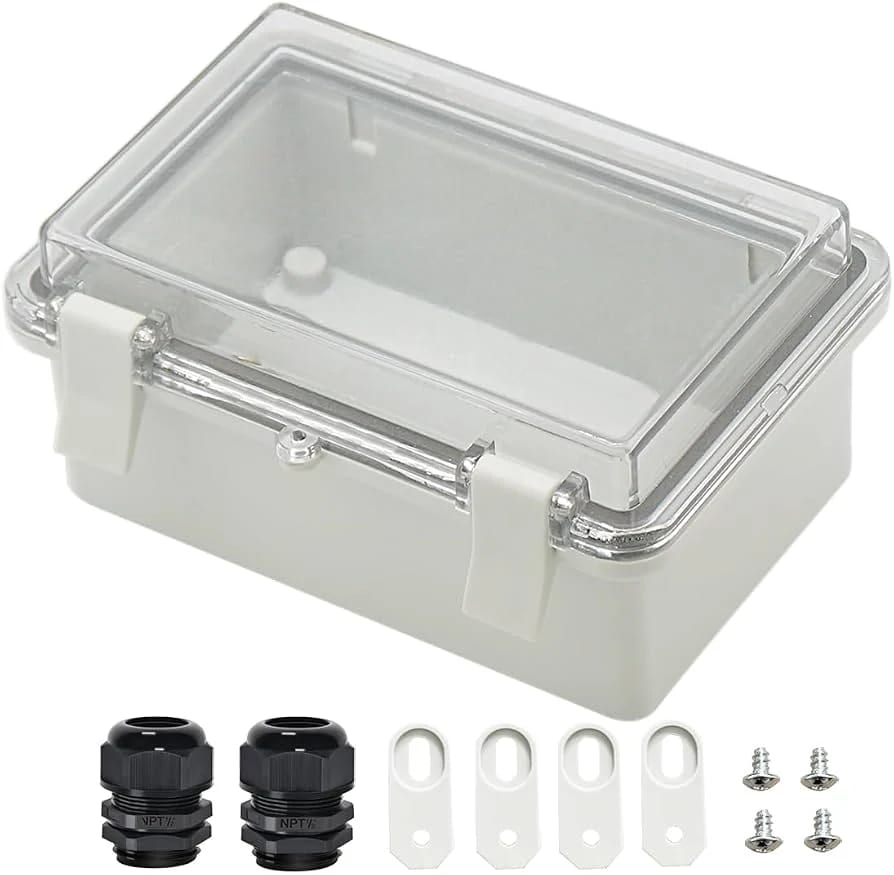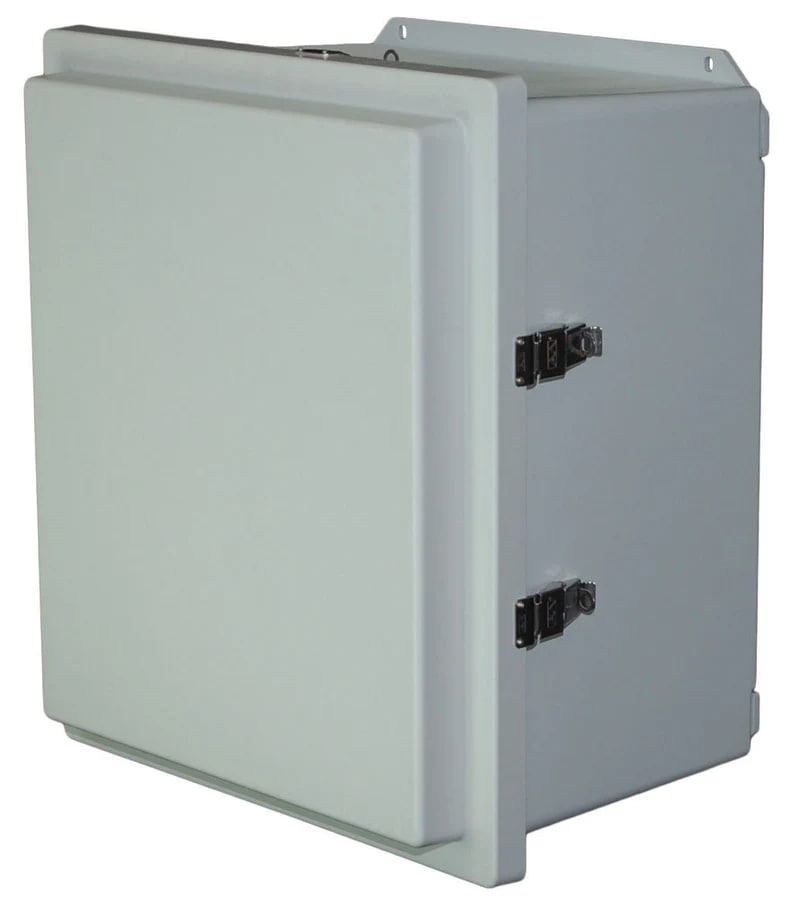
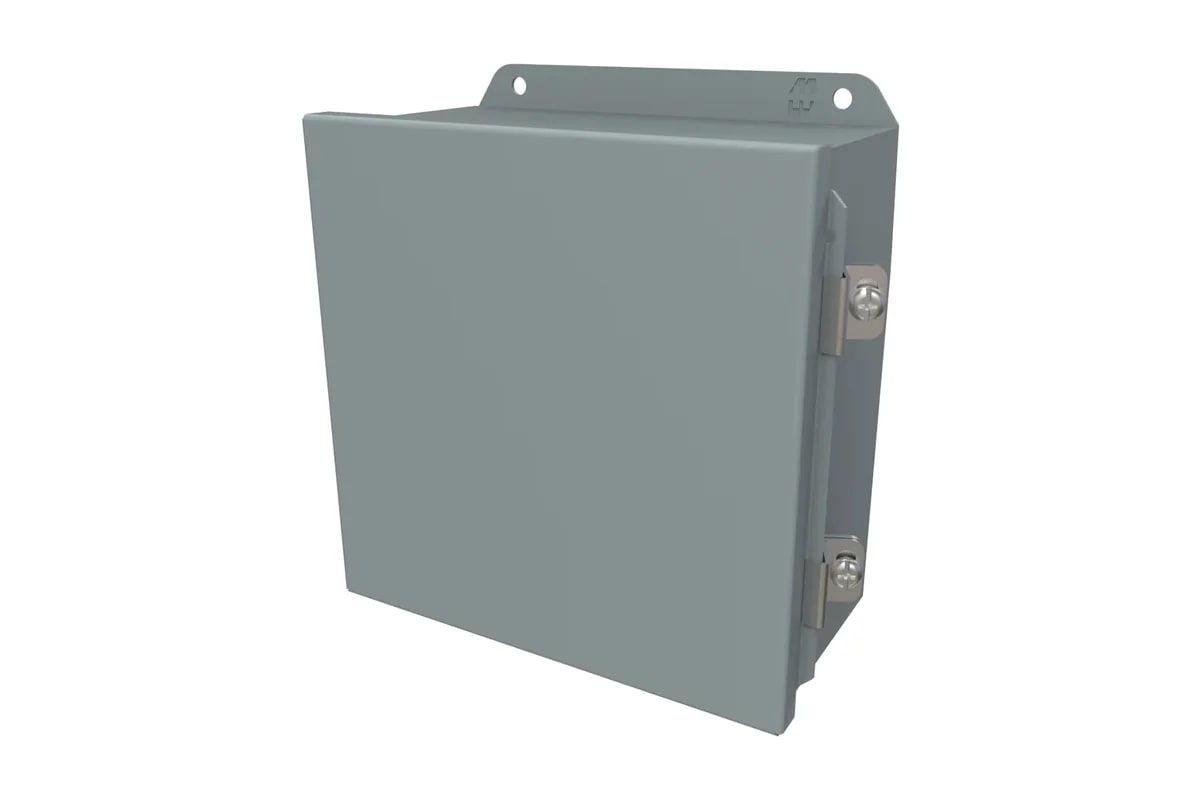
Short answer: an electrical junction box is an enclosure that houses wire and cable connections, protecting them from damage, dust and water and protecting people from live parts. Junction boxes are chosen by material (PVC, ABS, polycarbonate, mild steel, stainless steel, aluminium die-cast, FRP), by IP rating (IP54 to IP67 and above), by size and terminal count, and, in hazardous areas, by flameproof certification.
Types of junction box
Type | Material | Strengths | Typical use |
|---|---|---|---|
PVC / ABS | Thermoplastic | Light, low cost, no corrosion | Building wiring, indoor panels, lighting circuits |
Polycarbonate | Thermoplastic | Impact resistant, UV stable, transparent lid options | Outdoor and solar, washdown areas |
Mild steel / SS | Sheet metal | Strong, earthable; SS resists corrosion | Industrial plants, food and chemical areas |
Aluminium die-cast | Cast aluminium | Rugged, good heat dissipation | Motor terminals, outdoor industrial |
FRP / GRP | Glass-reinforced polyester | Chemical and corrosion resistant | Chemical plants, coastal sites |
Flameproof (Ex d) | Cast aluminium or steel | Contains internal explosions | Hazardous areas under IS/IEC 60079 |
IP ratings explained
The IP code under IEC 60529 has two digits: the first for solid particles (dust), the second for water. Higher numbers mean better protection.
- IP54: dust protected and splash resistant; indoor industrial areas.
- IP65: dust tight and protected against water jets; outdoor and washdown areas.
- IP66: dust tight and protected against powerful water jets.
- IP67: dust tight and protected against temporary immersion.
How to size a junction box
- Count the cables and conductors entering and the terminals needed; leave space for bending radius and future circuits.
- Plan cable entries: knockouts or drilled holes sized for the cable glands (PG or metric threads).
- Choose terminals rated for the conductor size and current, on DIN rail where practical.
- Allow heat dissipation for any devices mounted inside.
- Specify mounting, lid fixing, earthing stud and colour or labelling.
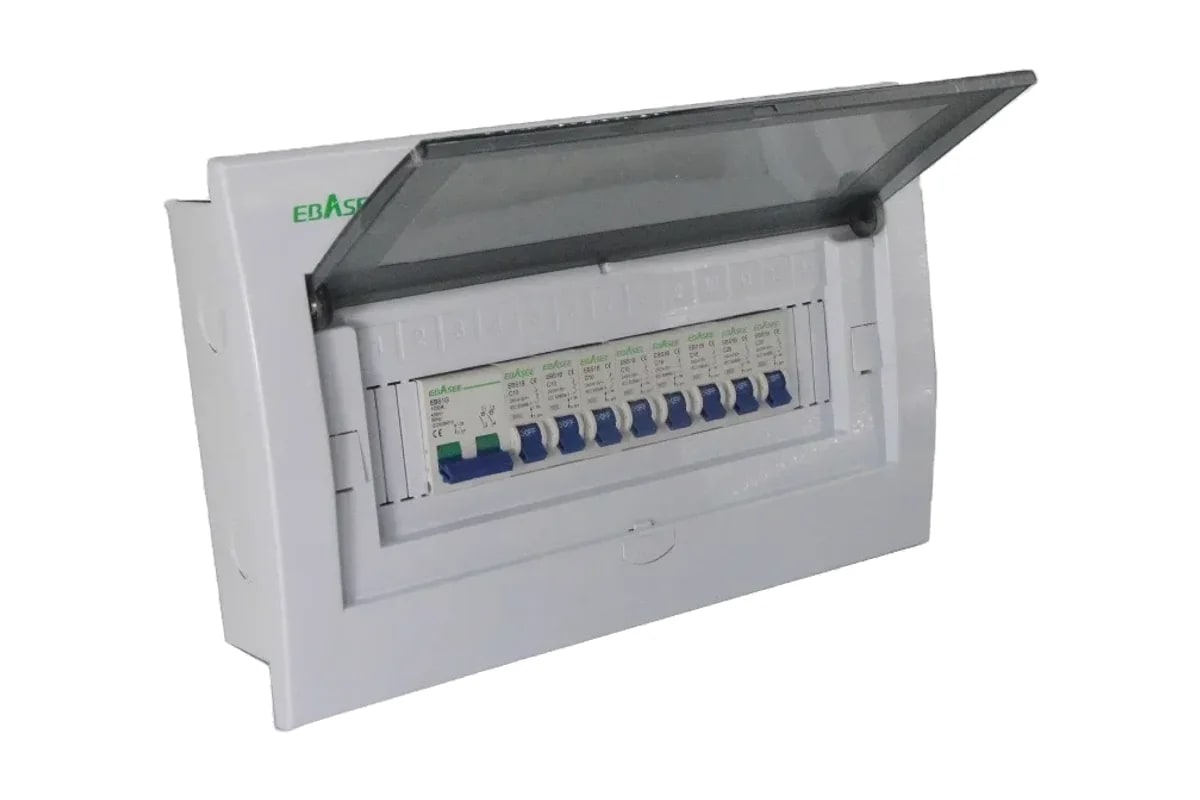
Junction box vs distribution board
A junction box only joins or terminates conductors. A distribution board contains protective devices such as MCBs and RCCBs to distribute power to circuits. Do not use a junction box where switching or protection is needed.
What to send for a quotation
Material, IP rating, internal size or terminal count, cable entries and gland sizes, mounting and quantity. Tirupati Power Enterprises quotes junction boxes, terminal blocks and cable glands from Kolkata with delivery across India.
Frequently asked questions
What is a junction box used for?
To house and protect electrical connections where wires or cables are joined or branched, keeping them safe from damage, dust and water.
What IP rating does an outdoor junction box need?
Usually IP65 or higher, so it is dust tight and protected against water jets. Use IP66 or IP67 for heavy washdown or temporary immersion.
Which is better, a PVC or metal junction box?
PVC is light, cheap and corrosion free for building wiring; metal is stronger and earthable for industrial use. Polycarbonate suits outdoor and UV exposure.
What is a flameproof junction box?
An enclosure designed to contain an internal ignition and prevent it reaching a surrounding explosive atmosphere, certified under IS/IEC 60079 for hazardous areas.
Specify your requirement
Send the rating, make, quantity and delivery location. Attach the drawing or datasheet where available.
Request a quote Or send it on WhatsApp ↗