The short answer
XLPE and PVC describe insulation materials. XLPE is cross-linked polyethylene; PVC is polyvinyl chloride. Common XLPE power cables have a higher permitted conductor operating temperature than conventional PVC insulated power cables. The correct choice still depends on the cable standard, installation, voltage and required current capacity.
Compare the cable, not just the material
The figures below describe common power-cable insulation ratings. They are not an ampacity chart or a substitute for the cable manufacturer’s datasheet.
| Specification | Common XLPE power cable | Common PVC power cable |
|---|---|---|
| Continuous conductor temperature | Typically 90°C under its rated conditions | Typically 70°C for conventional PVC insulation |
| Insulation construction | Cross-linked polyethylene | Polyvinyl chloride |
| Current capacity | Use the manufacturer’s table and installation derating | Use the manufacturer’s table and installation derating |
| Fire performance | Specify the required sheath and fire classification separately | Specify the required sheath and fire classification separately |
| Outer sheath | Can be PVC or another specified sheath material | Depends on the cable construction |
Check installation and protection
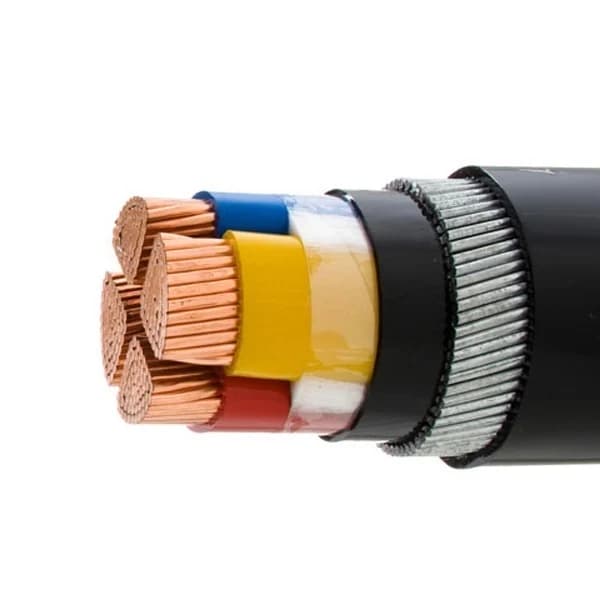
Cable size must satisfy load current, installation derating, voltage drop, fault withstand and protective-device coordination. Ambient temperature, grouping, burial depth and soil conditions can change the selection. Armour and sheath must suit mechanical protection and environmental needs. XLPE insulation by itself does not mean a cable is low-smoke, halogen-free or fire-resistant.
What to put in the enquiry
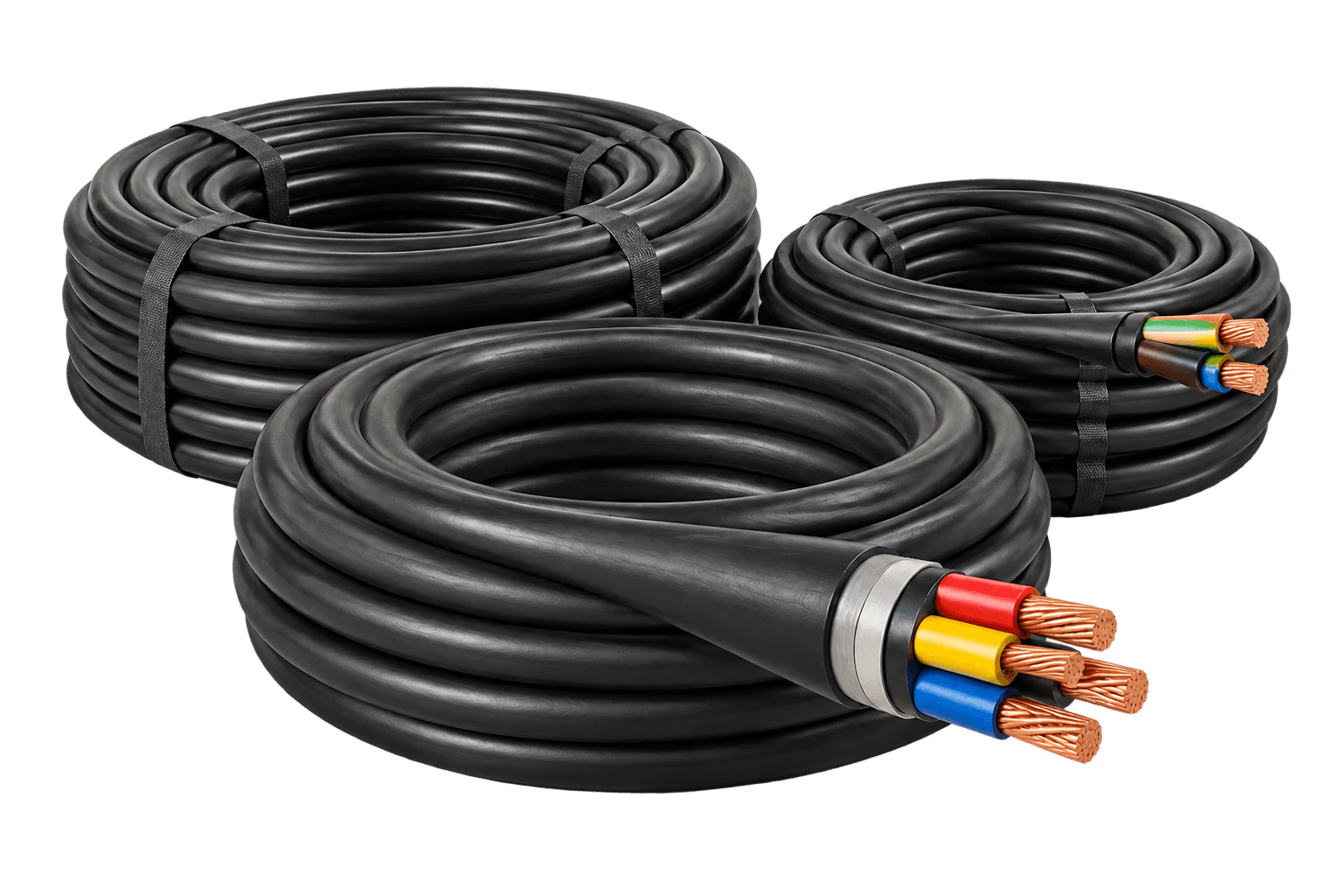
Specify copper or aluminium conductor, number of cores, cross-section, voltage class, XLPE or PVC insulation, armoured/unarmoured construction, sheath and fire-performance requirements, length and preferred make. Add the laying method and project location for application review.
Frequently asked questions
Does XLPE insulation always allow a smaller cable?
No. Cable size also depends on installation derating, voltage drop, short-circuit withstand and protection requirements. A qualified designer should verify the complete selection.
Can an XLPE cable have a PVC outer sheath?
Yes. Insulation surrounds the conductor and the outer sheath protects the assembled cable. XLPE-insulated cables can have a PVC sheath; specify each layer separately.
Technical references
Use the current documentation for the exact product and application.
Specify your requirement
Send the rating, make, quantity and delivery location. Attach the drawing or datasheet where available.
Request a quote