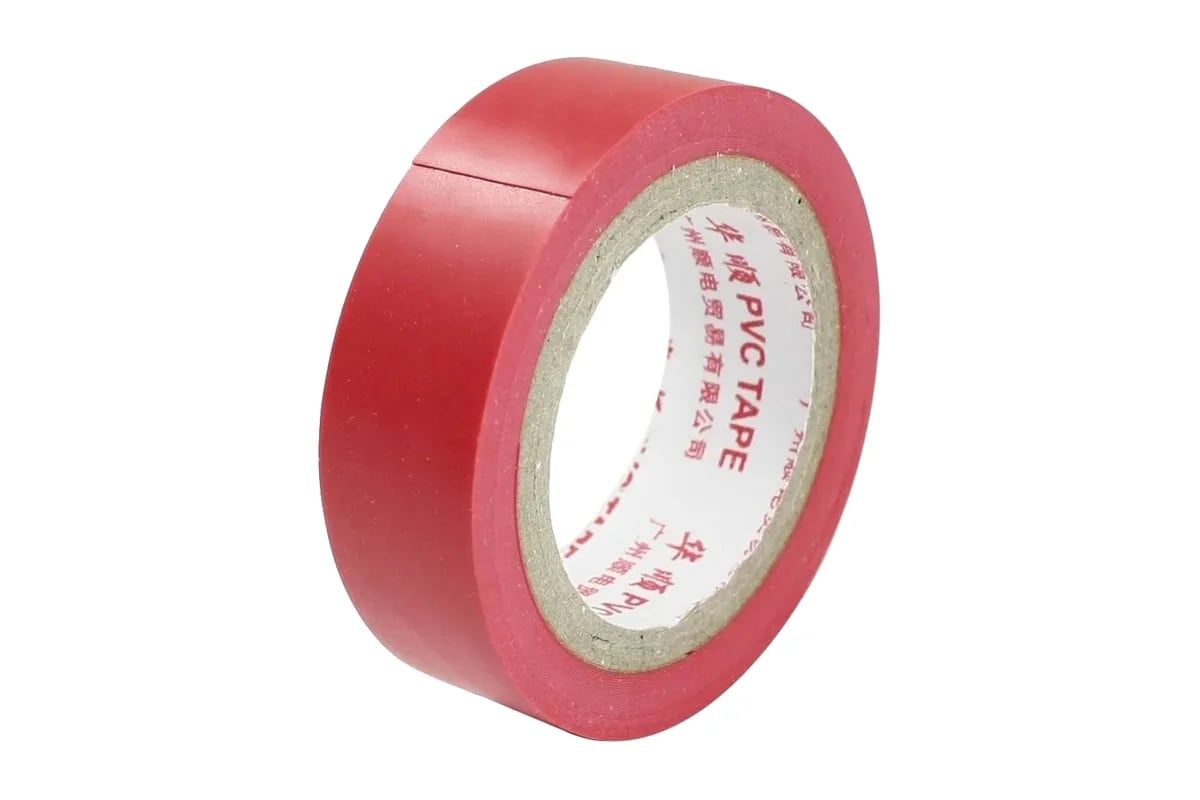
Short answer: insulation tape is a tape made from an insulating material, usually PVC with a pressure-sensitive adhesive, used to insulate and protect electrical conductors, joints and terminations. Beyond everyday PVC tape, industry uses cotton, glass fibre, polyester, Nomex and mica tapes in motor and transformer winding, and self-amalgamating rubber and mastic tapes in LT and HT cable jointing.
Types of insulation tape
Tape | Material and properties | Typical use |
|---|---|---|
PVC electrical tape | Flexible PVC with rubber-resin adhesive; stretches and conforms | Wiring joints, conductor insulation, colour coding |
Cotton tape | Woven cotton, impregnated with varnish in use | Binding motor and transformer coils |
Glass fibre tape | Woven glass; high temperature, Class H | High-temperature winding and coil binding |
Polyester and Nomex tape | High dielectric strength, thermally stable | Slot and coil insulation in motors and transformers |
Mica tape | Excellent heat and corona resistance | HT coils and fire-resistant cables |
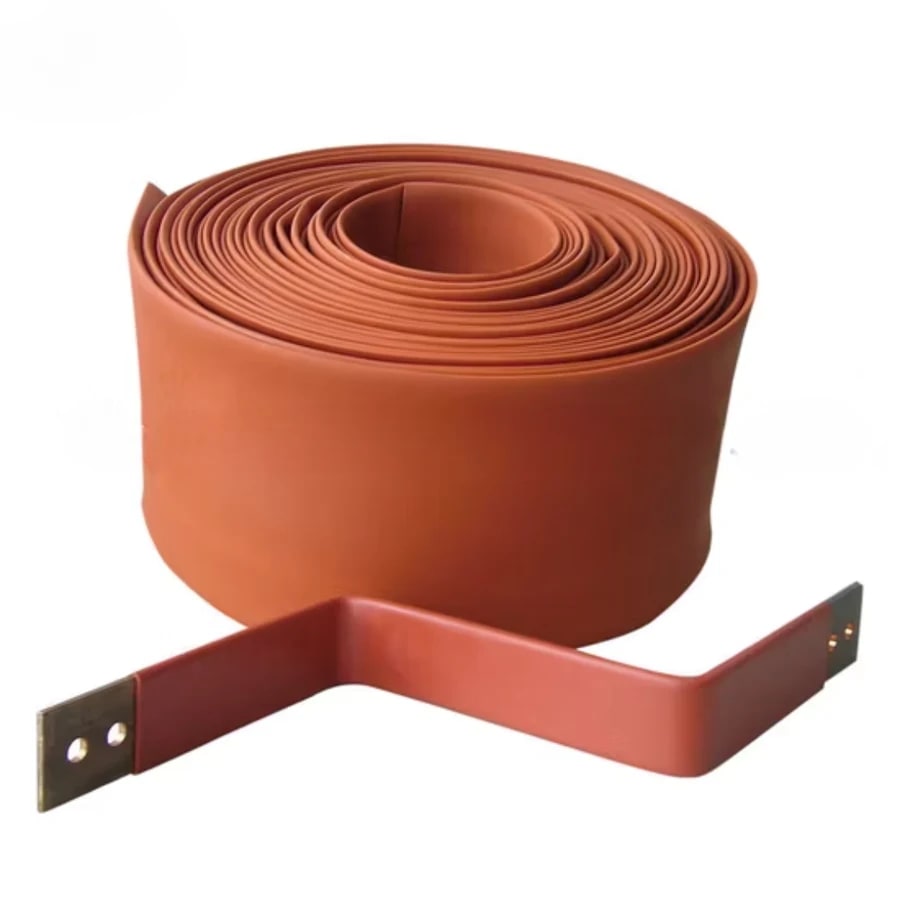
Self-amalgamating rubber tape | EPR rubber that fuses into a solid layer | Moisture sealing and LT/HT cable joints |
PTFE (Teflon) tape | Very high temperature, chemically inert | Heating elements, high-temperature terminations |
PVC insulation tape vs self-amalgamating vs winding tapes
Most buyers searching for "insulation tape" need one of three families. The table shows what each family does and where it fails.
Property | PVC electrical tape | Self-amalgamating rubber tape | Winding tapes (cotton, glass, polyester, mica, polyimide) |
|---|---|---|---|
Adhesive | Pressure-sensitive adhesive on PVC film | No adhesive; layers fuse when stretched | Usually none or thermosetting; held by varnish or resin |
Main job | Insulate and mark low-voltage joints | Seal moisture and build insulation in joints | Bind and insulate coils, slots and leads |
Weather and UV | Fair; grade dependent | Needs a PVC or UV-resistant over-wrap | Used inside machines, not exposed |
Temperature | Check the grade on the datasheet | Check the grade on the datasheet | Up to the insulation class of the material (glass and mica for high classes) |
Where it is wrong | HT joints, hot surfaces, permanent outdoor seals | Exposed final layer without protection | General wiring repairs |
How to choose insulation tape: step by step
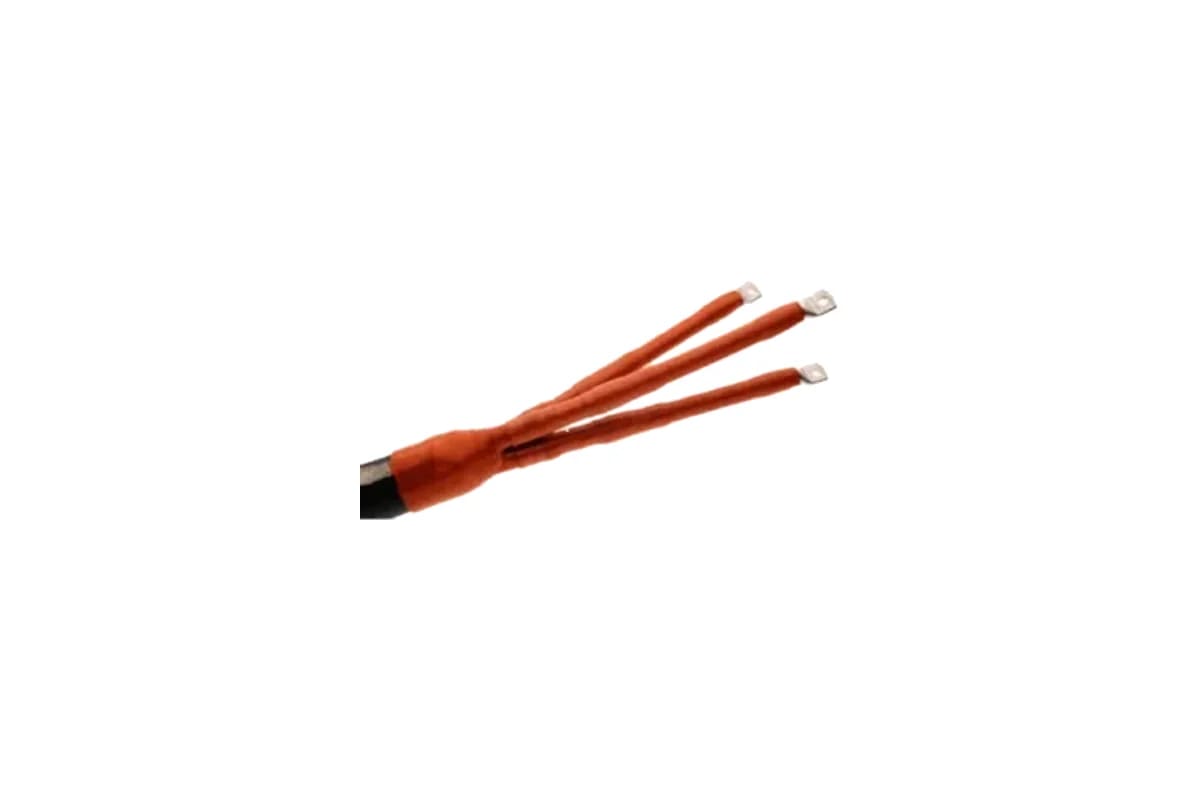
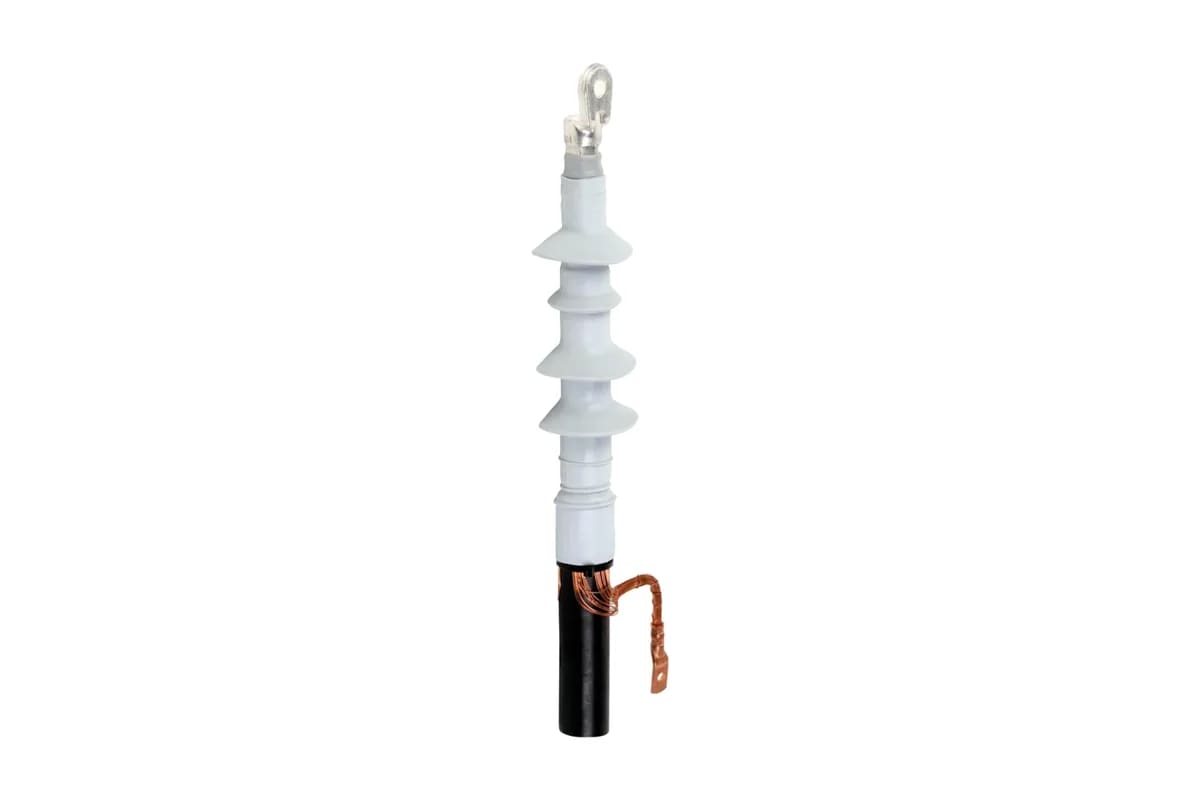
- Voltage and job. Low-voltage wiring and marking: PVC tape. Moisture seal or cable joint build-up: self-amalgamating tape inside a designed joint. HT (3.3 kV and above): use the complete heat shrink jointing kit or push-on kit the cable maker approves.
- Temperature class. For motor and transformer windings, match the tape to the machine insulation class (for example Class F or H) rather than to the supply voltage.
- Width and thickness. Narrow tape (around 12 to 19 mm) suits wiring; wider tape suits busbar and large joints. Thicker film resists abrasion but conforms less.
- Colour. Order phase colours together so every feeder in a panel is marked the same way.
- Standard and datasheet. Ask for the maker’s datasheet showing thickness, elongation, breakdown voltage, temperature and flame-retardance to IEC 60454.
- Quantity by roll length. Roll lengths differ by brand, so compare quotations by metres, not by rolls.
Common mistakes with electrical insulation tape
- Using PVC tape as the only insulation on an HT joint or termination.
- Taping over a dirty, wet or oily conductor, which lets the tape lift and trap moisture.
- Wrapping without overlap or tension, leaving voids that track or absorb water.
- Leaving self-amalgamating tape exposed to sunlight without an over-wrap.
- Using general-purpose tape on hot motor leads instead of a tape rated for the winding class, such as Kapton (polyimide) tape or glass tape.
- Treating tape as a repair for damaged cable sheath on a buried or armoured run; the cable needs a proper joint.
See the full range of electrical insulating tapes, insulating sleeves and the insulating materials category. We supply brands such as 3M where the project names an approved make. For HT jointing choices read LT vs HT cable termination kits.
Colour codes for phase identification
Coloured PVC tape is used to mark conductors where insulation colours are not available. Indian practice commonly uses red, yellow and blue for the three phases, black for neutral and green or green-yellow for protective earth. Follow the colour scheme used across the rest of the installation and the applicable wiring rules.
How to apply insulation tape correctly
- Clean and dry the surface; remove grease and sharp edges first.
- Start on existing insulation, then wind with about half-width overlap.
- Stretch PVC tape slightly as you wind so it conforms without voids.
- Build at least two layers over a joint, finishing with a light stretch so the end does not flag.
- For moisture sealing, use self-amalgamating rubber tape first and cover it with PVC tape for UV and abrasion protection.
Standards, ratings and limits
Pressure-sensitive electrical tapes are specified under IEC 60454. Check the maker’s stated thickness, breakdown voltage, temperature rating and flame retardance. PVC tape is intended for low-voltage insulation and repairs; HT cable joints need the full jointing kit or the designed tape system, not ordinary PVC tape.
Insulation tape HSN code and GST
Self-adhesive PVC insulation tape in rolls up to 20 cm wide is usually classified under HSN 3919 (often 3919 10 00), commonly at 18 percent GST. Other tapes, such as cotton, glass fibre or mica tapes, can fall under different headings by material. Confirm the exact classification and rate with your supplier’s invoice or tax adviser.
Sources
- IEC 60454-3-1: Pressure-sensitive adhesive tapes for electrical purposes, PVC film tapes
- CBIC: GST rates for goods
What to send for a quotation
Tape type and material, width, thickness, roll length, colour, temperature class or voltage requirement, quantity and approved makes. Tirupati Power Enterprises quotes PVC, winding, rubber and HT tapes with jointing kits and sleeves from Kolkata.
Frequently asked questions
What is insulation tape used for?
To insulate and protect electrical conductors, joints and repairs, to bind coils in motor and transformer winding, and to mark phases with colour.
What is the HSN code for insulation tape?
Self-adhesive PVC insulation tape is usually classified under HSN 3919, often 3919 10 00, commonly at 18 percent GST. Confirm with your supplier invoice or tax adviser.
Can PVC insulation tape be used on HT cables?
No. HT joints and terminations need a designed jointing kit or tape system, such as self-amalgamating, semiconducting and mastic tapes, not ordinary PVC tape.
Which tape is used in motor rewinding?
Cotton, glass fibre, polyester and Nomex tapes, chosen to match the winding insulation class.
Is insulation tape the same as electrical tape?
Yes. In India "insulation tape" and "electrical tape" usually mean the same PVC pressure-sensitive tape used on low-voltage wiring. Industrial buyers also use the term for winding tapes such as cotton, glass, mica and polyimide.
Is PVC insulation tape waterproof?
PVC tape resists water splashes but is not a long-term waterproof seal. For moisture sealing use self-amalgamating rubber tape covered with PVC tape, or a proper cable joint kit.
What width of insulation tape is used for wiring?
Tape around 18 to 19 mm wide is the common choice for wiring joints and phase marking. Narrower tape suits small conductors and wider tape suits busbars and large joints.
Which standard covers PVC insulation tape?
IEC 60454 covers pressure-sensitive adhesive tapes for electrical purposes; Part 3-1 covers PVC film tapes. Ask the maker for a datasheet stating the properties tested.
Specify your requirement
Send the rating, make, quantity and delivery location. Attach the drawing or datasheet where available.
Request a quote Or send it on WhatsApp ↗