Choose the sealing arrangement for the cable
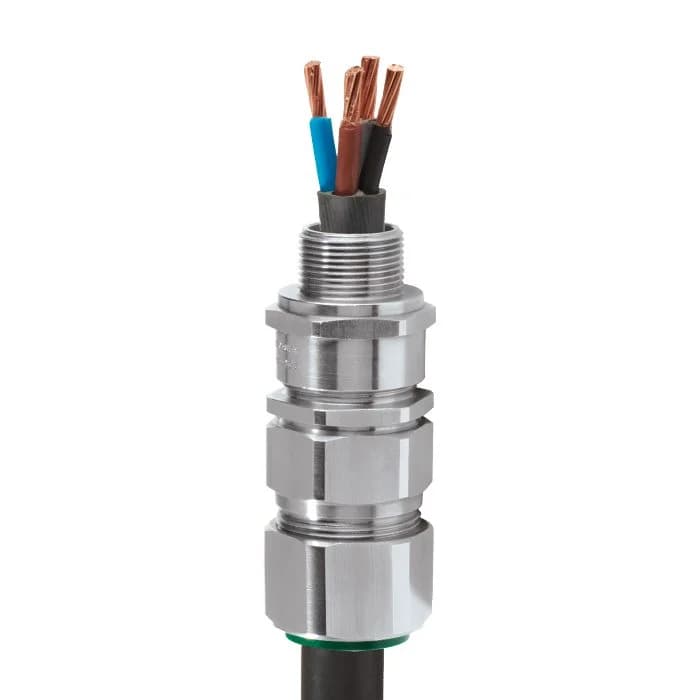
A double compression cable gland commonly provides sealing at the inner bedding and outer sheath of an armoured cable, alongside an armour clamping arrangement. A single compression design has a different sealing arrangement. These commercial descriptions vary between manufacturers, so choose from the exact gland drawing and datasheet. Confirm where the seals act, how the armour is retained and what protection the assembled entry provides.
The purchase decision starts with the cable construction and enclosure location. An indoor panel with an unarmoured cable and an outdoor junction box with an armoured feeder need different entry arrangements. The word double does not establish a hazardous-area approval, an ingress rating or compatibility with every armour type. Ask for the series reference and its stated application before comparing quotations.
Check the dimensions that determine fit
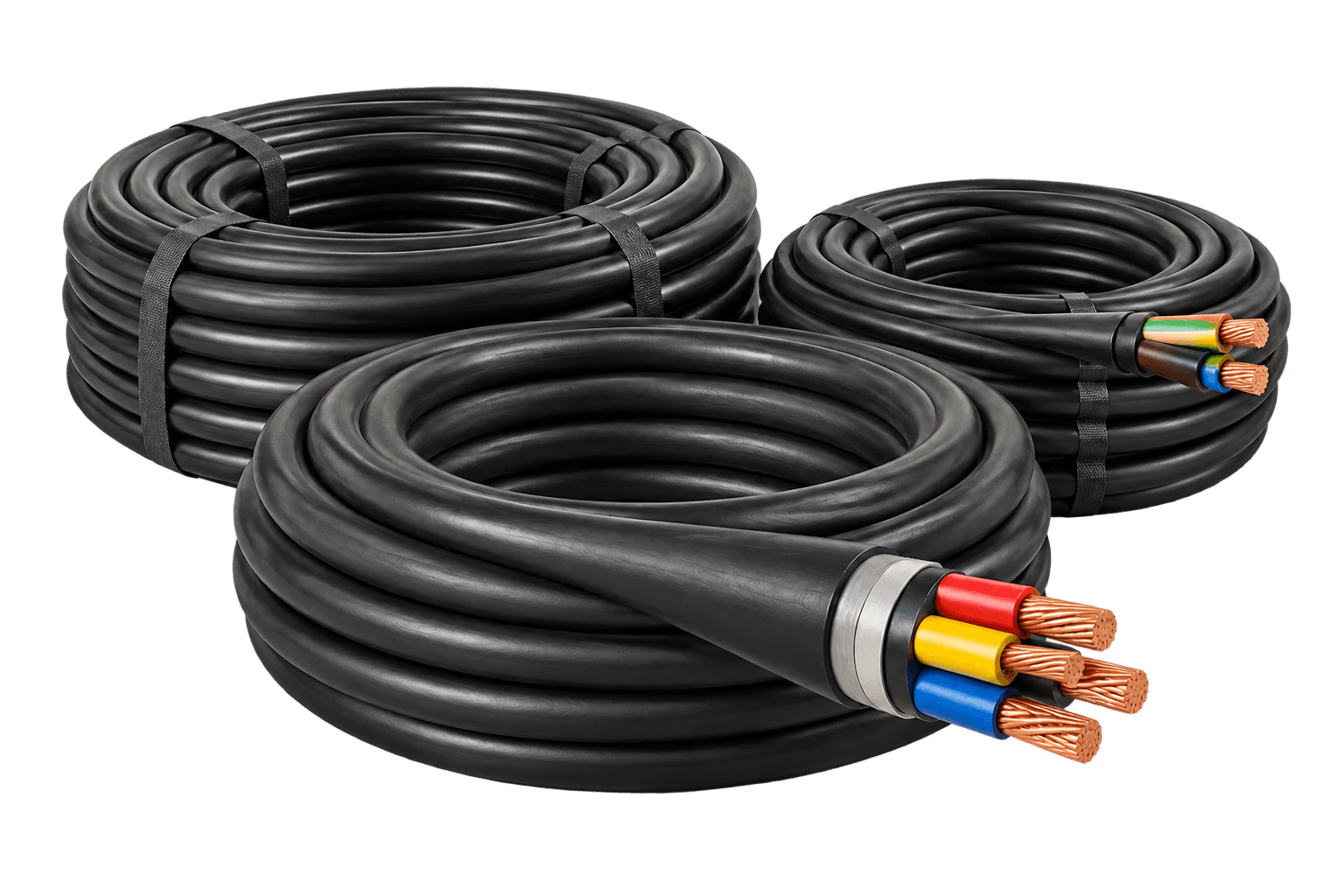
Measure the actual outer sheath diameter and obtain the cable manufacturer's construction sheet. Where a gland seals on the bedding beneath the armour, its bedding range must also fit. Check the armour type and the clamp's permitted range. CMP's published sizing examples list these fields separately, together with entry thread and physical dimensions. Each field answers a different installation question.
Conductor area in square millimetres cannot determine these dimensions. Core count, insulation thickness, voltage grade and sheath construction all affect cable diameter. Even cables with the same conductor size can require different glands. Use the existing cable gland size chart guide for the measurement process and then consult the chosen manufacturer's table. A nominal metric thread size describes the enclosure connection; it does not state the seal's cable range.
Review the enclosure and environment
Confirm whether the entry is a threaded hole or a clearance hole, then specify the thread system, size and usable length. Check gland projection and spanner clearance against adjacent entries. A gland that fits the cable can still be unsuitable for a crowded gland plate or a shallow enclosure. Include the plate thickness and any adapter arrangement in the installation drawing.
Water, dust, corrosion and ambient temperature affect the material and seal requirements. Specify the required ingress protection for the complete entry arrangement and the accessories needed to achieve it. Brass and nickel-plated brass are catalogue options, but material appearance alone cannot establish chemical suitability. Where the installation is in a hazardous area, the equipment protection concept and required certificates need a separate engineering review. Single or double compression terminology cannot replace that review.
An outdoor feeder example
Consider an armoured cable entering an outdoor motor junction box. The purchaser collects the cable datasheet, measures the sheath and bedding, and records the armour construction. The engineer identifies the sealing and earth-continuity requirements. The gland supplier can then propose a series whose dimensional ranges fit and whose documented protection suits the location. The quotation should name the gland reference, not simply state double compression brass gland.
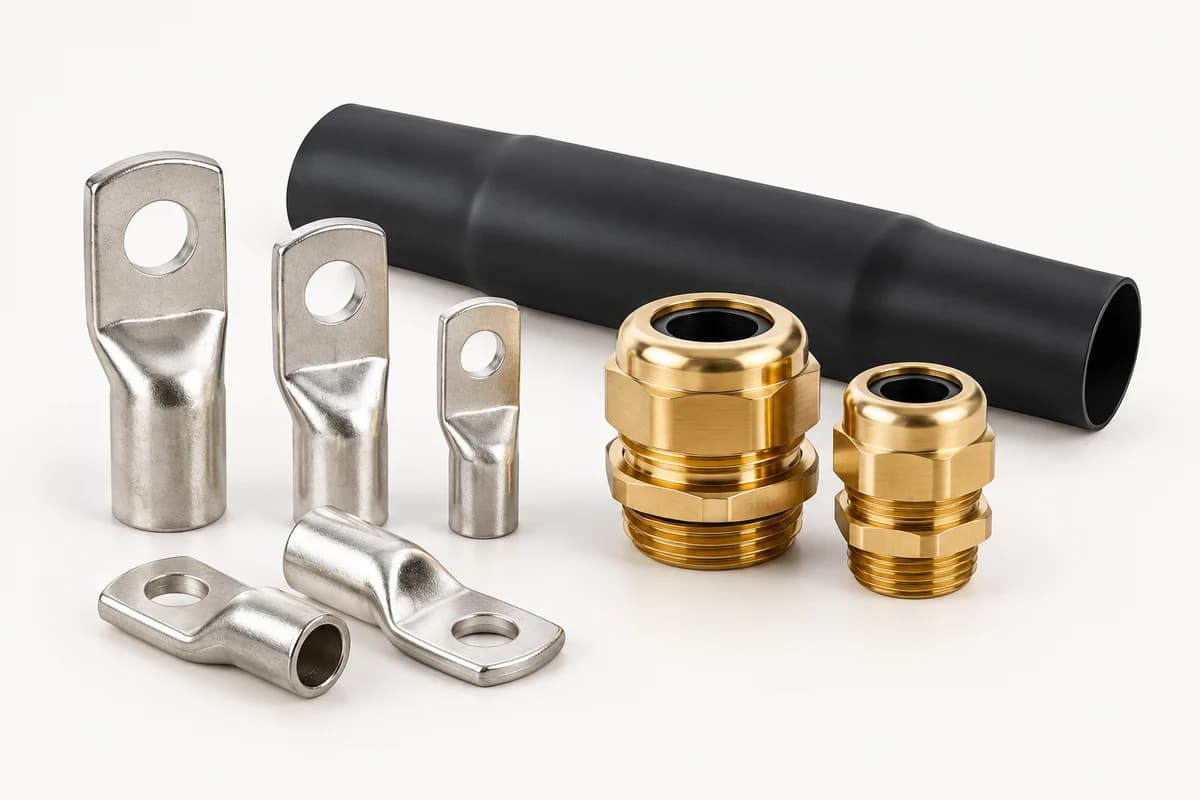
The installation team also needs the specified locknut, earth tag, entry seal and shroud where the design requires them. Confirm whether these are included or separate line items. A shroud does not replace the gland's seals or establish the enclosure's ingress protection. Check the manufacturer's preparation and assembly instructions before installation, including how the armour is formed and clamped. Retain the instruction sheet with the material schedule so the installer receives the same information used during selection.
Purchaser checklist and quotation details
For a replacement, photograph the cable marking and enclosure entry after safe access has been arranged. Record the installed gland reference if readable, but verify dimensions again when the cable make or construction has changed. Reusing a previous size without checking the new cable can leave either the inner or outer seal outside its working range.
Send Tirupati Power Enterprises a cable schedule and the details below. Ask the quotation to identify the gland series, material, accessories and documentation supplied for each line. Commercial availability, price and delivery require confirmation against the completed enquiry.
- Cable make, voltage grade, core count, outer diameter and bedding diameter where applicable.
- Armour type and dimensions, with the selected armour termination and earthing arrangement.
- Entry thread, plate thickness, gland clearance and required ingress protection.
- Indoor or outdoor location, environmental conditions, approval requirements and quantity.
Related products and buying guidance
Sources and further reading
Frequently asked questions
Is double compression always better?
Select the gland whose documented seals, armour retention, protection and dimensions suit the installation. A double compression description alone does not prove suitability.
Can conductor size identify the gland?
No. Use the cable's outer diameter, bedding diameter where relevant, armour details and enclosure thread with the exact gland series chart.
Does a double compression gland have hazardous-area approval?
Approval is specific to the gland series and certification. Check the equipment protection concept and certificate requirements separately.
Specify your requirement
Send the rating, make, quantity and delivery location. Attach the drawing or datasheet where available.
Request a quote