
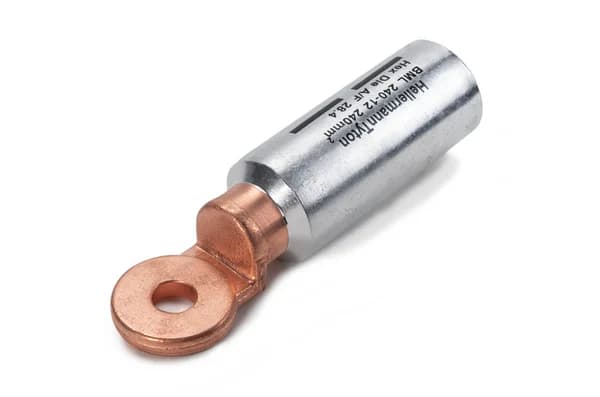
Copper Cable Lugs
Product-type reference. View source and pictured model ↗ The supplied make and configuration are confirmed in your quotation.
Match the lug to the copper conductor
Copper cable lugs connect a suitably specified copper conductor to a bolted electrical terminal. A compression lug uses a barrel that is compressed onto the prepared conductor with the approved tool and die system. Select the lug from the conductor material, cross-section and construction, then check the terminal interface.
Tirupati Power Enterprises’ combined cable lug range includes copper, aluminium and bimetallic types. The copper subtype is intended for enquiries where the cable and connection design call for a copper lug. Surface finish, barrel form and applicable conductor classes depend on the proposed series; none should be inferred merely from the copper material description.
Check conductor class and barrel construction
A lug specified for one conductor construction may not accept another, even when the nominal cross-section is equal. Flexible stranded cable, compacted conductors and other constructions require a compatible barrel and crimp system. Provide the cable datasheet or conductor class with the enquiry instead of using only a cable size.
Short and long barrels, inspection features and different lug shapes serve particular installation requirements. Where these features matter, state them explicitly or attach the approved lug drawing. The crimping die, tool capacity and crimp sequence must come from the selected manufacturer system. A die that happens to close around the barrel does not establish an approved connection.
Check the terminal before ordering
The lug palm must fit the terminal contact area and available clearance. Stud-hole diameter, hole count, hole spacing, palm width and any offset or bend affect the fit. A correctly sized barrel can still have a palm that is too wide for the equipment terminal or conflicts with adjacent conductors.
For example, a replacement lug on a closely spaced switchgear terminal may need a specific palm width or orientation. Share the terminal drawing and cable approach so that the proposed shape can be reviewed. Do not plan to drill or bend an unsuitable lug on site unless the equipment and lug manufacturer explicitly permit the modification.
Order and inspect the complete connection system
Send conductor size and class, required finish, barrel construction, terminal dimensions and quantities. Include the crimp tool and die reference when these are already approved, or request the matched tooling information for the proposed series. State any required insulation or termination-kit interface separately because a lug by itself does not complete every cable termination.
Qualified personnel should prepare, crimp and bolt the connection according to the selected instructions. Required strip length, crimp positions and bolt tightening values are equipment-dependent. Keep lug and tooling identification with the installation records. Inspection should check the specified workmanship and connection arrangement rather than apply a universal pull test or tightening value from an unrelated lug.
Before requesting a quotation
- Copper conductor cross-section and class
- Barrel type and compatible tool/die system
- Stud-hole diameter, count and spacing
- Palm dimensions, angle and terminal clearance
- Required finish and insulation interface
Sources and further reading
Selection references
Use the selected manufacturer’s current datasheet to confirm the exact model. These references explain selection principles.
Applications
- Copper cable connections to approved bolted terminals
- Panel and equipment power connections
- Cable termination assemblies with a matched lug specification
Questions about Copper Cable Lugs
Will any copper lug fit flexible copper cable?
No. Confirm the permitted conductor class and construction for the chosen lug series and tooling system.
Is stud-hole size the same as cable size?
No. Cable cross-section determines the conductor interface; stud-hole diameter determines the bolted terminal interface.
Can I use any hydraulic crimping die?
Use the tool and die combination approved for the selected lug and conductor. Tool force alone does not establish compatibility.
Relevant products and guidance
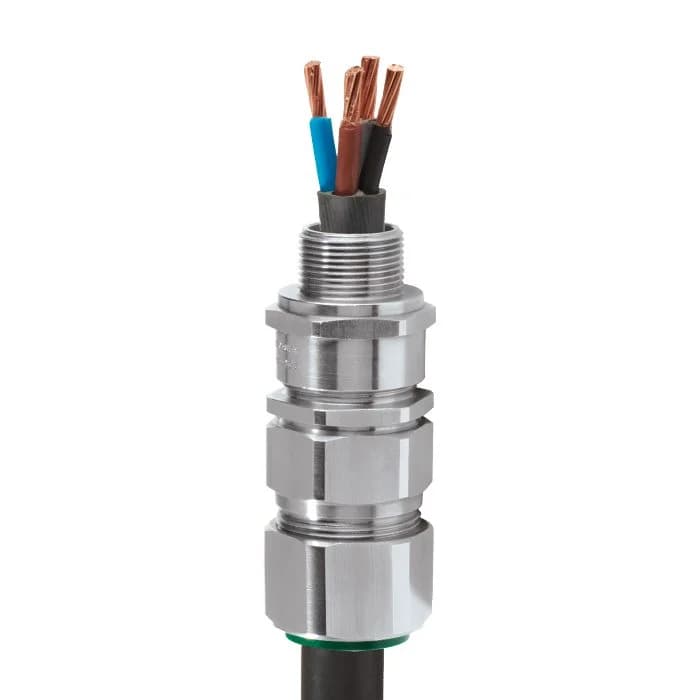
Prepare a clear BOQ, check technical substitutions and coordinate a Kolkata electrical-supply enquiry with Tirupati Power Enterprises.
Read articleCables & TerminationsLT vs HT cable termination kits: selection checksSpecify a cable termination kit by exact voltage grade, cable construction, dimensional range and indoor or outdoor duty. LT and HT labels alone are insufficient.
Read articleCables & TerminationsCable lug selection: copper, aluminium and bimetallicSelect a cable lug by conductor material, cross-section, terminal geometry and the manufacturer's crimping system. Prepare a complete enquiry before ordering.
Read articleNeed this for your application?
Share quantity, rating, preferred make and delivery location. The TPE team will respond with pricing and commercial details.