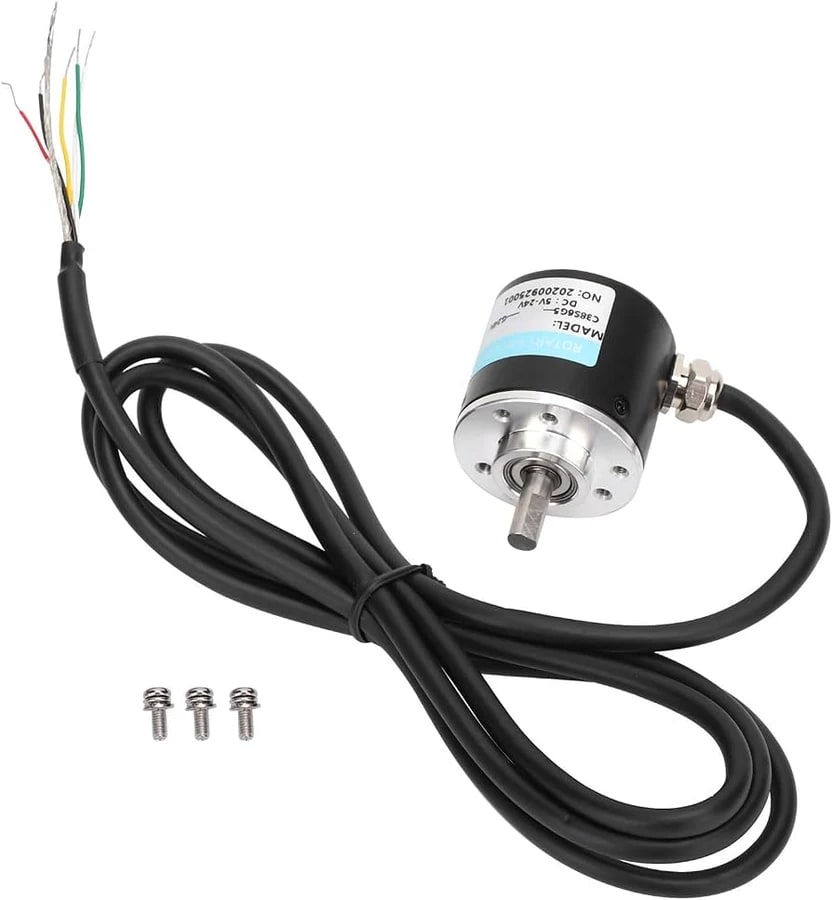
Short answer: a rotary encoder converts the rotation of a shaft into electrical signals that tell a controller how far, how fast and in which direction it has turned. Incremental encoders output pulses and count movement from a reference; absolute encoders output a unique code for every position and remember it after power loss.
Incremental vs absolute encoders
Feature | Incremental encoder | Absolute encoder |
|---|---|---|
Output | Pulse trains A and B, plus index Z | Unique digital position code |
Position after power loss | Lost; needs homing | Retained |
Resolution | Pulses per revolution (PPR) | Bits per revolution (single-turn) and turns (multi-turn) |
Interfaces | HTL push-pull, TTL line driver, open collector | SSI, BiSS, CANopen, PROFINET, EtherCAT |
Cost | Lower | Higher |
Typical use | Speed feedback, conveyors, cut-to-length | Robot joints, cranes, valves, positioning |
How an incremental encoder works
A disc with lines (optical) or a magnetic ring passes a sensor and produces two square-wave channels, A and B, 90 degrees apart. The controller counts pulses for distance and compares which channel leads for direction. A once-per-turn Z (index) pulse provides a reference. Resolution is stated in PPR, for example 1024 PPR; quadrature counting gives four times that.
Optical vs magnetic sensing
Optical encoders offer high resolution and accuracy but are more sensitive to dirt, condensation and shock. Magnetic encoders tolerate dust, oil and vibration better, with somewhat lower resolution, which suits heavy industry and outdoor use.
Output types and wiring
- HTL push-pull (10–30 V): robust over long cables to PLC inputs.
- TTL / RS-422 line driver (5 V): differential, high frequency, noise immune.
- Open collector NPN or PNP: simple, short distances.
- Use shielded twisted-pair cable and match the controller input type.
How to select an encoder
- Incremental or absolute, single-turn or multi-turn.
- Resolution (PPR or bits) and maximum speed.
- Shaft type: solid shaft with coupling, or hollow shaft mounted on the motor shaft.
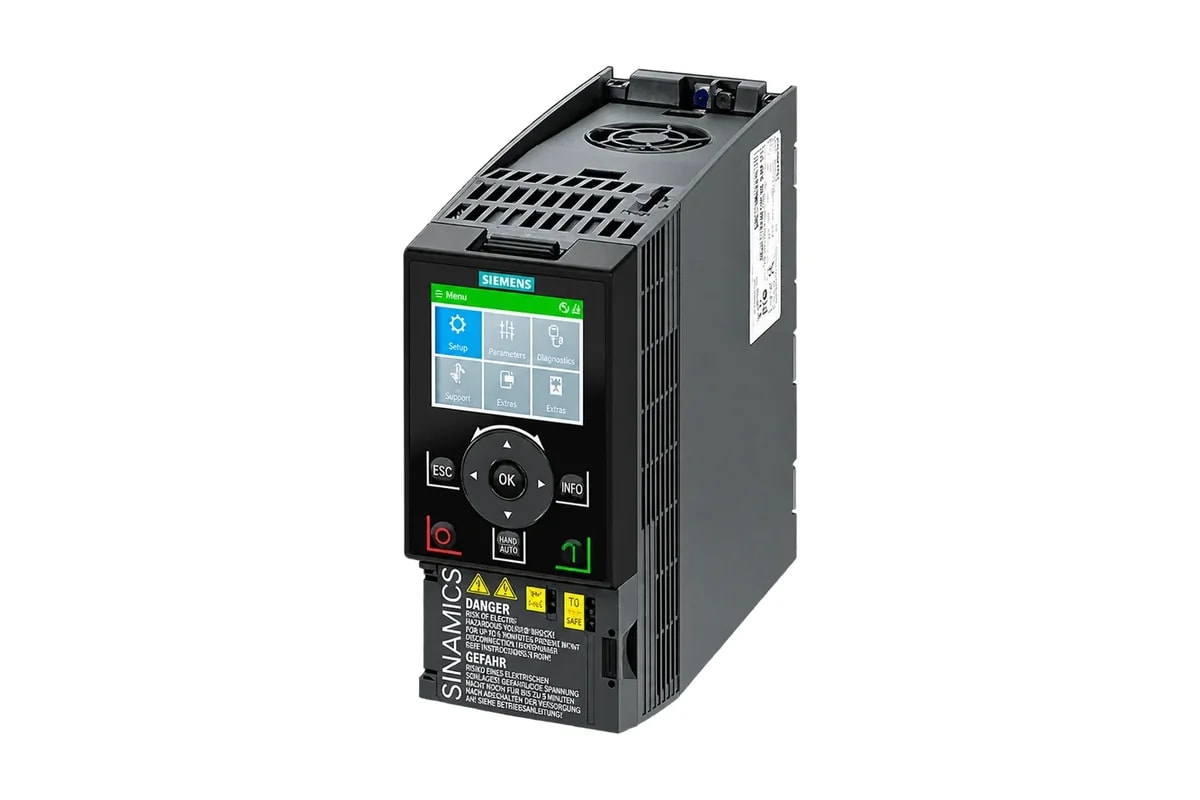
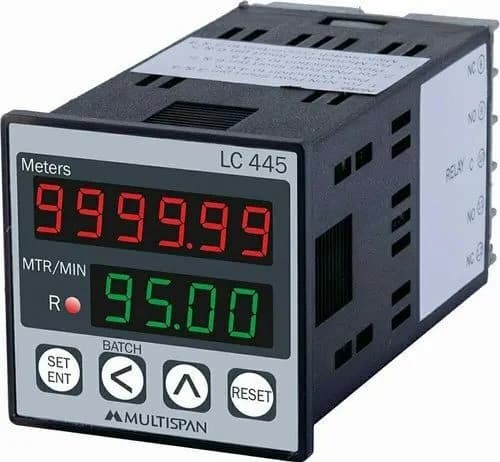
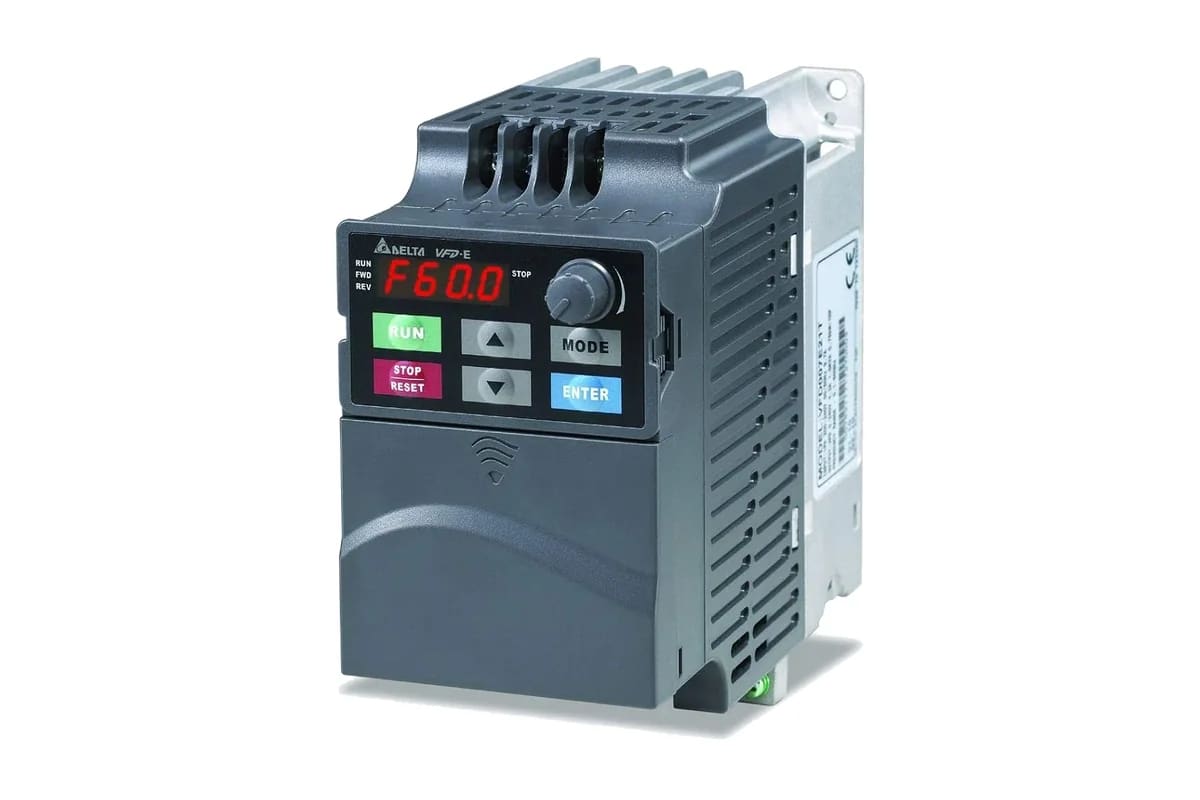
- Output and supply voltage matching the PLC, counter or drive.
- Environment: IP rating, temperature, shock and vibration.
What to send for a quotation
Type, resolution, shaft size and style, output and supply voltage, connection, IP rating and quantity, or the existing model number. Tirupati Power Enterprises quotes rotary encoders, counters and drives from Kolkata.
Frequently asked questions
What is the difference between incremental and absolute encoders?
Incremental encoders output pulses and need a reference after power loss; absolute encoders give a unique code for each position and keep it after power loss.
What does PPR mean in an encoder?
Pulses per revolution, the number of pulses an incremental encoder produces per channel in one full turn.
Where are rotary encoders used?
In motor speed feedback, conveyors, cut-to-length machines, cranes, printing machines, robots and valve positioning.
What is a hollow shaft encoder?
An encoder that slides directly over the motor or machine shaft, avoiding a separate coupling.
Specify your requirement
Send the rating, make, quantity and delivery location. Attach the drawing or datasheet where available.
Request a quote Or send it on WhatsApp ↗