Identify the function of the circuit
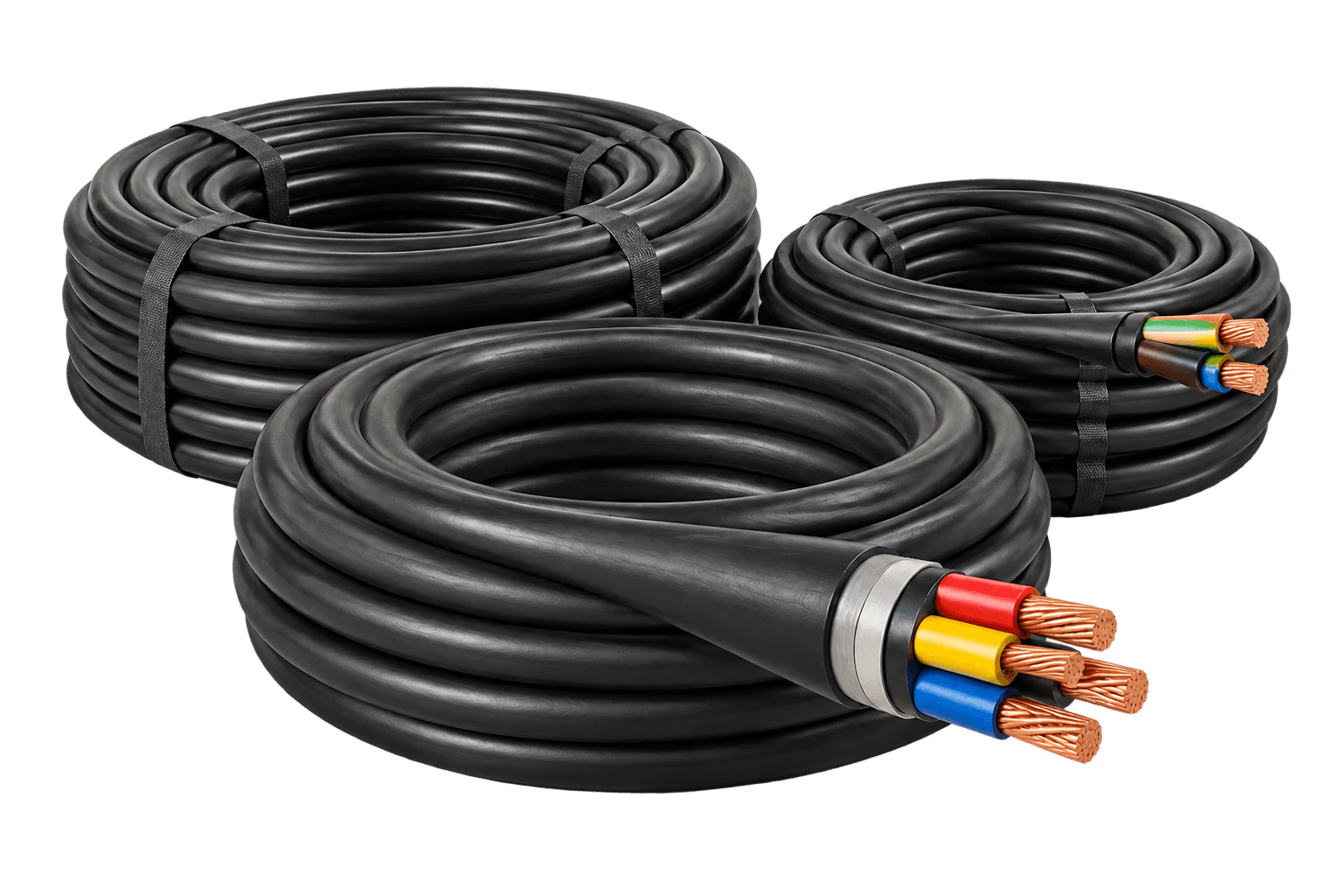
Power cables carry the supply to electrical loads. Control cables connect circuits for commands, interlocks, indications and other control functions. The distinction starts with the circuit duty, not simply the number of cores or the cable's appearance. A control cable still needs a suitable voltage rating, conductor selection and installation specification for the circuit it serves.
A machine can need both: a power feeder for its motor and separate conductors for start commands, limit switches and status indications. The engineering drawings should identify each run. Procurement can then use separate schedule lines for power and control cables, with core count, conductor area and construction stated explicitly. The broad description industrial cable gives too little information for a useful quotation.
Compare ratings and construction
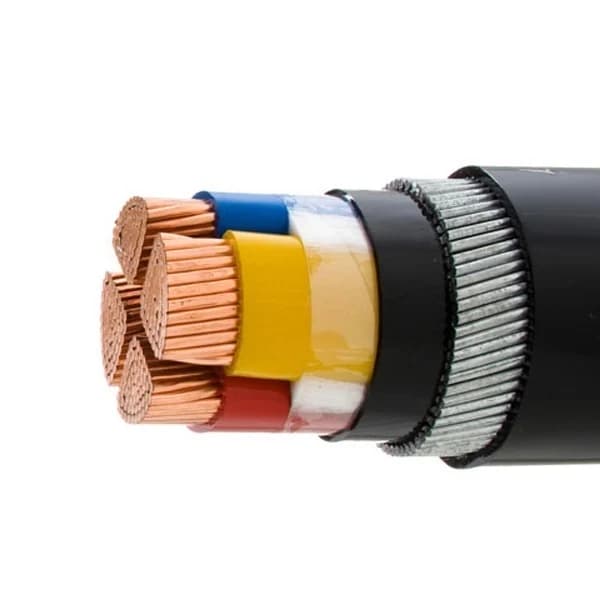
Power-cable selection includes operating current, voltage drop, short-circuit duty and protective-device coordination. Installation conditions determine the relevant rating and derating assumptions. The approved design should state conductor material, cross-section, voltage grade and core arrangement. A larger conductor does not make a cable suitable for any supply voltage; insulation construction and declared voltage rating remain separate requirements.
Control cable selection starts with circuit voltage and the current carried by each function. Cable length and circuit behaviour can affect conductor selection, particularly where voltage drop could interfere with coil operation or an input's expected signal. Core numbering or colour identification must match the wiring schedule. Spare cores should follow the project's requirement. KEI's control-cable information describes several construction and sheath options, which reinforces the need to name the intended product construction rather than treat all control cables as equivalent.
Separate control from instrumentation requirements
An analogue transmitter circuit or temperature signal may call for an instrumentation or thermocouple extension cable instead of a general multicore control cable. Pair or triad arrangement, screening, electrical characteristics and the measurement system matter. Thermocouple extension conductors must match the specified thermocouple type and extension requirements. Ordinary copper control conductors cannot be assumed to reproduce that function.
Screening requirements should come from the system designer and equipment documentation. Record whether individual pairs, the overall assembly or both need screens. Specify the bonding arrangement through the installation design. Armour provides mechanical protection and should not be treated as a universal substitute for an interference-control screen. Routing near drives and power circuits also needs review; buying a screened cable does not remove the need for a suitable segregation and termination arrangement.
A motor control installation example
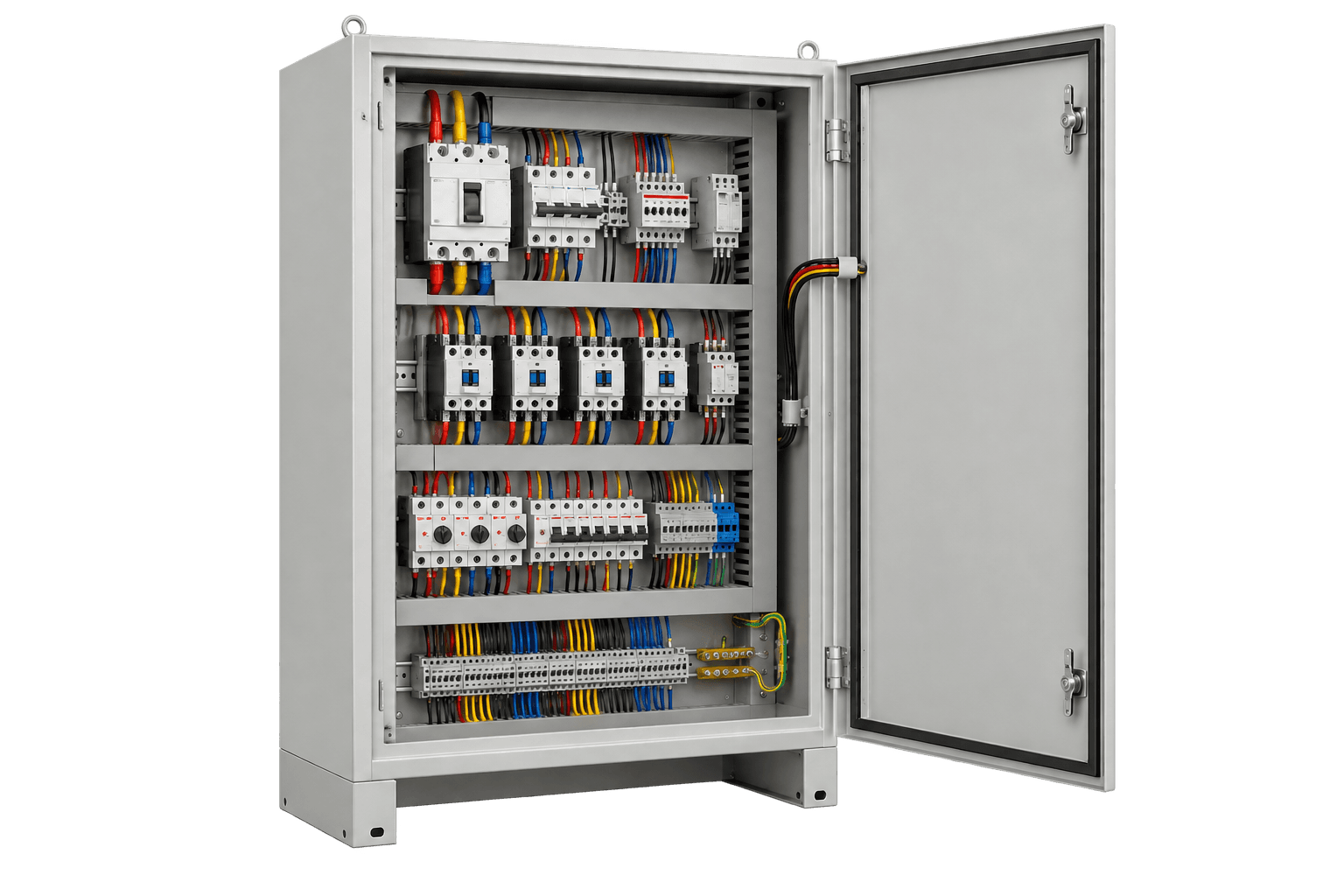
Consider a pump controlled from an MCC with a remote push-button station and a level transmitter. The motor feeder is selected as a power circuit. The push-button and indication wiring uses the specified control circuit cable. The transmitter connection is reviewed against its signal and screening requirements. Each run appears separately on the cable schedule, even though all three cables travel to the same equipment area.
The purchaser checks the cable ends as well as the route. A high core count must fit the terminal blocks and enclosure entry. Flexible or stranded conductors need terminals and end treatments approved for their construction. Glands must fit the actual cable diameter. Confirm sheath suitability for the plant environment and any movement along the route. A fixed-installation control cable is not automatically suitable for repeated flexing in a cable chain; obtain the manufacturer's stated duty for that application.
Purchaser checklist and quote details
Send the cable schedule together with the relevant wiring diagram and installation notes. Keep circuit identification consistent across drawings, labels and enquiry lines. State the approved manufacturer and documentation requirements if these form part of the project specification. When a supplier proposes a construction change, have the designer assess its electrical properties, terminal fit and installation duty before commercial acceptance.
Tirupati Power Enterprises' catalogue includes power and control cables, panel wires and instrumentation cable families. Use those families to start the enquiry, then identify the complete specification. Confirm whether the quotation covers cable only or includes entry accessories and termination materials. Price, length availability and delivery are commercial details to confirm after the technical scope has been agreed.
- Circuit function, operating voltage, conductor material, area and core count.
- Core identification, spare-core requirement and any pair, triad or screening arrangement.
- Armour, sheath, movement duty, environmental conditions and routing requirements.
- Length per run, approved make, terminal requirements and documentation needed.
Related products and buying guidance
Sources and further reading
Frequently asked questions
Can a control cable be used as a power cable?
Use a cable only where its documented ratings, conductor construction and installation suitability meet the circuit design. The control cable label alone cannot establish that approval.
Is instrumentation cable the same as control cable?
Instrumentation cables may have specified pair or triad arrangements, screens and electrical characteristics for measurement signals. Match the cable to the instrument and system specification.
Are all control cables screened?
No. Screening is a construction option. Specify the required screen arrangement and bonding design for the application.
Specify your requirement
Send the rating, make, quantity and delivery location. Attach the drawing or datasheet where available.
Request a quote