Define what the panel must control
A PLC control panel houses a programmable logic controller and the power, interfaces and wiring needed for its assigned automation functions. A usable specification describes the process sequence, operating modes, field signals, connected equipment and acceptance criteria. A PLC brand and an input/output count alone leave much of the engineering scope undefined.
PLC platforms offer different CPUs, I/O modules and communication options. Selection depends on the application, response requirements, memory, interfaces and expansion needs. An engineering reference to a particular platform does not establish that every feature is included in a proposed panel. Ask for the selected hardware and software scope to be listed against the process requirement.
Build an I/O schedule from the field devices
List every field signal with its equipment tag, description and electrical interface. Distinguish digital inputs, digital outputs, analogue inputs and analogue outputs. Identify contact type, supply source, voltage, signal range and any special requirements such as pulse counting. Analogue signals need their units and expected normal range as well as the electrical signal format.
For outputs, define what is driven: an interposing relay, contactor interface, valve or another device. The PLC output rating must suit the interface, including relevant switching duty. Record which supplies and protective devices belong inside the panel and which belong to the field equipment. Spare I/O and terminal space should be an agreed design allowance, not an unspoken assumption.
Describe modes, sequences and abnormal conditions
Write the process sequence in operational language before turning it into program logic. Define permissives, start and stop conditions, equipment order, timers, setpoints and status indications. Local, remote, manual and automatic modes need clear authority rules so that two interfaces cannot issue conflicting commands without a defined result.
Also describe communication failure, sensor failure, power restoration and interrupted sequences. State whether a batch resumes, resets or awaits operator action after a shutdown. Include alarm acknowledgement and any reset conditions. A list of normal actions does not describe how the machine should behave when the expected signal never arrives.
Keep safety and communications explicit
A standard PLC and ordinary control program should not be assumed to perform a required safety function. Emergency stops, guards and other safety-related functions need a risk-based design and suitable equipment. Define the boundary between process control and the safety system, including how safety status is exchanged and who is responsible for validation.
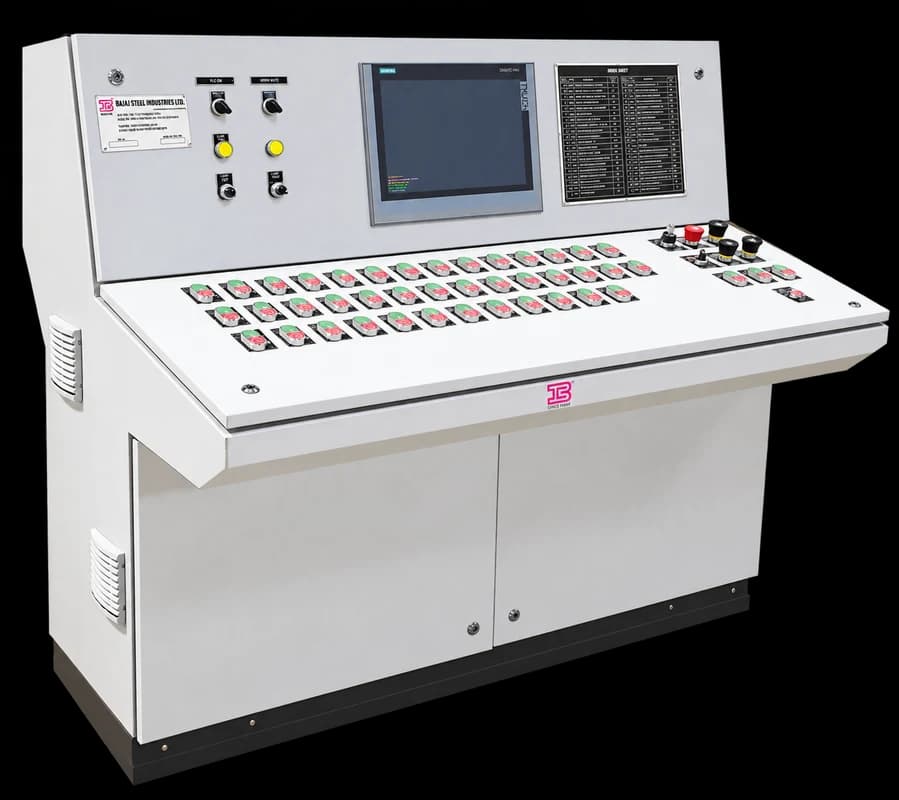
For each network connection, specify the protocol, devices, addressing responsibility and information to be exchanged. A shared connector type does not establish compatible communication. Identify any HMI, supervisory system or remote I/O requirements and the agreed access arrangements. Backups, user roles and maintenance access should be planned with the site team.
A two-pump duty/standby example
A brief saying “automatic control for two pumps” leaves several decisions open. Does duty rotate after each run or on a schedule? What starts the standby pump? Can both run together? What happens when the level sensor fails? Define these behaviours along with manual controls and the pump protection interfaces.
The I/O schedule then follows the sequence: start commands, running and fault feedback, level or pressure signals and any valve status. The HMI should display the conditions an operator needs to act on, with alarms that identify the affected device and required response. Reviewing this example on paper can expose missing signals before panel wiring and programming begin.
Enclosure, software and acceptance deliverables
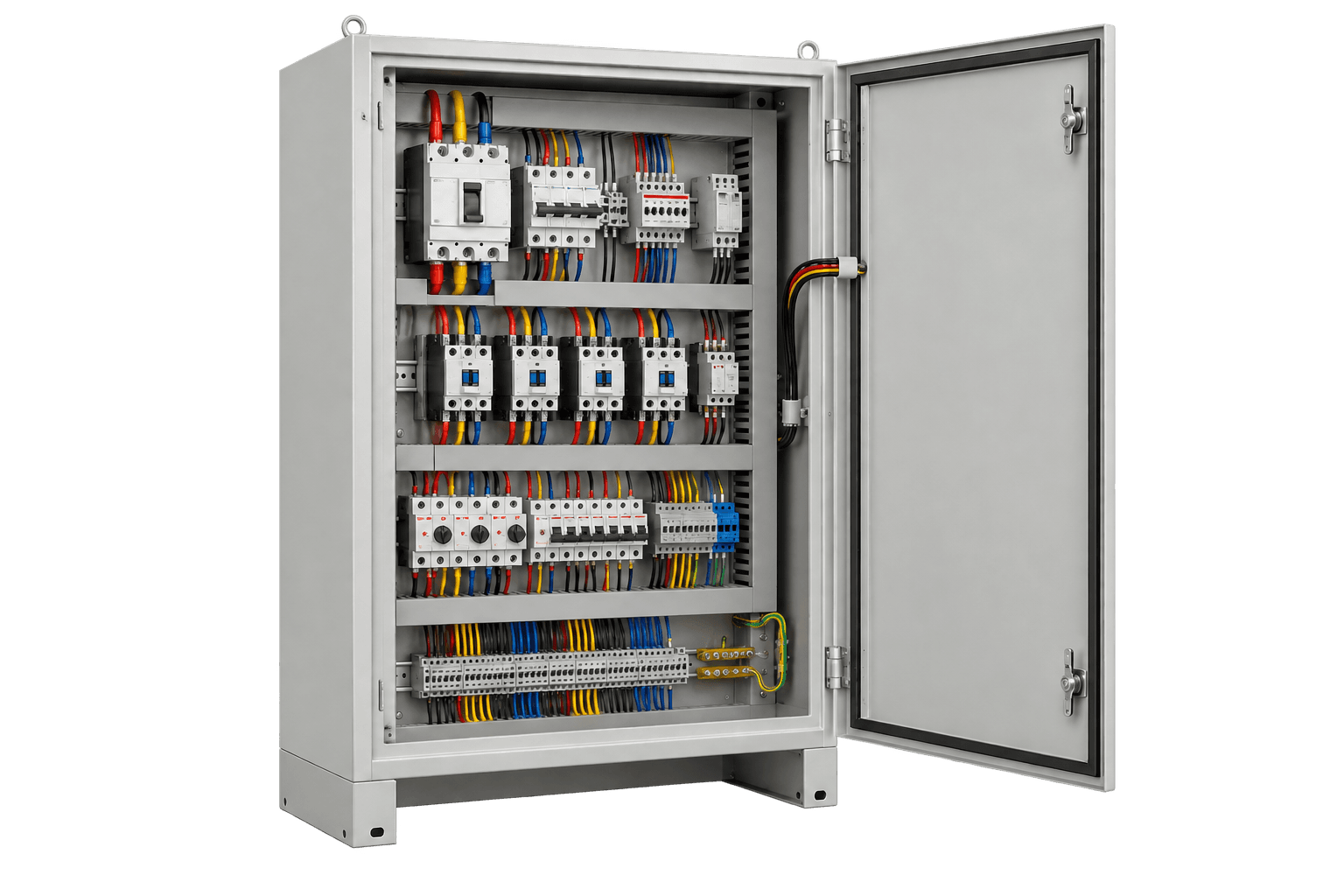
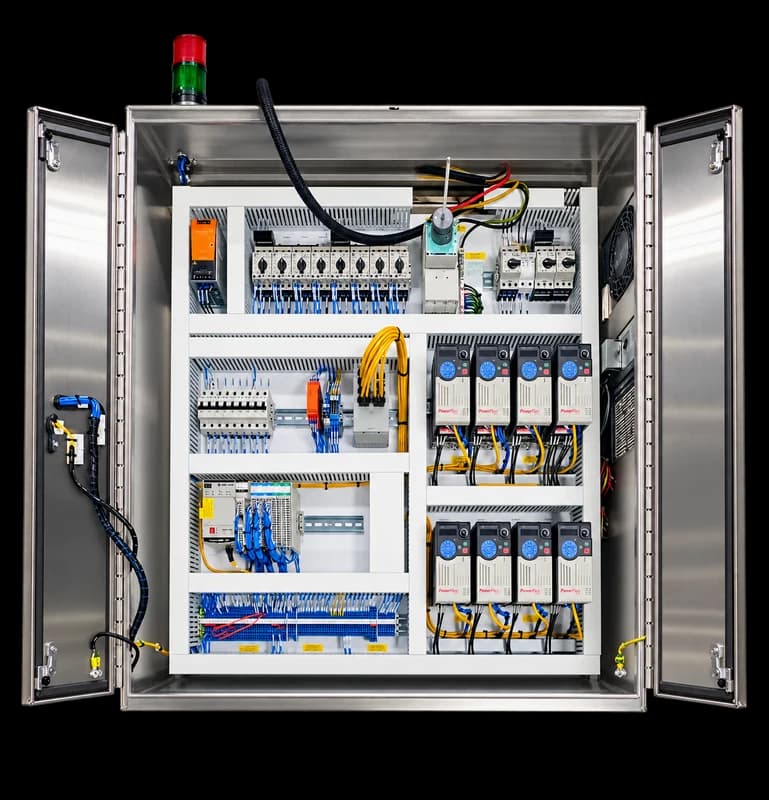
Tirupati Power Enterprises lists PLC-based control panels in its custom panel range. Send the process brief and field-device information to define the required assembly. Confirm whether programming, HMI configuration, site integration and commissioning are included in the particular quotation. These scopes need explicit agreement alongside the panel hardware.
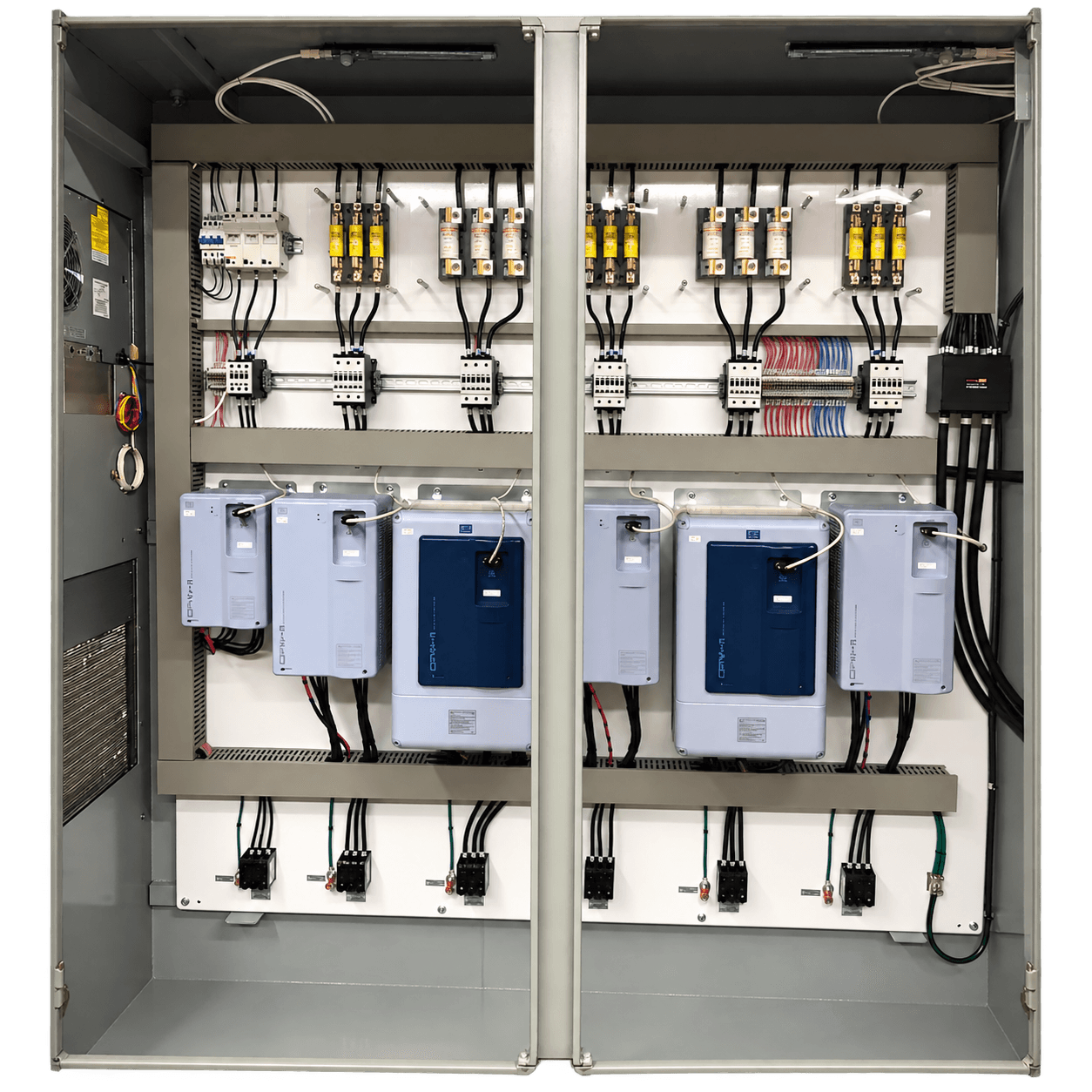
The enclosure specification should address incoming supply, control power, heat, environment, cable entry, terminal segregation and access for maintenance. Require a reviewed wiring package and a clear terminal schedule. A neatly assembled panel can still have incomplete field interfaces if drawings and responsibilities were never settled.
Agree factory acceptance tests using an approved sequence and simulated signals where suitable. Site acceptance should cover the actual field devices, machine interlocks and operating conditions under qualified supervision. The handover should include final drawings, device references, program and parameter backups, software requirements and the agreed operating instructions. Test procedures and pass criteria must suit the application.
- Process narrative, operating modes, equipment list and tagged I/O schedule.
- Field-device datasheets, motor/drive interfaces, network details and HMI requirements.
- Safety-system boundaries, power-loss behaviour, alarms and reset rules.
- Panel conditions, spare capacity, software deliverables and factory/site acceptance responsibilities.
Related products and buying guidance
Sources and further reading
Frequently asked questions
How many spare PLC inputs and outputs should I specify?
Set the allowance from known expansion plans, module structure and the project requirement. There is no universal spare percentage suitable for every panel.
Can an ordinary PLC perform emergency-stop functions?
Do not assume it can. Required safety functions need a suitable risk-based design, equipment and validation, which may use safety relays or an appropriately engineered safety PLC system.
Is PLC programming automatically included with panel supply?
The quotation must state the programming, HMI, integration and commissioning scope. Listing a PLC panel does not define every software or site service.
Specify your requirement
Send the rating, make, quantity and delivery location. Attach the drawing or datasheet where available.
Request a quote