Choose the drive from the complete duty
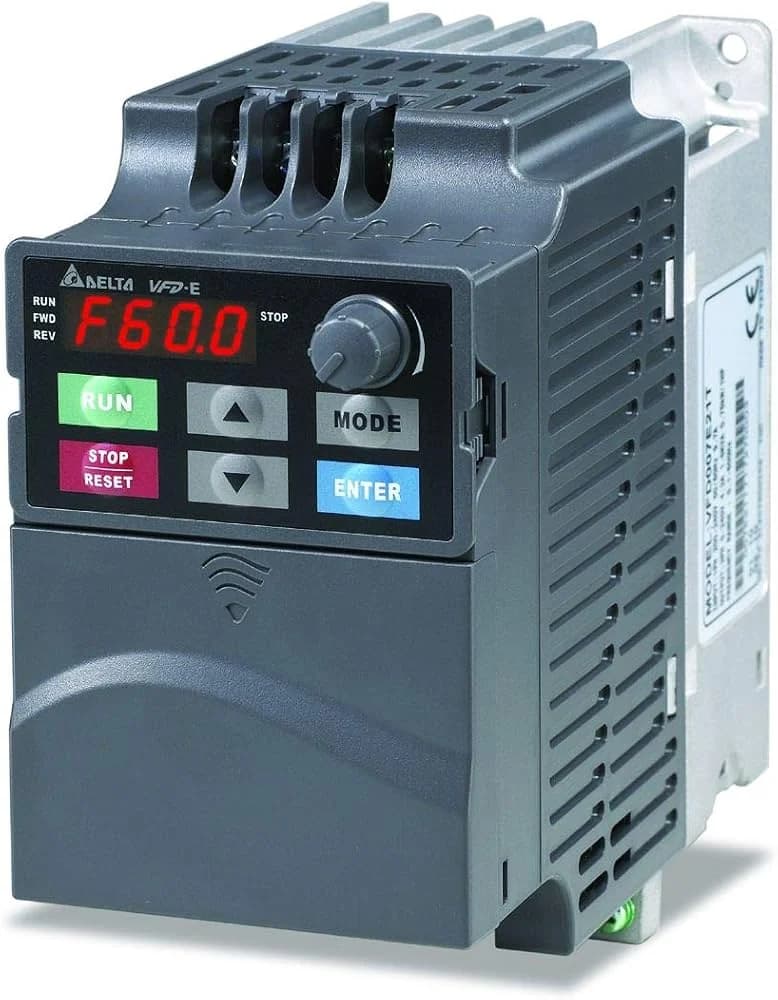
VFD stands for variable-frequency drive. It changes the frequency and voltage supplied to a compatible motor so that speed and torque can be controlled. Select a drive for the motor type, voltage and rated current, then check the load profile, required overload capability and installation conditions. Matching the kW label is only an initial screening step.
A common AC drive rectifies the incoming supply to a DC link and uses an inverter to create a controlled motor output. Its output waveform and input behaviour create requirements that differ from direct mains operation. Motor compatibility, electromagnetic compatibility and supply power quality should form part of the panel design.
Read the motor nameplate and load profile
Provide the motor rated voltage, current, frequency, speed and connection, together with the motor type. Induction and permanent-magnet motors need compatible control functions. Existing motors may need an insulation and cooling review for drive operation, particularly where the required speed range differs significantly from their previous duty.
Torque demand influences the selection. A centrifugal fan or pump can have a different speed-and-torque profile from a conveyor, mixer or other load requiring substantial torque at lower speed. Starting torque, acceleration time and temporary overload must fit the selected drive duty. The manufacturer may publish different current ratings for different duty classes; specify the applicable one.
Check stopping, braking and motor cooling
Rapid deceleration or an overhauling load can return energy to the drive DC link. The required braking method may involve a resistor and suitable braking equipment, regeneration or a different stopping strategy. These provisions depend on the drive and application. State the stopping requirement so that the quotation identifies the relevant equipment and thermal duty.
A motor with a shaft-mounted fan can have reduced cooling at low speed. Continuous operation at low speed and substantial torque may require separate cooling or a motor selected for the duty. Mechanical speed limits, process constraints and any prohibited operating regions also need review. A wide drive frequency range does not prove that the motor and machine can use it safely.
Integrate the power and control interfaces
Specify incoming supply details, protection and isolation, motor cable length and routing, earthing and the required enclosure. Cable length and motor characteristics can affect whether output filtering is needed. Reactors and harmonic mitigation should be selected from a supply assessment and manufacturer guidance, rather than automatically added or omitted from every drive enquiry.
Identify how speed references and start commands reach the drive: local controls, analogue signals, a PLC network or a combination. Confirm the protocol and interface details instead of stating only that communications are required. Define behaviour on communication loss and power restoration, including whether automatic restart is permitted. Required safety functions need a separate machine or process safety design.
A conveyor replacement example
An existing conveyor drive may be replaced with another unit carrying the same kW label, yet have inadequate overload duty or different control terminals. The replacement brief should include loaded starting, acceleration, operating speed range and any encoder feedback. Record the existing parameters and circuit drawing before reviewing a replacement reference.
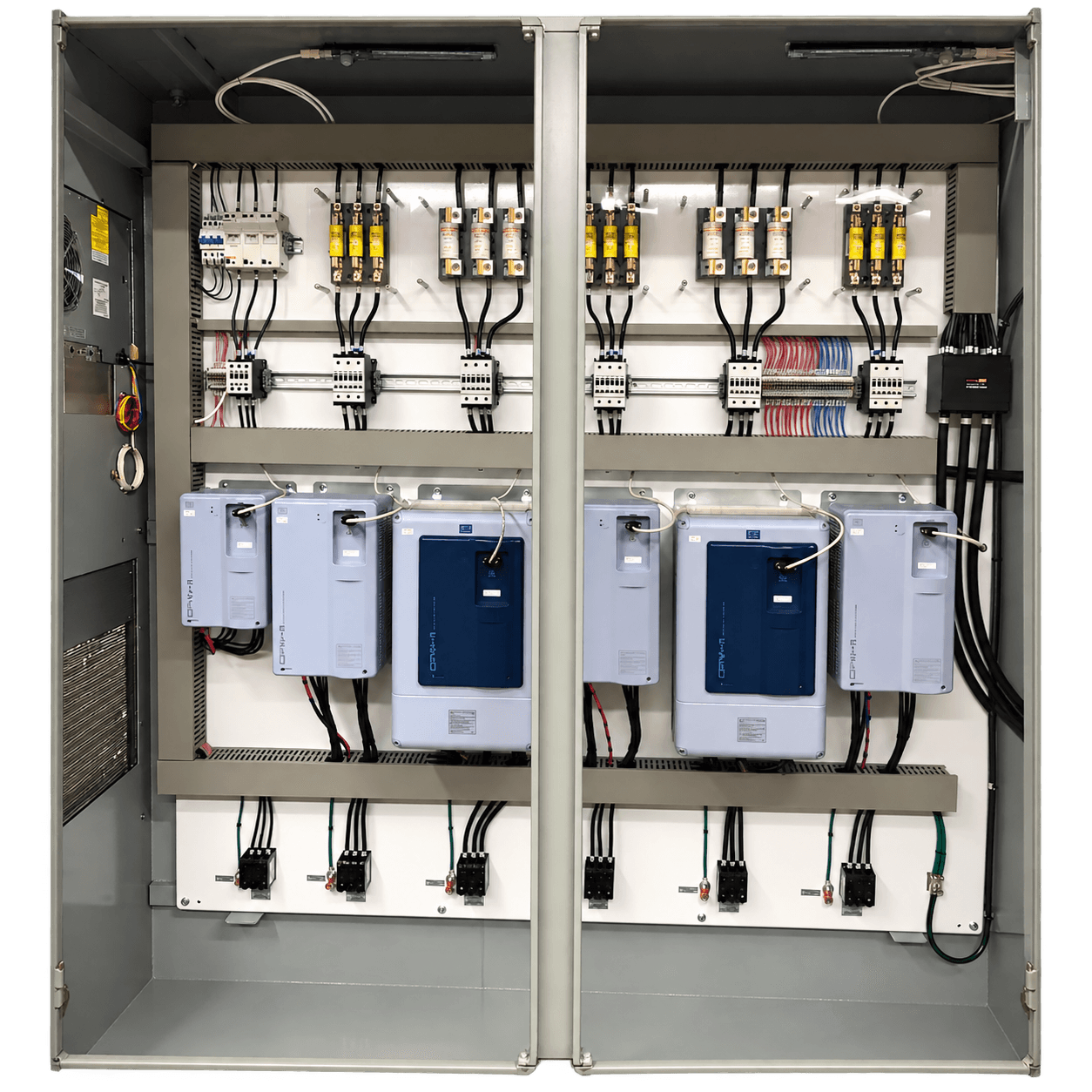
The operating environment can change the result too. A drive mounted inside a warm cabinet needs a cooling calculation and the manufacturer clearances. Dust, humidity, altitude and enclosure protection may require derating or a different arrangement. Comparing quoted devices at their catalogue reference conditions can hide these differences.
For maintenance, preserve the approved parameter record and firmware or software information needed to restore the installation. A spare drive is useful only when its hardware and configuration can reproduce the required interfaces and operating behaviour. Record approved changes after commissioning.
Drive panel quotation and commissioning scope
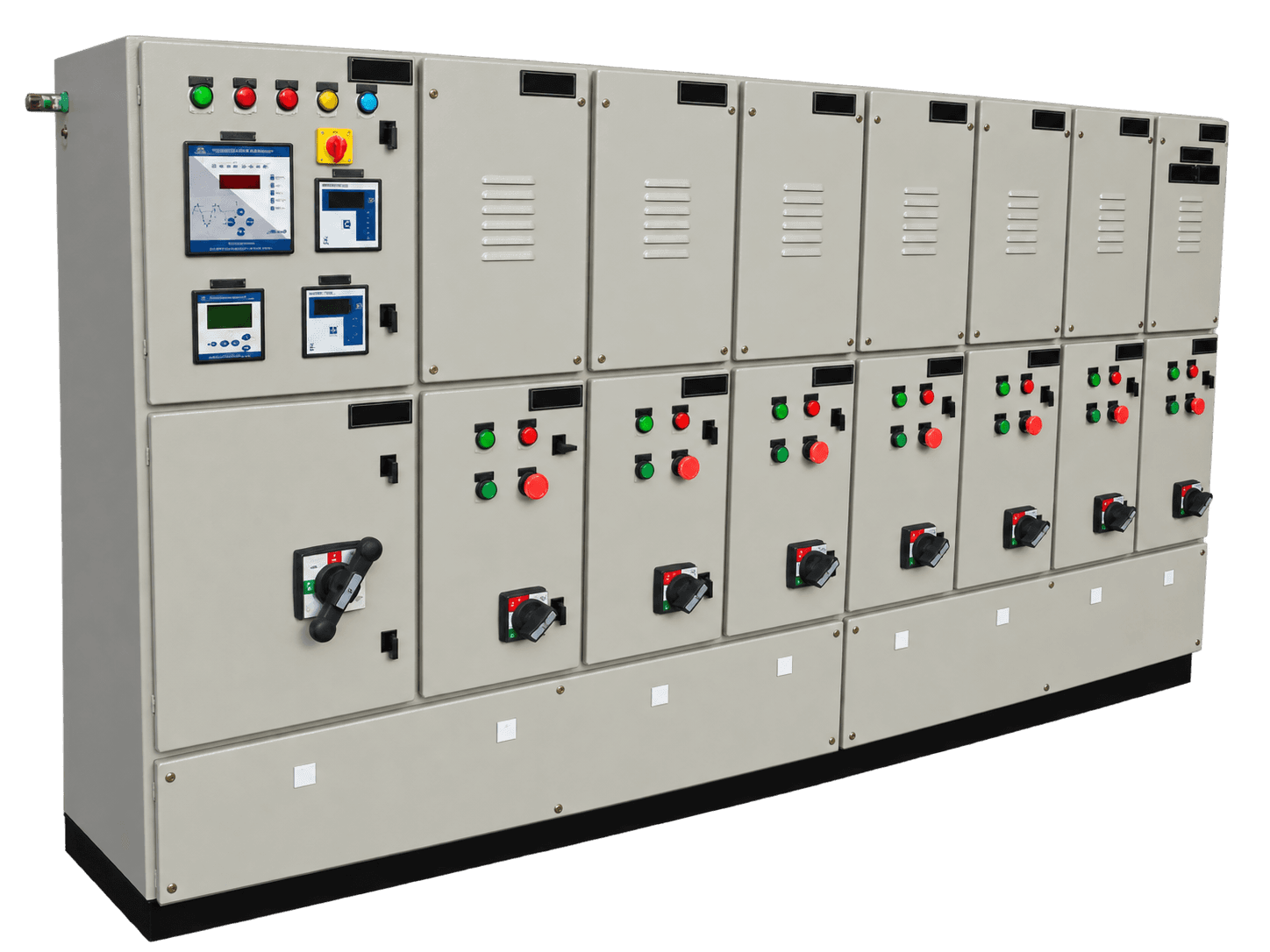
Tirupati Power Enterprises lists AC and DC drive control panels. Specify whether the requirement is an AC VFD panel, a DC drive panel or a replacement device, as their motor interfaces differ. Supply the motor and process information with the single-line diagram, and ask for included protection, control equipment and cooling provisions to be identified.
Qualified commissioning personnel should configure the drive from the motor data and approved operating requirement, then verify the controlled start, speed commands, stopping behaviour, alarms and interlocks. Motor identification routines and parameter changes must follow the selected manual and safe site procedure. Factory checks cannot establish the final driven-load performance; define the site acceptance scope separately.
- Motor nameplate and type, rated current, voltage, connection and existing drive reference.
- Torque profile, speed range, acceleration/deceleration, overload duty and braking requirements.
- Supply arrangement, motor cable details, ambient conditions and enclosure constraints.
- PLC/field interfaces, safety requirements, restart behaviour, drawings and parameter backup requirements.
Related products and buying guidance
Compare motor starting methods
PLC panel specification checklist
Sources and further reading
Frequently asked questions
Can I choose a VFD using motor kW alone?
No. Rated motor current, overload duty, motor type and installation derating can change the required selection even where kW ratings match.
Can a VFD be fitted to an existing motor?
It may be possible after reviewing motor insulation, cooling, speed limits, cable length and the application. Compatibility should be confirmed for the actual motor and drive.
Does a VFD always save energy?
The result depends on the load and operating strategy. Variable-demand fan and pump applications may benefit from speed control, but savings require an application assessment.
Specify your requirement
Send the rating, make, quantity and delivery location. Attach the drawing or datasheet where available.
Request a quote