Start with what the contactor must switch
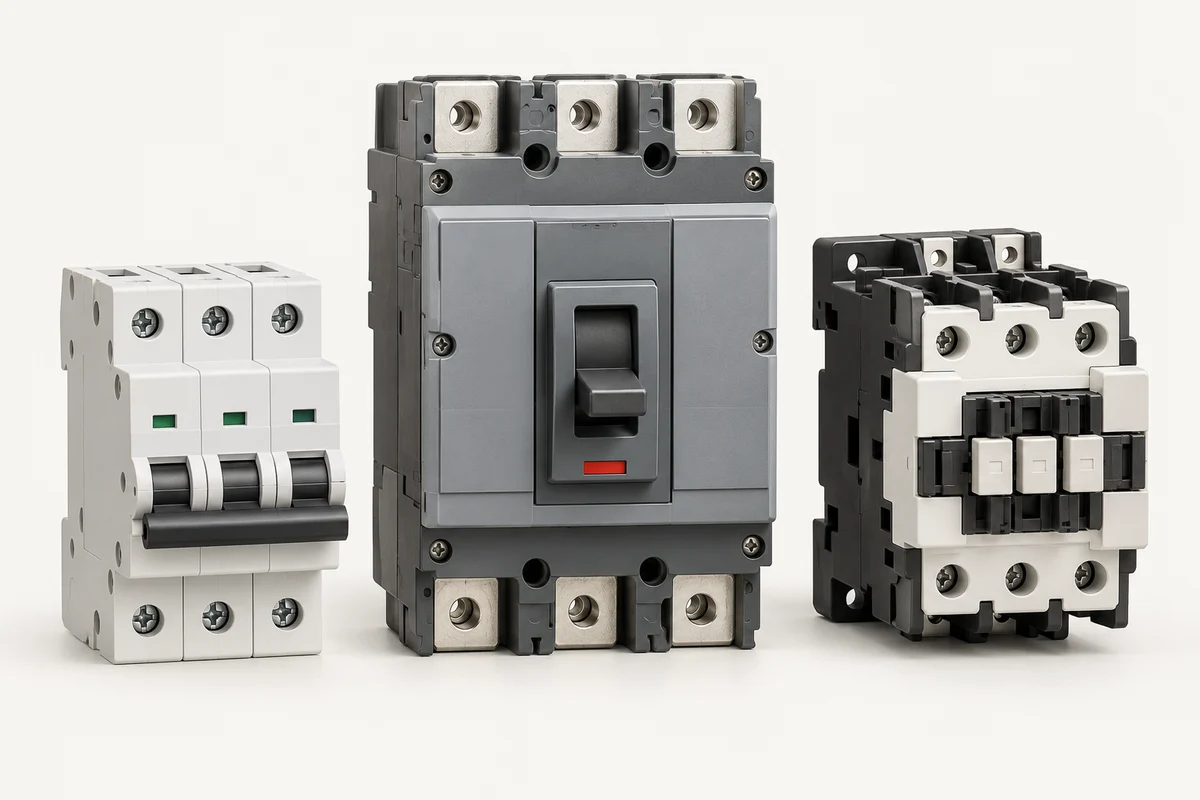
A contactor is an electrically operated switch used to connect and disconnect a load through a control circuit. Select it for the load type, utilisation category, operating voltage, current and switching duty, then specify the coil and auxiliary contacts. A general ampere rating does not describe every load the contactor can switch.
The coil energises an electromagnetic mechanism that closes the main contacts. In a conventional non-latching design, removal of coil power allows the contacts to open. The contactor provides switching; a properly coordinated protective arrangement provides short-circuit and overload protection. A contactor alone should not be treated as a complete motor starter or as the required means of safe isolation.
Read the utilisation category
Utilisation categories describe defined switching duties. AC-1 applies to non-inductive or slightly inductive loads; AC-3 commonly covers starting squirrel-cage motors and switching them off while running. More demanding motor duties, including inching or plugging, require assessment under the relevant category and manufacturer data. A higher resistive-load current rating is not interchangeable with the motor-duty rating.
Capacitor banks create a different switching duty with potentially high inrush currents. Use a capacitor-duty contactor or another arrangement approved for the bank, and follow the manufacturer requirements for damping and permissible operation. Lighting loads also need attention to lamp or driver inrush and the actual load technology. State the application in the enquiry even when a current value is known.
Separate main-circuit voltage from coil voltage
The main contacts switch the power circuit, while the coil belongs to the control circuit. These circuits may operate at different voltages. Specify the coil supply voltage, AC or DC operation and frequency where applicable. A contactor with correct main-circuit ratings can still be unsuitable if the coil is wrong for the panel controls.
Check how the coil is driven. A PLC output or electronic relay may need an interposing relay, appropriate suppression or a coil interface chosen to suit its output capacity. Suppression can affect release behaviour, so follow the manufacturer guidance and the machine control requirements. Avoid assuming that a replacement coil or suppression module is compatible across series.
Match operating duty and protective devices
Frequent starts, long acceleration, reversing and jogging change the required duty. Use the manufacturer operating-frequency and electrical-life information for the intended application. Ambient temperature, enclosure heat and altitude may require derating. Motor kW tables are useful only at their stated voltage and duty; the motor nameplate current and actual operating conditions remain necessary inputs.
The overload relay must suit the motor current, starting time and required protection features. The short-circuit protective device and contactor combination must meet the specified coordination requirement. Manufacturer-tested tables identify suitable combinations and their conditions. Contactors in a star-delta arrangement may carry different currents depending on their circuit position, so select them from the approved scheme.
A reversing conveyor example
A conveyor that runs continuously in one direction has a different switching requirement from one that is repeatedly jogged or reversed. For the latter, ask the engineer to specify duty, stopping behaviour and reversal interlocks. Mechanical and electrical interlocking may be required to prevent opposing contactors closing together. A pair chosen only from the running current can miss these requirements.
For a replacement, record the existing device reference, coil marking and auxiliary contact arrangement. Confirm the mechanical interlock, overload mounting and available panel space. Photographs help identify parts, but the circuit drawing establishes how they are used. Review the reason for failure before fitting a new part, particularly where contacts show heat damage or the coil repeatedly drops out.
Send a complete contactor requirement
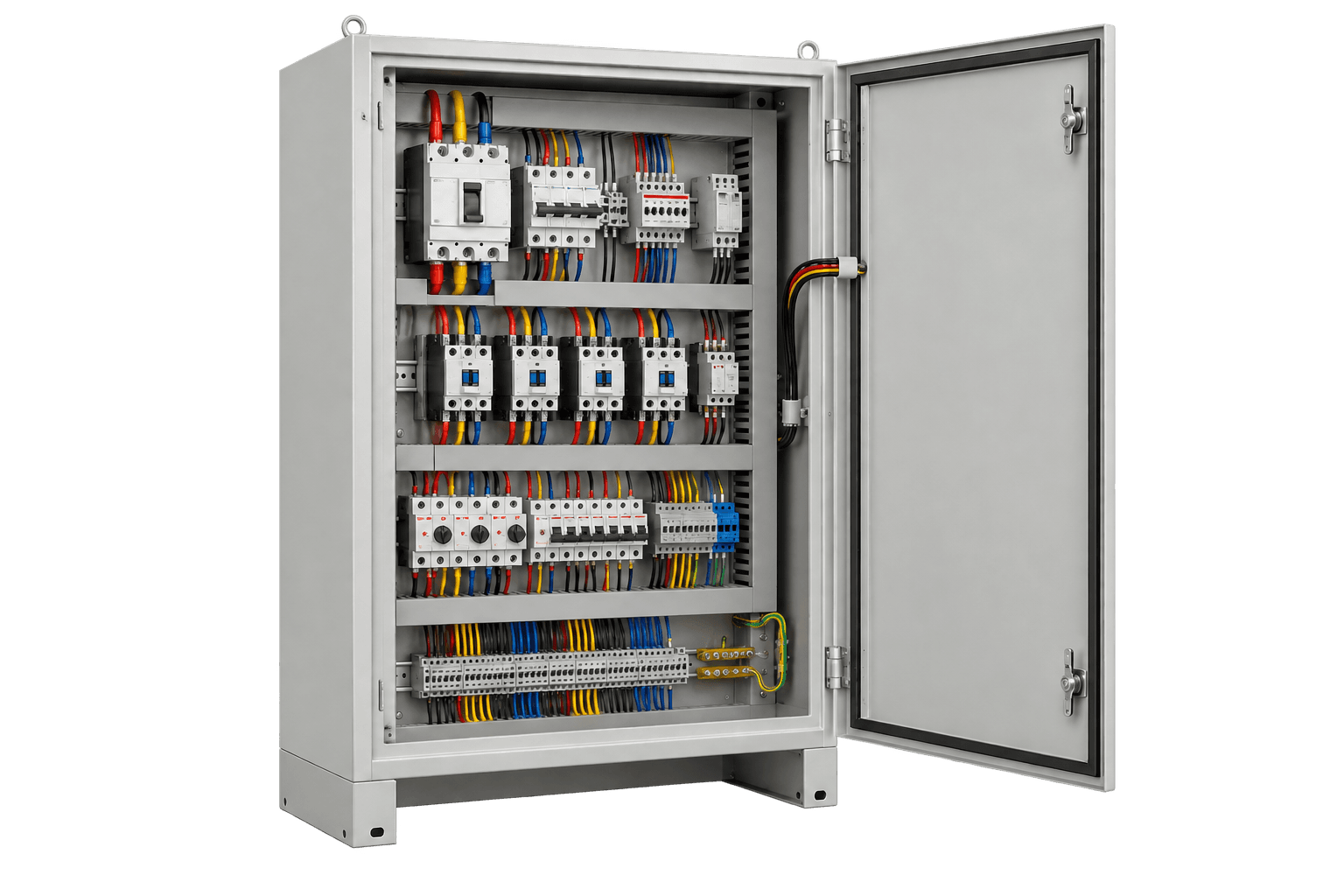
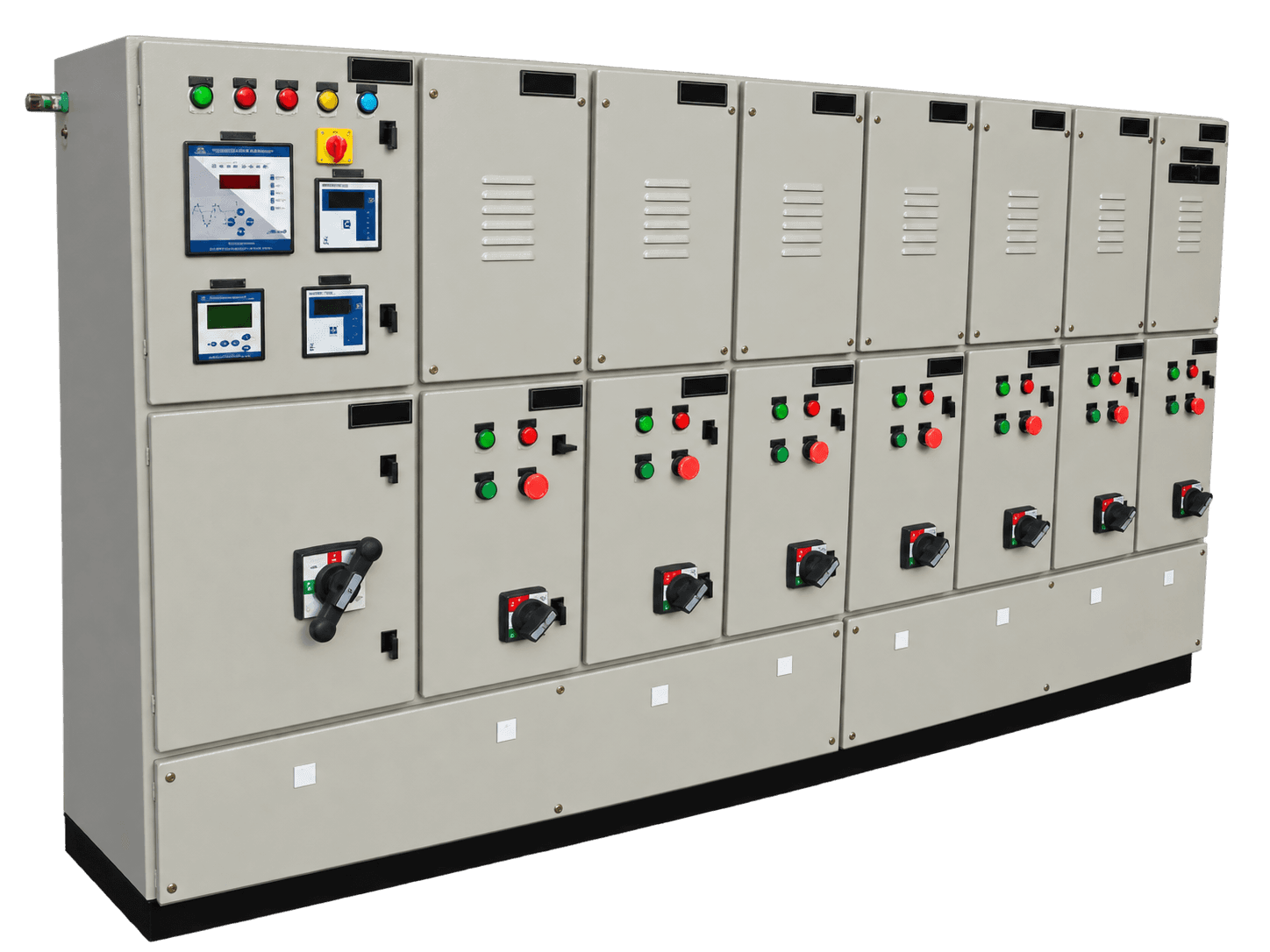
Tirupati Power Enterprises lists contactors, overload relays and motor starter equipment alongside custom motor control panels. Include the control requirement and the load duty when requesting these items together. If an equivalent is acceptable, define the electrical and mechanical requirements it must retain so that a substitute can be reviewed properly.
Qualified installation and commissioning personnel should check wiring, coil supply, terminal tightening, overload settings and interlock function against the approved drawings and device instructions. Tests involving the load need the agreed machine procedure and safe operating conditions. Record the final device references and circuit changes for future maintenance.
- Load type, motor nameplate where relevant, voltage, current and utilisation category.
- Starting method, starts or operations per duty period, jogging or reversing requirements.
- Coil voltage, AC/DC supply, control interface and required NO/NC auxiliary contacts.
- Protective-device combination, interlocks, environment, mounting and exact replacement references.
Related products and buying guidance
Compare motor starting methods
Sources and further reading
Frequently asked questions
Is a contactor the same as an overload relay?
No. The contactor switches the circuit. The overload relay detects the specified overload condition and acts through the control circuit to stop the motor.
Can a motor contactor switch an APFC capacitor stage?
Only if the manufacturer approves it for the capacitor-switching duty and the circuit meets the stated conditions. A motor rating alone is insufficient.
Why does the coil voltage matter?
The coil must match the control supply and interface. An incorrect voltage or AC/DC type can prevent operation or damage the coil.
Specify your requirement
Send the rating, make, quantity and delivery location. Attach the drawing or datasheet where available.
Request a quote