What the BDV result means
A transformer oil breakdown-voltage test measures the voltage at which an oil sample breaks down electrically under a specified laboratory method. It is commonly abbreviated BDV. The result depends on the test method, electrode geometry and gap, sample condition and test sequence. A numerical result without those details is incomplete evidence for assessing an insulating liquid.
BDV helps evaluate the sample’s dielectric withstand behaviour. Moisture, particles and handling contamination can reduce the result. The test does not by itself describe the complete condition of a transformer or its oil. Dissolved-gas analysis, moisture measurement, acidity and other tests address different condition questions and may be required by the maintenance programme.
The method defines the measurement
IEC 60156 and ASTM oil-test methods use specified procedures; their arrangements must not be treated as interchangeable. A purchaser should identify the required standard and edition, fluid type, electrode arrangement, sample temperature recording and reporting needs. The selected test set must support that method in its supplied configuration, including the vessel and accessories.
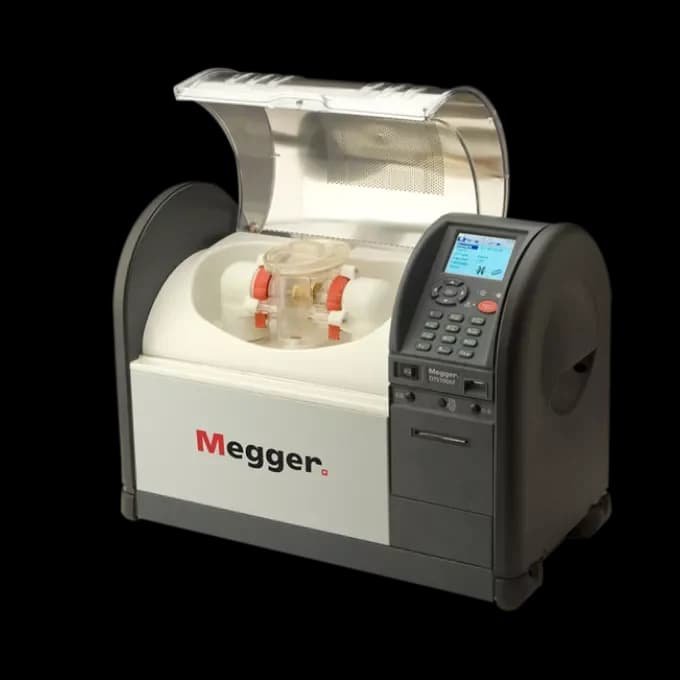
Megger’s OTS PB and OTS AF documentation explains how vessel preparation, electrode gap and sample handling affect results. It also distinguishes instrument configurations and supported liquids. A maximum output figure alone does not establish method compliance. Ask the supplier to confirm the automatic sequence, required pauses or stirring arrangements and the report fields for the selected method.
A sample can change before it reaches the vessel
Sampling and transport can introduce water, dirt or air that changes the result. The authorised sampling procedure should specify suitable containers, identification and handling. Laboratory staff need the transformer identity, sampling point, date, operating context and fluid type. The equipment manufacturer’s sampling restrictions must be respected, especially where pressure conditions or hazardous materials require special controls.
A sample from a correctly maintained asset may produce a poor result after contamination during collection or storage. Conversely, a satisfactory sample result cannot guarantee that the whole transformer insulation system is healthy. Keep traceability from the asset to the report and investigate unexplained changes rather than deciding that a new reading automatically represents a change in the transformer.
Compare samples on a consistent basis
For example, two reports might show different breakdown voltages for oil associated with the same transformer. If one uses IEC 60156 and the other uses a different electrode arrangement or method, the difference is not a clean maintenance trend. A useful comparison starts with equivalent methods and documented sample conditions, then considers the equipment manufacturer’s criteria.
New oil can also fail a breakdown test after handling or storage has introduced contamination. Megger discusses this possibility in its oil-test guidance. Buying new liquid does not remove the need for the project’s specified receipt, handling and test requirements. Neither a single delivery result nor a single maintenance result supplies a universal pass value for every oil-filled asset.
Buying a test set or buying oil
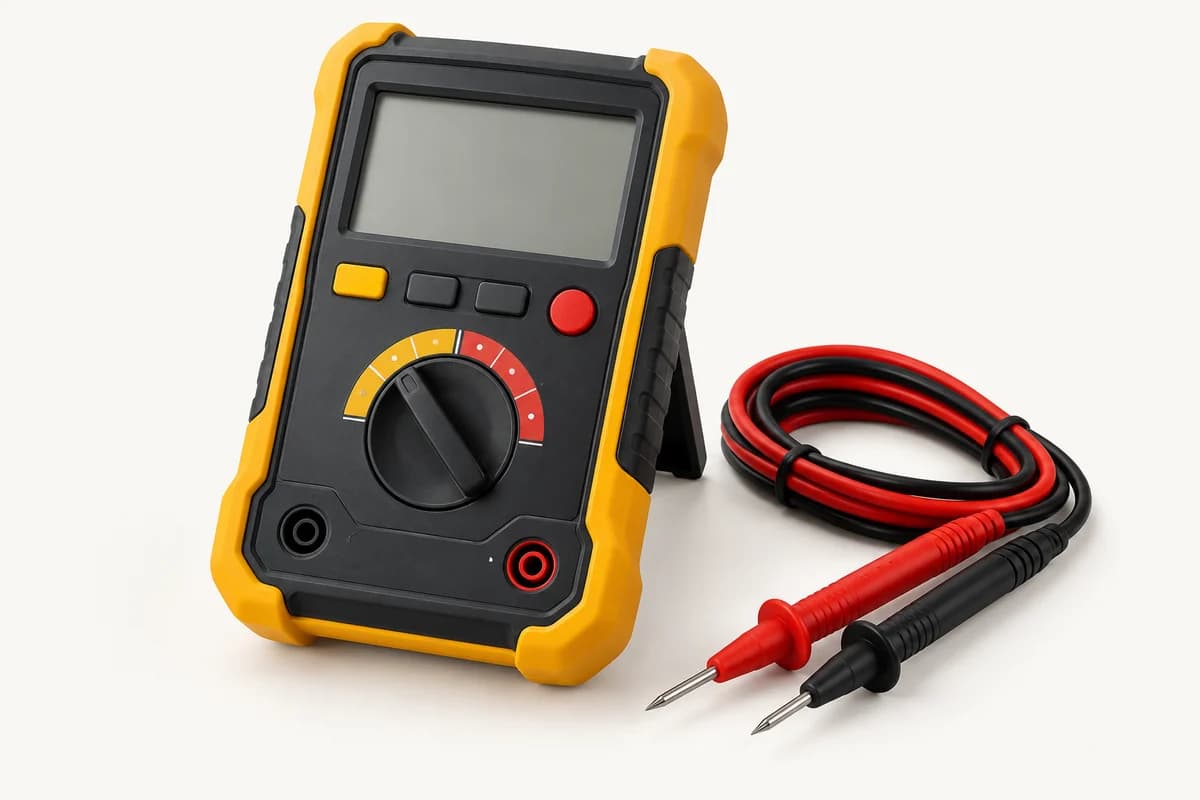
For a BDV instrument, compare supported standards, output capability, interlocks, vessel materials, electrode sets, gap gauges, temperature measurement and test-record storage. Consider portability and sample throughput. A field team moving between sites and a laboratory processing many samples may need different layouts, power arrangements and record handling. Request the full kit list and calibration-document scope.
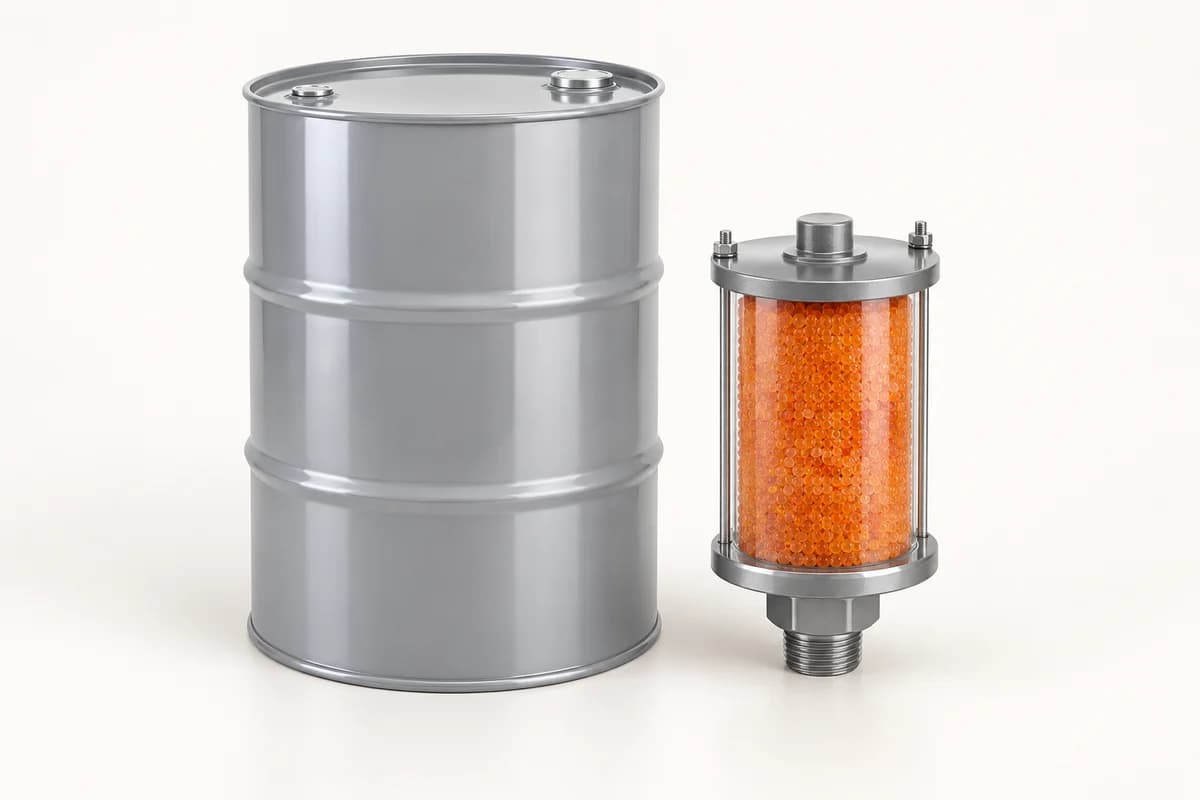
For transformer oil, identify the existing fluid and the equipment manufacturer’s approved specification. Shell’s Diala range contains different transformer-liquid products, including GTL-based liquids; the range name alone is not a complete material specification. Compatibility, inhibitor requirements and the applicable product data sheet must be reviewed before replenishment or replacement. Mixing unknown fluids requires an engineering decision.
Send the asset and method details
TPE supplies transformer oil and lists automatic and manual oil-insulation test sets. For an instrument enquiry, provide fluid types, standard and edition, expected test workload, reporting requirements, preferred model, quantity and accessory needs. For an oil enquiry, provide the asset manufacturer, approved grade, existing fluid information, required volume and project documentation requirements. Keep the two specifications distinct in a mixed BOQ.
Oil testing combines high-voltage equipment with liquid handling. Competent personnel must follow the test-set manual, laboratory procedure and authorised sampling plan. This guide does not provide an energisation or sampling sequence. Acceptance decisions belong to the responsible engineer using the asset specification, complete test report and other condition evidence required for that transformer.
Related products and buying guidance
Testing and measuring equipment
Request an equipment quotation
Transformer oil and consumables
Sources and further reading
Frequently asked questions
What BDV value is acceptable for transformer oil?
The limit depends on the specified method, fluid, asset and stage of use. Apply the relevant equipment and project criteria rather than one universal number.
Does a good BDV result prove the transformer is healthy?
No. It describes the tested oil sample under the stated method. Other oil and equipment tests assess different condition risks.
Can new oil give a poor BDV result?
Yes. Contamination during handling or storage and sample preparation can affect the result. Investigate the complete sampling and test chain.
Specify your requirement
Send the rating, make, quantity and delivery location. Attach the drawing or datasheet where available.
Request a quote