Specify the role before the paper name
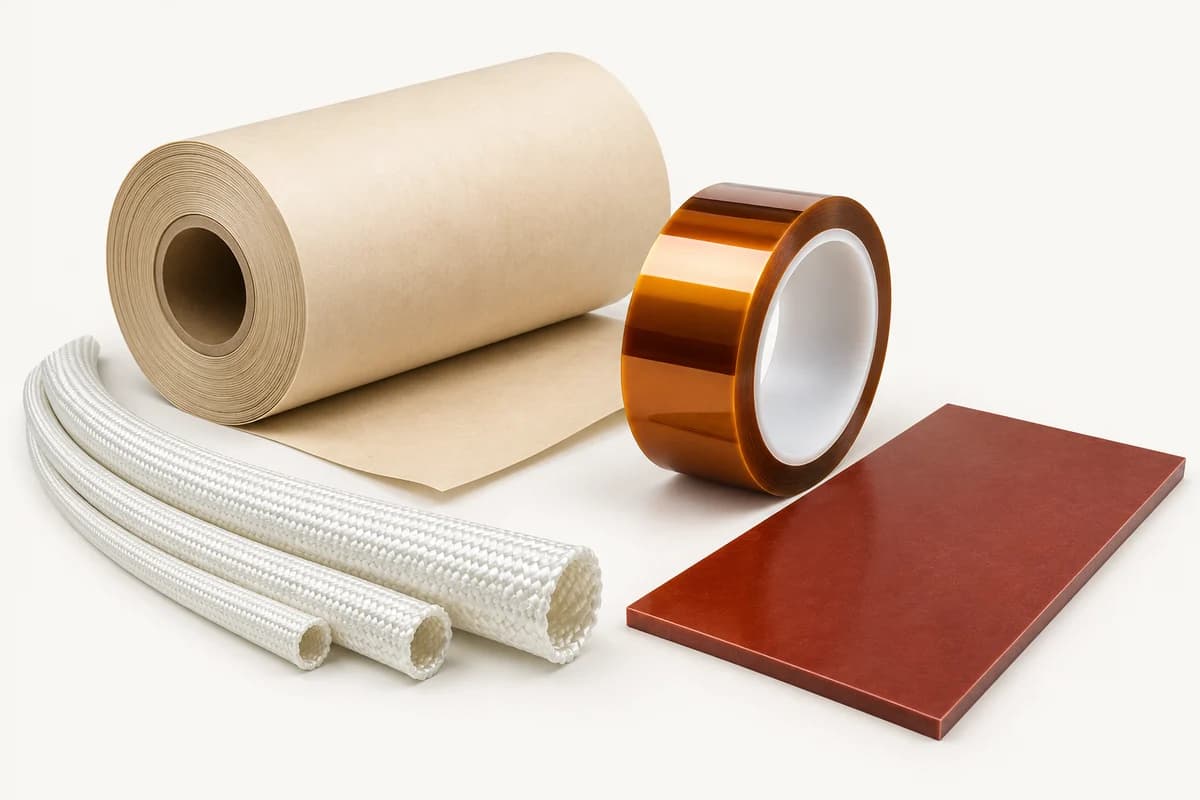
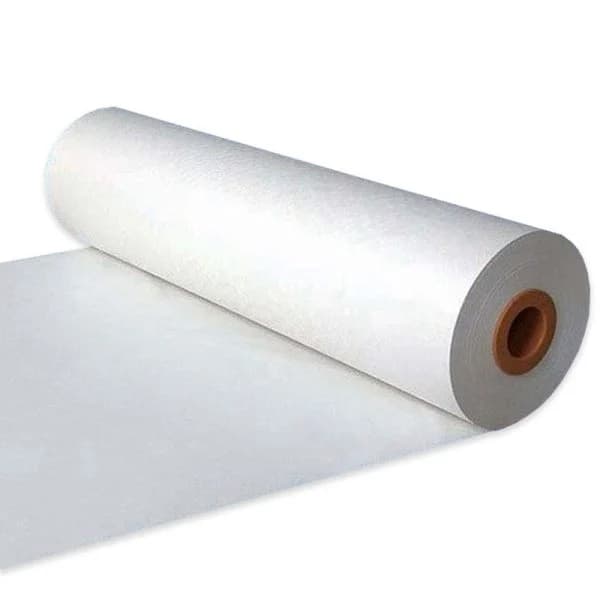
Choose electrical insulation paper by the part it insulates, its exact material grade, thickness and compatibility with the winding's insulation system. Slot liners, interlayer insulation, phase barriers and conductor coverings can have different requirements. Nomex is an aramid insulation material family; kraft paper, presspaper and film laminates are other options used in specified constructions. These names are not interchangeable purchase descriptions.
Start with the motor, transformer or coil design. Identify the required electrical, thermal and mechanical properties at that position in the assembly. A material that can be folded into a slot may still be unsuitable for the required thermal or electrical duty. Procurement should obtain the approved grade and dimensions before comparing paper prices or accepting a substitute.
Check grade and thickness together
Material properties depend on product type and thickness. DuPont's Nomex guidance expressly distinguishes grades and notes that its general property discussion does not apply identically to every paper and pressboard. Request the datasheet for the offered grade. Check the relevant dielectric, mechanical and thermal information against the design requirement rather than assigning one set of figures to everything sold as Nomex paper.
Thickness affects both the insulation barrier and the available winding space. The drawing may also specify layers, overlap, edge coverage and formed dimensions. Increasing thickness without a design check can interfere with conductor placement or assembly. Reducing it to make the winding fit can change the insulation arrangement. Keep the specified thickness tolerance and finished dimensions on the order, especially for pre-cut or formed pieces.
Review processing and service compatibility
The paper must work with the other materials in the winding. Check the impregnation varnish or resin, any adhesive, conductor insulation and operating environment. Oil-filled equipment introduces a different material and processing context from a dry motor winding. Nomex's published chemical-compatibility information is useful, but the approved insulation system and specific grade still govern the final selection.
Mechanical handling also matters. Folding, forming and insertion can introduce tears, damaged edges or wrinkles if the material or tooling is unsuitable. Ask the workshop to identify the required flexibility and forming process. Moisture and cleanliness requirements should follow the material and equipment manufacturer's instructions. A short-term dielectric-strength value from a datasheet is not the permissible continuous operating voltage of the assembled winding, and it should not be multiplied by thickness to invent a universal design rating.
A motor slot-liner replacement example
For a motor rewind, the workshop identifies the original slot-liner material and the approved insulation-system requirements. The drawing specifies thickness, formed size, overlap and end projection. Procurement requests the exact grade or an engineer-reviewed equivalent. The wire's coating, phase insulation and impregnation materials are considered at the same time. Selecting a paper solely because its named thermal class appears higher can overlook fit and system compatibility.
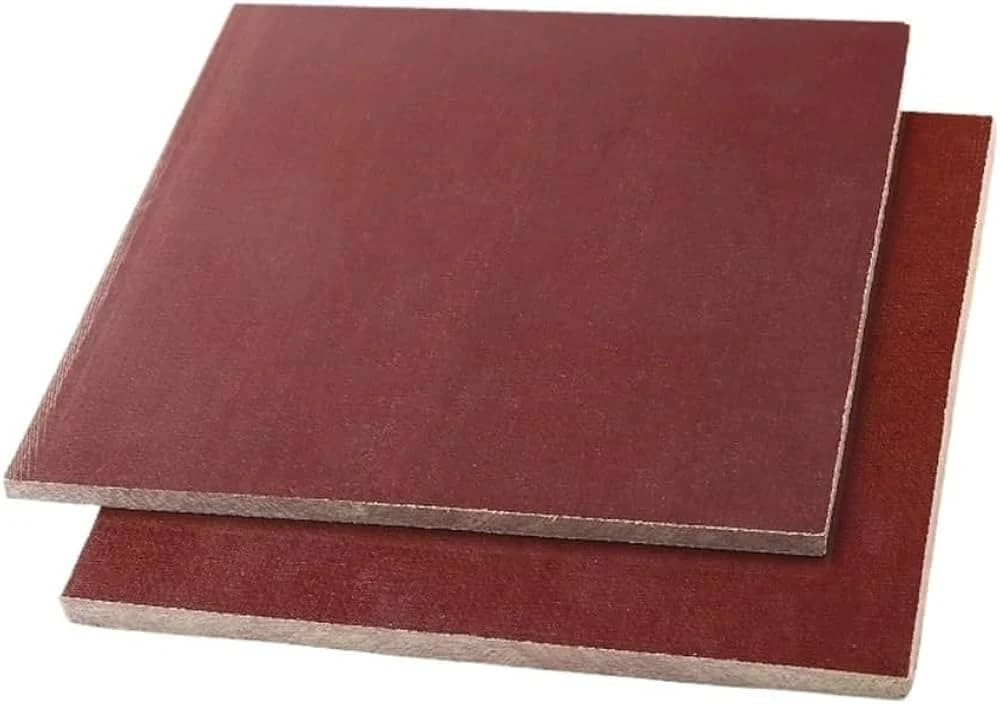
If the proposed replacement is a laminate, obtain its complete construction and grade designation. A laminate containing film and paper can have different processing and mechanical behaviour from a single paper layer. Confirm the cutting or roll format and the workshop's material acceptance checks. Keep the supplier identification and datasheet with the repair record so subsequent repairs can follow the accepted specification. This is particularly useful where workshop shorthand uses one familiar trade name for several physically different insulating materials.
Purchaser checklist and quote details
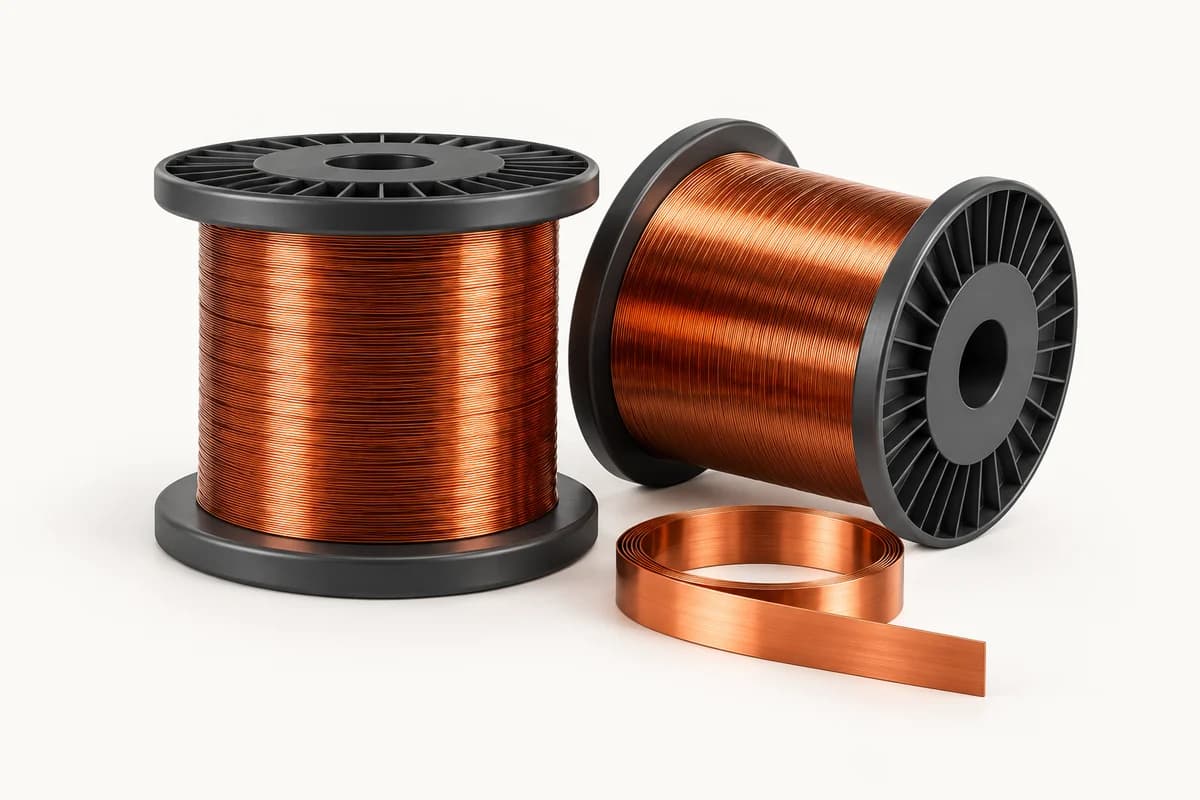
The catalogue family includes papers, films, sheets, tapes and varnishes. Specify which form the job requires rather than requesting a general insulation-paper assortment. For rolls, give width and quantity basis. For sheets or cut pieces, state length, width, thickness and any forming requirements. Ask whether cutting is included and identify any drawing-controlled dimensions. Keep genuine material identification and project documentation requirements explicit where they form part of the purchase specification.
Send Tirupati Power Enterprises the approved grade, application and dimensions with the details below. Ask the offer to identify the manufacturer, product designation and format, and request its current datasheet. Any alternative needs a review of the complete insulation arrangement before acceptance. Price, availability and delivery depend on the requested grade and supply format and must be confirmed through the enquiry.
- Equipment and insulation position, approved material grade and drawing reference.
- Thickness and tolerance, roll or sheet dimensions, quantity basis and cut-piece details.
- Required thermal and electrical properties within the complete insulation system.
- Varnish, resin or fluid compatibility, handling requirements and documentation needed.
Related products and buying guidance
Copper vs aluminium winding wire
Sources and further reading
Frequently asked questions
Is every Nomex paper grade the same?
No. Check the datasheet for the exact grade and thickness. DuPont notes that its general property guidance does not apply identically to all papers and pressboards.
Can thicker insulation paper always replace thinner paper?
Thickness changes winding space and the insulation arrangement. Obtain design approval before changing thickness or the number of layers.
Does a paper's dielectric strength give the winding voltage rating?
No. The complete construction, service conditions and design criteria determine the winding's rating. A material test value cannot be used as a universal assembly rating.
Specify your requirement
Send the rating, make, quantity and delivery location. Attach the drawing or datasheet where available.
Request a quote